

1. It lights to remind that the driver??s seat is not adjusted properly.

A. Right
B. Wrong
Answer: B
2. This sign reminds embankment road ahead.

A. Right
B. Wrong
Answer: B
3. When encountering a traffic jam on the expressway, the driver should follow the front vehicle lining up, and immediately turn on the hazard light to prevent rear-end collision.
A. Right
B. Wrong
Answer: A
4. You may not use the turn signal when you change to the right lane.
A. Right
B. Wrong
Answer: B
5. Driving and smoking has no harm on safe driving.
A. Right
B. Wrong
Answer: B
6. If a front tire blowout has caused a turn in direction, the driver should not avoid excess adjustment. Instead, he should control the direction of the vehicle, ____, and slowly reduce the speed of the vehicle.
A. Apply emergency braking
B. Use the handbrake
C. Gently depress the brake pedal
D. Swiftly depress the brake pedal
Answer: C
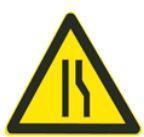
7. This sign reminds the lane or the road narrows on the right side ahead.
A. Right
B. Wrong
Answer: A
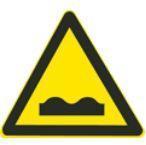
8. This sign reminds bump road ahead which may causes bump phenomenon.
A. Right
B. Wrong
Answer: A
9. When a vehicle passes a school or a residential area, the driver should observe the signs and markings, go slowly and refrain from honking.
A. Right
B. Wrong
Answer: A
10. What is this traffic sign?
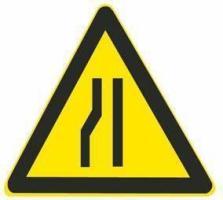
A. Road narrows on both sides
B. Road narrows on the right side
C. Road narrows on the left side
D. Bridge narrows
Answer: C
11. It lights when turning on the width light.

A. Right
B. Wrong
Answer: A
12. What does this symbol indicate?

A. switch of high beam lights
B. switch of the low beam lights
C. master switch of vehicle lights
D. the switch of tail fog light
Answer: C
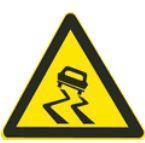
13. This sign reminds a sharp curve ahead.
A. Right
B. Wrong
Answer: B
14. When ignition switch is in the START position, the starter starts.
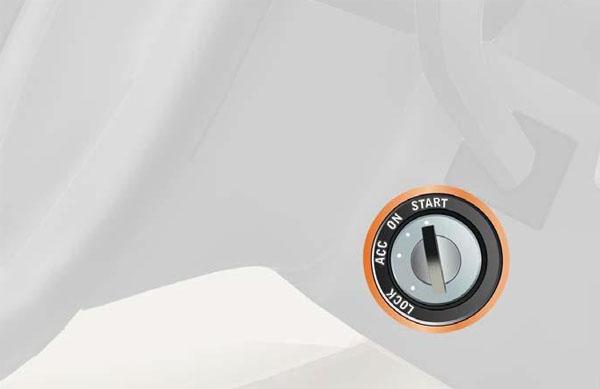
A. Right
B. Wrong
Answer: A
15. What kind of violation does the red car have while temporarily stopping here?
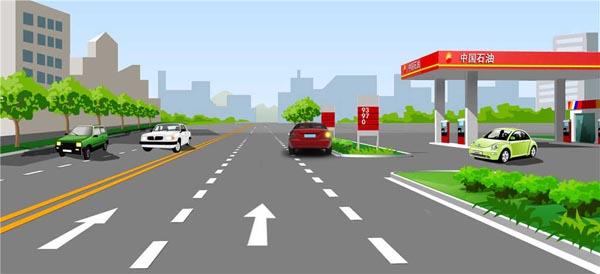
A. more than 30cm from roadside
B. stop in the section with no stopping marking
C. less than 30m from gas station
D. stop occupying the lane for non-motorized vehicles
Answer: C
16. It flashes when turning on the hazard lights.

A. Right
B. Wrong
Answer: A
17. A driver should observe the dynamic situation of the rear side vehicles before driving into the traffic flow from other road.
A. Right
B. Wrong
Answer: A
18. It lights to remind that the driver has not buckled up.

A. Right
B. Wrong
Answer: A
19. Whats the meaning of this sign?

A. running by right side
B. no going straight
C. straight one-way road
D. yield if going to go straight
Answer: C
20. A motorized vehicle driver who escapes or commits other extremely serious acts after causing a major accident in violation of the traffic regulations is subject to a prison term of more than 7 years.
A. Right
B. Wrong
Answer: B