

1. When this signal is constantly flashing, how should a driver react?
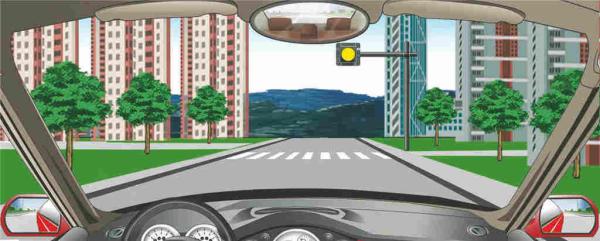
A. Speed up as soon as possible
B. Pull over and wait
C. Observe the traffic situation around to make sure of safe driving
D. Refrain from passing
Answer: C
2. When a motor vehicle accidentally hits the guardrail of a highway, an effective protective measure is to turn dramatically in the opposite direction.
A. Right
B. Wrong
Answer: B
3. A correct measure to avoid tire burst of motor vehicles is to lower the tire pressure.
A. Right
B. Wrong
Answer: B
4. When there is a sudden braking failure on the road, what should be done by the driver?
A. Firmly holding the steering wheel and controlling the direction
B. Immediately changing to a low gear to reduce speed
C. Using the stopping brake to reduce speed
D. Turning on the hazard lamps
Answer: ABCD
5. The sign on the right indicates a bypass flow intersection ahead.
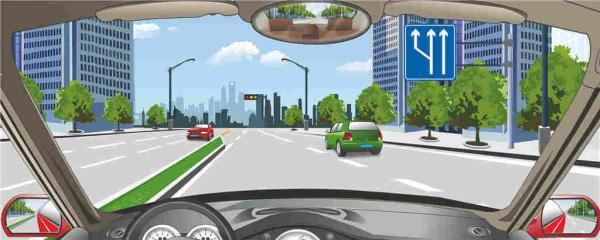
A. Right
B. Wrong
Answer: B
6. What should be done by the driver who intends to overtake but the motor vehicle in front neither reduces its speed nor allows the right of way?
A. Continuously sounding the horn and accelerating to overtake
B. Accelerating and continuing to overtake
C. Refraining from overtaking
D. Following the vehicle in front closely and finding a chance to overtake
Answer: C
7. When approaching the turning point of a road, in which of the following ways will motor vehicle drivers easily cause a traffic accident?
A. Driving ahead by occupying the opposite lane
B. Turning the steering wheel quickly when passing through the curve
C. Not reducing speed until driving onto the curve
D. Driving by the right side
Answer: ABC
8. How should the driver use vehicle lights when the motor vehicle leaves a roundabout?
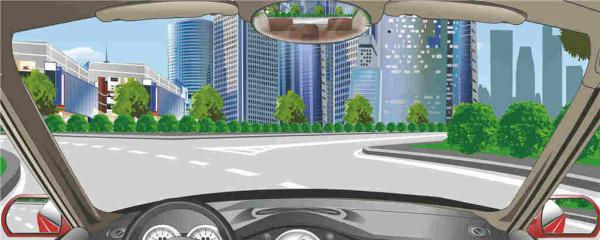
A. Turn on the left-turn indicator
B. Turn on the hazard lamps
C. No need to turn on any indicators
D. Turn on the right-turn indicator
Answer: D
9. When a motor vehicle encounters an accident on an expressway, the driver and all passengers should not get off the vehicle and walk around at will.
A. Right
B. Wrong
Answer: B
10. The road marker indicates that vehicles are not allowed to make a U-turn at the intersection ahead.
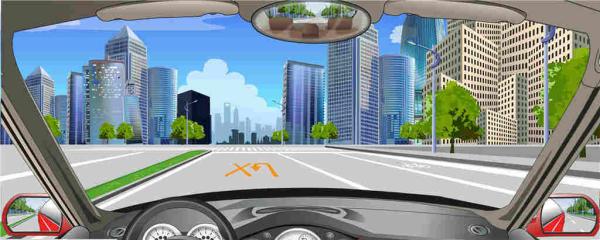
A. Right
B. Wrong
Answer: A
11. The sign on the right indicates left turn only at the intersection ahead.
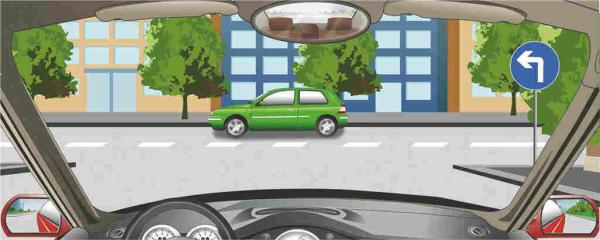
A. Right
B. Wrong
Answer: A
12. When encountering a road like this, motor vehicle drivers may make good use of neutral gear to coast.
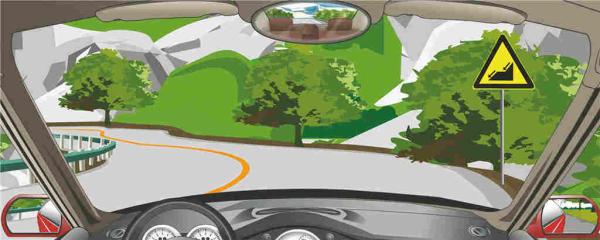
A. Right
B. Wrong
Answer: B
13. The guide arrow on the road surface of this lane indicates that drivers are only permitted to continue straight at the intersection ahead.
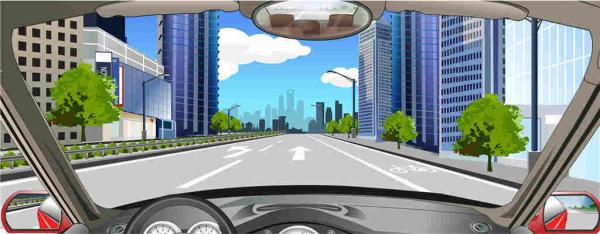
A. Right
B. Wrong
Answer: A
14. Under such circumstances, motor vehicles are allowed to cross the central solid line to overtake.
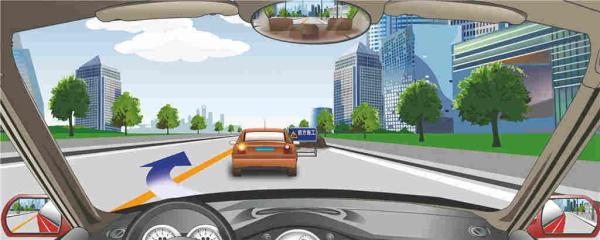
A. Right
B. Wrong
Answer: B
15. For a temporary stop on a foggy day, the driver should only turn on the fog lamp and the low-beam
A. Right
B. Wrong
Answer: B
16. The motor vehicle should stop on the right and wait in this situation.
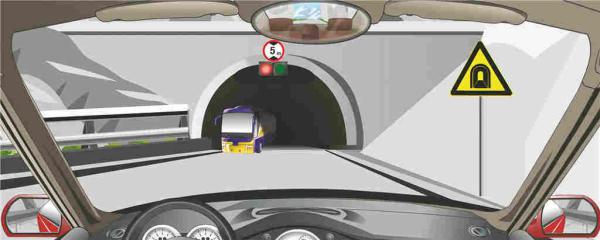
A. Right
B. Wrong
Answer: A
17. When rescuing a wounded person suffering from bone fracture, which of the following should be kept in mind?
A. Immediately send him/her to the hospital on a stretcher
B. Properly change the original posture when the injured person wounded
C. Dress the fracture with a bandage
D. Do not move the fractured body-part
Answer: D
18. Under such circumstances, the motor vehicle driver should voluntarily reduce speed and let the vehicle behind overtake.
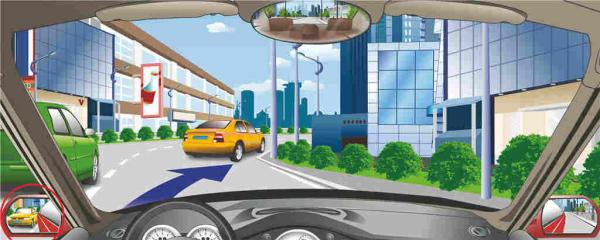
A. Right
B. Wrong
Answer: A
19. When a motor vehicle deviates from the normal direction due to steering failure, what should the driver do?
A. Immediately steer and adjust
B. Reduce speed and stop the vehicle as early as possible
C. Steer to the side where there is no obstacle to evade
D. Steer to the side where there is an obstacle to evade
Answer: B
20. The sign on the right warns of children on the section ahead.
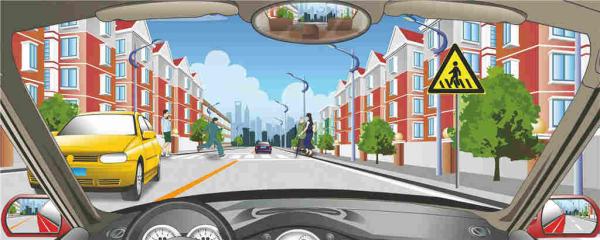
A. Right
B. Wrong
Answer: B