

1. When a wounded person is beneath the wheel or cargo, we should help him out immediately by pulling the limbs of the wounded.
A. Right
B. Wrong
Answer: B
2. When the speed indicated by the speed limit sign on the highway contradicts the speed indicated for the specific lanes the speed indicated for the specific lanes should prevail.
A. Right
B. Wrong
Answer: B
3. A motor vehicle should slow down and stop at this level crossing.
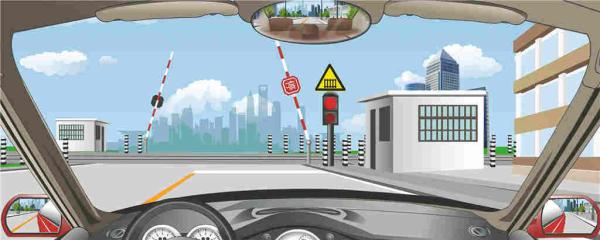
A. Right
B. Wrong
Answer: A
4. How should lamps be used when setting off in this situation?
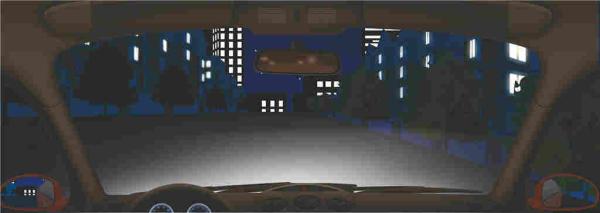
A. Turn on the high-beam
B. Turn on the left indicator only
C. Turn on the left indicator and low-beam
D. Turn on hazard lamp
Answer: C
5. When a tire suddenly bursts on the road, the driver should violently depress the brake pedal to reduce speed and stop the vehicle.
A. Right
B. Wrong
Answer: B
6. When a motor vehicle stops temporarily in a rainy day,which lamp should be turned on?
A. Front and rear fog lamps
B. Hazard lamps
C. Headlamps
D. Reverse lamps
Answer: B
7. The sign in front indicates the allocation of roads ahead.
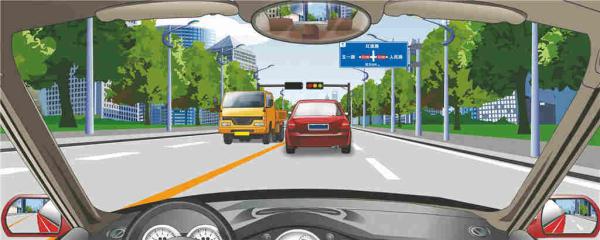
A. Right
B. Wrong
Answer: B
8. When driving on an expressway which of the following statements is correct?
A. Drivers may stop to pick up or drop off passengers in the emergency lane
B. Drives may load or unload cargo in the emergency lane
C. Drives may overtake other vehicles or stop in the deceleration or acceleration lane
D. Drives are prohibited from driving or stopping in the emergency lane in a non-emergency case
Answer: D
9. Motor vehicle drivers are allowed to overtake on this road section.
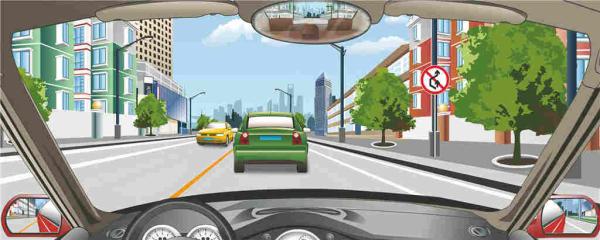
A. Right
B. Wrong
Answer: B
10. The road marker on the right side indicates that drivers may overtake by borrowing this road.
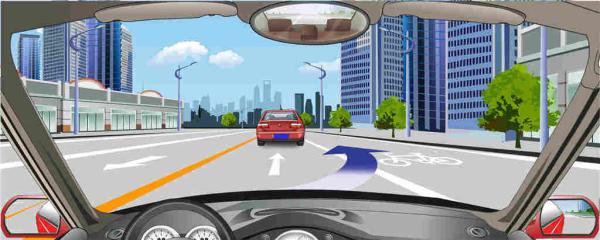
A. Right
B. Wrong
Answer: B
11. Rescue personnel should check the breath of the unconscious person before applying any other emergency treatment.
A. Right
B. Wrong
Answer: A
12. These traffic police signals indicate that passing is prohibited.
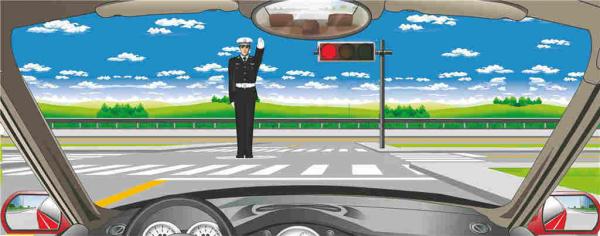
A. Right
B. Wrong
Answer: A
13. How many kinds of law-breaking acts are displayed in flash 1?
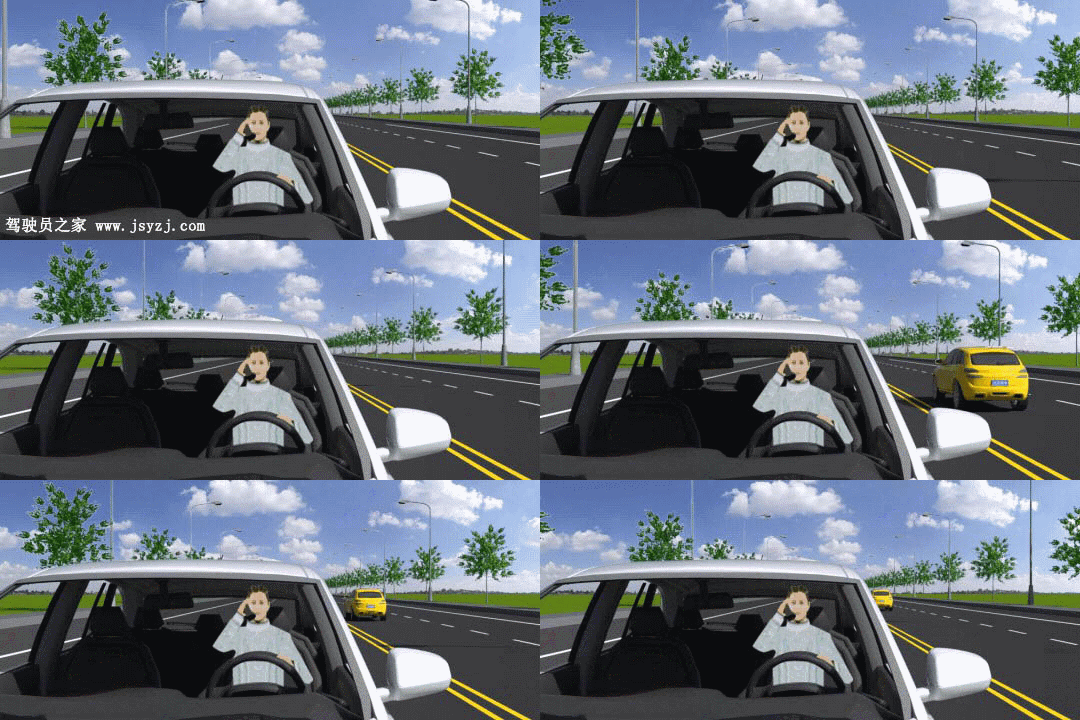
A. One
B. Two
C. Three
D. Four
Answer: B
14. When the wounded person is suffering main artery bleeding, where should the rescue personnel press by thumb to stop the bleeding?
A. The artery near the heart
B. The artery lower to the wound
C. The artery further from the heart
D. The artery in the center of the wound
Answer: A
15. The sign on the left indicates U-turn is allowed here.
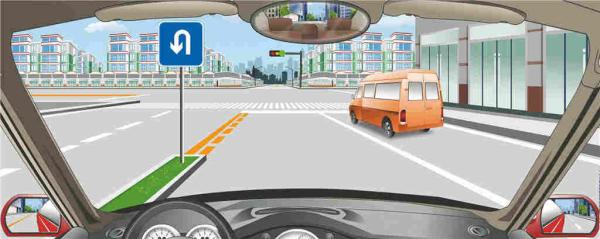
A. Right
B. Wrong
Answer: A
16. A motor vehicle should not pass the level crossing rapidly in this situation.
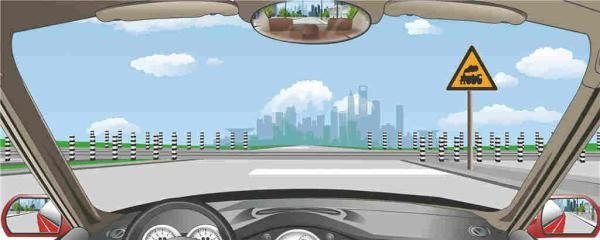
A. Right
B. Wrong
Answer: A
17. When driving on this section of the road, drivers should observe closely and prepare to yield to the animals crossing the road.
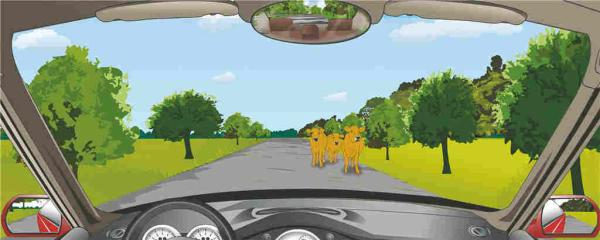
A. Right
B. Wrong
Answer: A
18. When rescuing a wounded person in coma causing by excessive blood loss, it is necessary to take measures to prevent heat loss.
A. Right
B. Wrong
Answer: A
19. The right-front sign indicates a time-regulated pedestrian area.
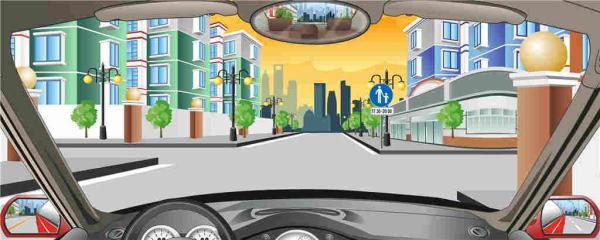
A. Right
B. Wrong
Answer: A
20. The sign on the right side warns of crosswind on the mountain pass ahead.
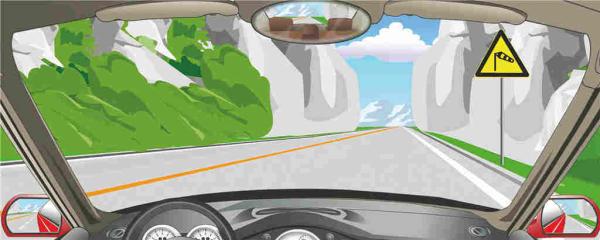
A. Right
B. Wrong
Answer: A