

1. What should the motor vehicle driver do when the motor vehicle encounters the crosswalk in this situation?

A. Slow down and pass
B. Speed up and pass
C. Sound the horn and pass
D. Stop immediately
Answer: A
2. What should the driver do to ensure safe driving when the motor vehicle encounters this situation in a residential area?

A. Sound the horn to warn the pedestrians
B. Speed up and pass as quickly as possible
C. Retain a normal speed
D. Slow down and prepare to stop
Answer: D
3. What should the driver pay attention to in this situation?
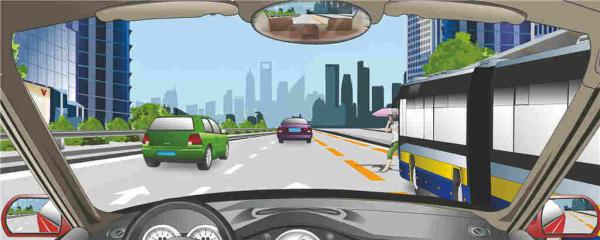
A. Pedestrians passing behind the vehicle
B. Pedestrians passing in front of the vehicle
C. Public buses suddenly reversing
D. Public buses suddenly setting off
Answer: B
4. This sign warns to bypass from the right side to avoid the roadblock.
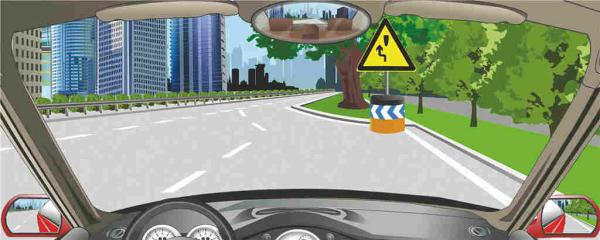
A. Right
B. Wrong
Answer: B
5. At this moment, the driver may speed up and pass the intersection rapidly.

A. Right
B. Wrong
Answer: B
6. In order to keep safe when driving on the highway, which ones of the following statements are prohibited acts?
A. Reversing, moving against regulations, making a U-turn by crossing the central divider, or stopping in the lane.
B. Riding or rolling on the lane-dividing line or driving on the shoulder
C. Overtaking on ramps, accelerations lanes, or deceleration lanes.
D. Testing vehicles or learning to drive a vehicle
Answer: ABCD
7. When encountering this situation, which of the following is the correct way to overtake other vehicles?
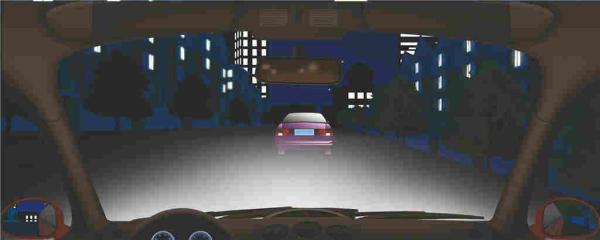
A. Turn on high-beam
B. Use high-beam and low-beam alternatively
C. Turn on low-beam
D. Turning on hazard lamp
Answer: B
8. How should lamps be used when setting off in this situation?
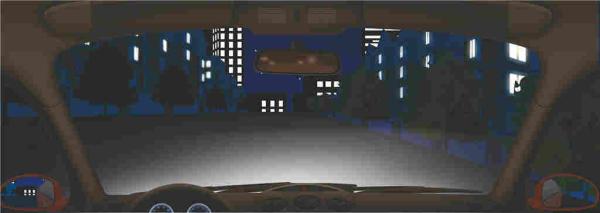
A. Turn on the high-beam
B. Turn on the left indicator only
C. Turn on the left indicator and low-beam
D. Turn on hazard lamp
Answer: C
9. As shown in the flash, what should the motor vehicle driver do when encountering this situation?
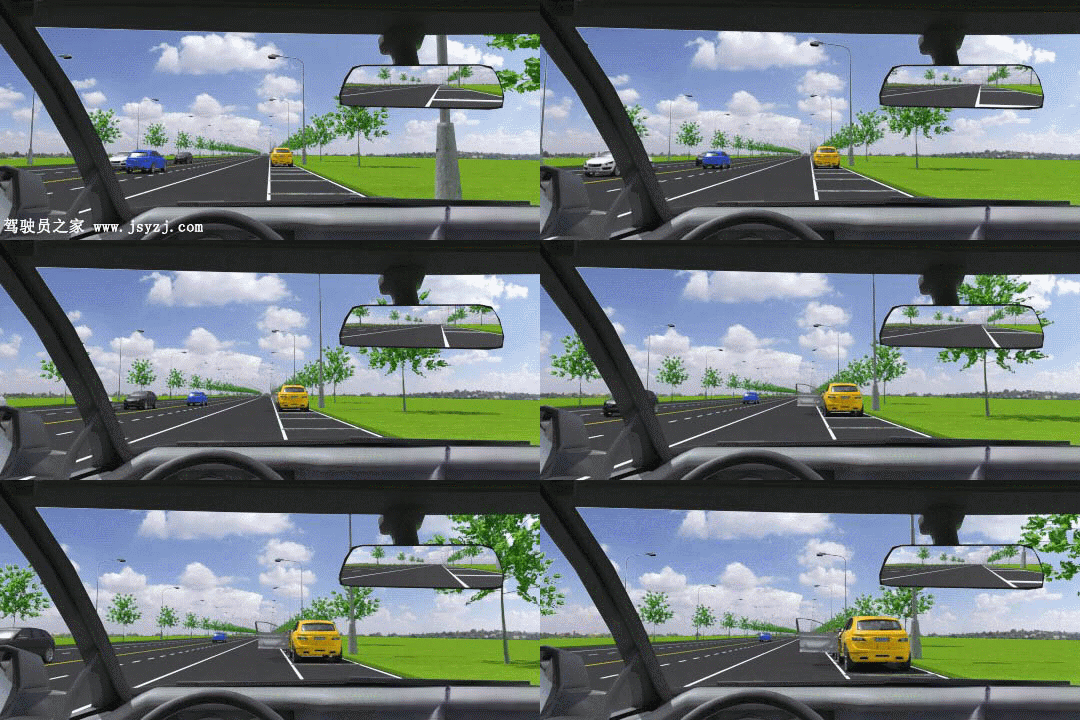
A. Reserve a safe crosswise distance and cut speed
B. Keep a normal speed
C. Use the emergency brake when approaching
D. Speed up and pass rapidly
Answer: A
10. Where is the proper parking place for breakdown motor vehicles stopping for examination?
A. In the far outer lane
B. In the inner lane
C. In the emergency lane
D. Entrance area of the ramp
Answer: C
11. When this signal is constantly flashing, how should a driver react?
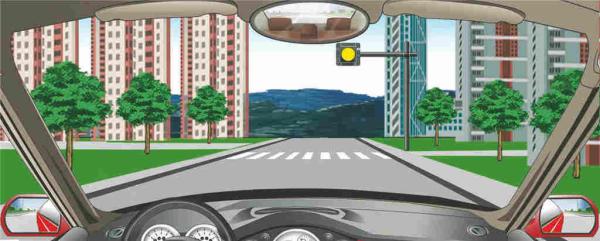
A. Speed up as soon as possible
B. Pull over and wait
C. Observe the traffic situation around to make sure of safe driving
D. Refrain from passing
Answer: C
12. Under such circumstances, what should motor vehicle drivers do?
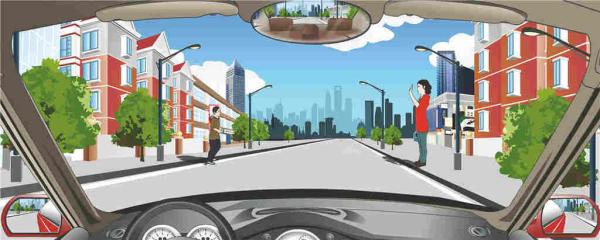
A. Guard against the sideslip of motor vehicles
B. Guard against the crossing of pedestrians
C. Speed up and pass through as quickly as possible
D. Continuously sound the horn
Answer: B
13. vehicles may stop temporarily in this area.
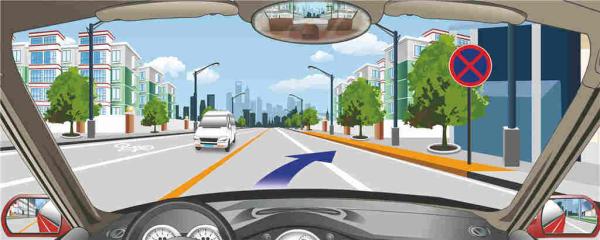
A. Right
B. Wrong
Answer: B
14. When removing a wounded person suffering spinal fracture, the rescuer should never help the wounded person to walk. He may be carried away with a soft stretcher.
A. Right
B. Wrong
Answer: B
15. When entering an expressway ramp, which of the following statements is correct?
A. Drivers are allowed to overtake other vehicles
B. Drivers are prohibited from making U-turns
C. Drivers are allowed to stop
D. Drivers are allowed to reverse
Answer: B
16. When driving on a road covered with ice and snow, the motor vehicle may spin or slide when increasing the speed urgently, due to the loss of vehicle stability.
A. Right
B. Wrong
Answer: A
17. When encountering a school bus which stops at the right roadside and students are embarking or disembarking, and there are two motor vehicle lanes in each direction, motor vehicle drivers on the left lane behind the bus should stop and wait.
A. Right
B. Wrong
Answer: A
18. When driving on an expressway, where should the driver park?
A. The service area
B. The acceleration lane
C. The deceleration lane
D. On the ramp
Answer: A
19. What should the driver do when the motor vehicle passes a flyover?
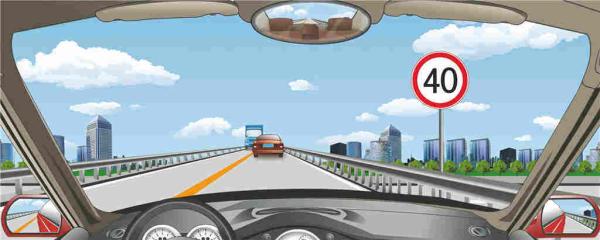
A. Speed up and pass rapidly
B. Keep the speed under 15 km/hour
C. Drive at the speed indicated by the traffic sign
D. Drive close to the central line of the flyover
Answer: C
20. In rain, the most effective way to avoid the danger arising from water slide is to drive at high speed
A. Right
B. Wrong
Answer: B