

1. Whats the meaning of this yellow sign on the road?
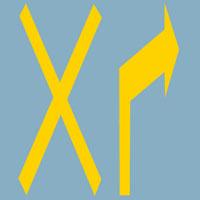
A. no U turn
B. no left turn
C. no right turn
D. no going straight
Answer: C
2. How to do when the vehicle breaks down on road and needs to stop to solve the problem?
A. stop in the middle of the road
B. stop the vehicle where will not interfere the traffic
C. turn on the low beam lights or fog lights
D. stop on the spot to solve the problem
Answer: B
3. What is this traffic sign?
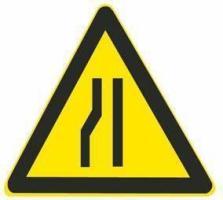
A. Road narrows on both sides
B. Road narrows on the right side
C. Road narrows on the left side
D. Bridge narrows
Answer: C
4. Whats the meaning of this sign?
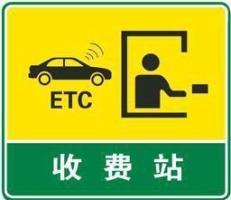
A. expressway toll station
B. expressway checkpoint
C. toll station with ETC
D. expressway card-getting point
Answer: C
5. When a vehicle changes to the right lane, the driver should turn on the right-turn signal in advance, observe and enter the new lane if it is safe to do so.
A. Right
B. Wrong
Answer: A
6. Whats the meaning of this guide arrow?

A. left curve or need to merge with the left flow ahead
B. right curve or need to merge with the right flow ahead
C. merge with the left flow due to right side obstacle ahead
D. left curve or need to bypass from left side ahead
Answer: A
7. Whats the meaning of this sign?

A. bypass from right side
B. one-way passing
C. watch for danger
D. bypass from left side
Answer: A
8. May watch car video in good road conditions.
A. Right
B. Wrong
Answer: B
9. Traffic Police can detain the vehicle according to law if it runs on the road failing to place a label of inspection.
A. Right
B. Wrong
Answer: A
10. Whats the meaning of this sign?
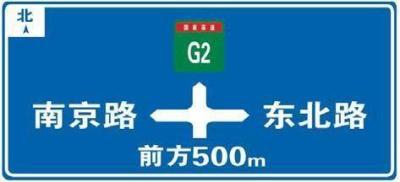
A. lane information indication
B. road branching point ahead
C. place and distance indication
D. intersection ahead
Answer: D
11. When a vehicle goes downhill, the driver should properly control the speed and fully use the engine to brake.
A. Right
B. Wrong
Answer: A
12. How to pass this intersection?
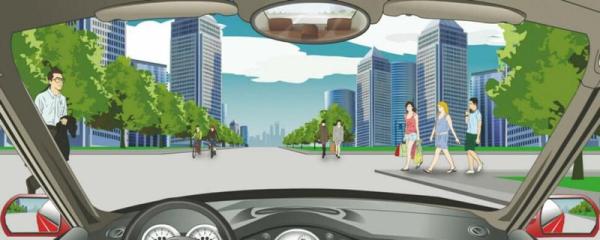
A. keep the speed and go through
B. honk to urge
C. reduce speed and go through slowly
D. speed up and go through
Answer: C
13. The braking system may malfunction if it lights.

A. Right
B. Wrong
Answer: A
14. This sign warns slippery road ahead and running slowly with care.
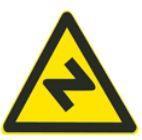
A. Right
B. Wrong
Answer: B
15. Driving a motorized vehicle on the expressway is not allowed to exceed the marked maximum speed.
A. Right
B. Wrong
Answer: A
16. Whats the meaning of this sign?

A. no passing for small vehicle
B. passing for small vehicle only
C. passing for motorized vehicle
D. no passing for small vehicle
Answer: C
17. Whats the meaning of this sign?
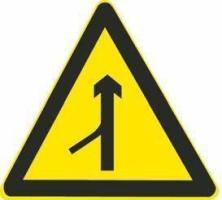
A. Y-shaped intersection
B. main road yield
C. attention to branching
D. attention to merging
Answer: D
18. It displays that oil in tank has less than the warning line

A. Right
B. Wrong
Answer: A
19. Whats the meaning of this sign?
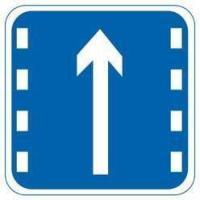
A. right-turn lane
B. U turn lane
C. left-turn lane
D. straight-going lane
Answer: D
20. The continuously flashing yellow light means that the vehicle may speed up and pass.
A. Right
B. Wrong
Answer: B