

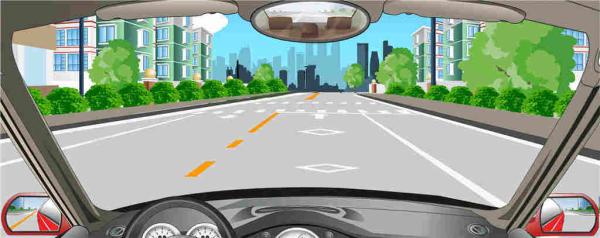
1. The diamond-shaped sign on the road indicates a crosswalk on the road ahead.
A. Right
B. Wrong
Answer: A
2. Mr. Li drove a large bus with 21 passengers (capacity 35 people). He found the braking system was abnormal on the way but failed to repair it. When running on the Shuangdao Haiwan Bridge at a speed of 50 kilometers per hour (speed limit 40 km/h), the bus fell into the sea due to a braking system failure, killing 13 people and injuring 8. What is the main illegal act committed by Mr. Li?
A. Speeding
B. Fatigued driving
C. Carrying more passengers than permitted
D. Driving a motor vehicle with potential safety hazard
Answer: AD
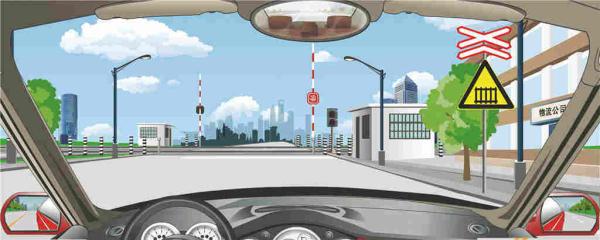
3. This sign warns of an intersection of railways and highways ahead.
A. Right
B. Wrong
Answer: A
4. Which is the correct way to use a fire extinguisher?
A. Stand on the leeward side
B. Direct the fire extinguisher at the source of fire
C. Try to approach the source of fire as close as possible
D. Direct the fire extinguisher at the flames
Answer: B
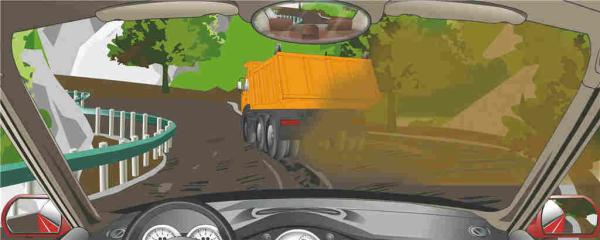
5. When encountering this situation on a mountainous road, motor vehicle drivers should overtake the vehicle in front by speeding up.
A. Right
B. Wrong
Answer: B
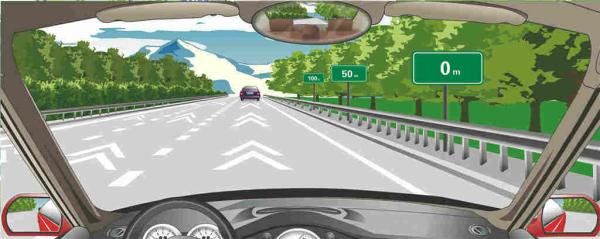
6. The white zig-zag line on the highway serves as a reference for the speed of a driver.
A. Right
B. Wrong
Answer: B
7. When a motor vehicle stops temporarily in a rainy day,which lamp should be turned on?
A. Front and rear fog lamps
B. Hazard lamps
C. Headlamps
D. Reverse lamps
Answer: B
8. The sign on the right warns of a village or town ahead suggesting a 30km/hour speed.
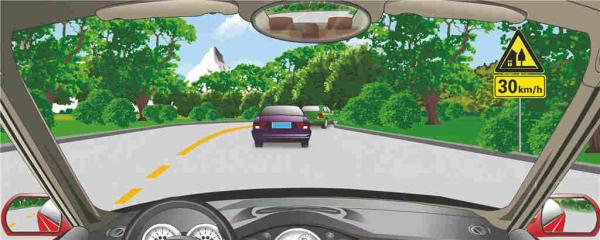
A. Right
B. Wrong
Answer: A
9. How should a motor vehicle follow the other vehicle In front when driving on a road covered with ice and snow?
A. Keep a long safe distance
B. Turn on hazard lamp
C. Change between high-and-low beam alternatively
D. Sound the horn in due time to give a notice to the vehicle in front
Answer: A
10. The sign on the right warns for disabled people ahead.

A. Right
B. Wrong
Answer: A
11. Drivers may turn left when traffic police give these hand signals.
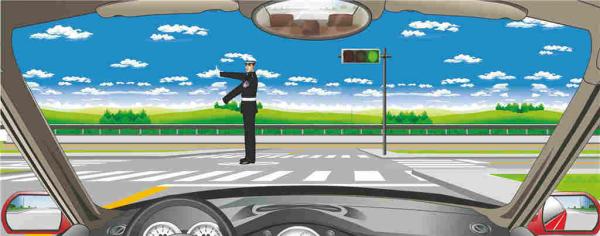
A. Right
B. Wrong
Answer: A
12. Those traffic police signals mean turning right.
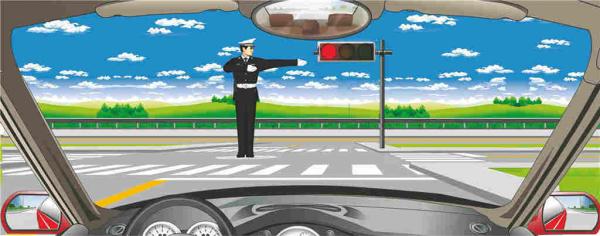
A. Right
B. Wrong
Answer: B
13. This sign warns to bypass from the right side to avoid the roadblock.
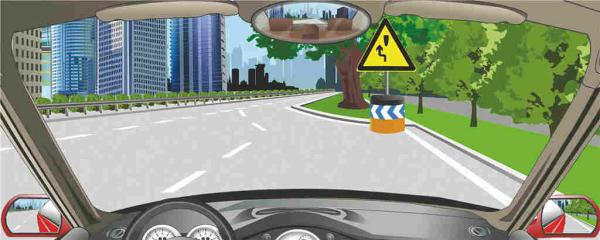
A. Right
B. Wrong
Answer: B
14. Dangerous chemicals possess the characteristics of explosion, inflammation, poison, erosion and radiation.
A. Right
B. Wrong
Answer: A
15. Before driving, it is necessary to check whether the cooling liquid, engine oil and fuel oil, are leaking.
A. Right
B. Wrong
Answer: A
16. When a motor vehicle passes over an inundated road what should the driver do?
A. Stop and look at the situation
B. Make sure it is safe and pass over at a low speed
C. Intermittently and gently depress the brake pedal then wading across the water
D. Continuously but gently depress the brake pedal then wading across the water
Answer: ABC
17. When there is a braking failure on a downhill road the driver should change the gear to one position or two positions lower, and control the speed by taking advantage of the braking role of the engine.
A. Right
B. Wrong
Answer: A
18. The sign on the right warns of an embankment road 200 meters ahead.
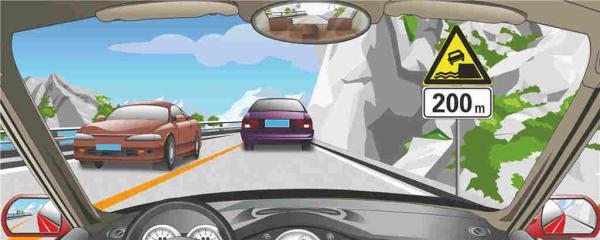
A. Right
B. Wrong
Answer: A
19. How to ensure motor vehicles have sufficient power when driving uphill?
A. Downshift before reducing speed
B. Downshift after reducing speed
C. Downshift when the speed is excessively low
D. Downshift to the fullest extent
Answer: A
20. When driving on an expressway, which of the following statements is not correct?
A. Drivers are not allowed to drive by riding or rolling on the lane dividing line
B. Drivers are prohibited from driving on road shoulders
C. Drivers may overtake on the ramp, the acceleration lane or the deceleration lane
D. Drivers are prohibited from learning to drive
Answer: C