

1. When parking temporarily in this situation, motor vehicle drivers are allowed to turn the steering wheel left to avoid sliding.

A. Right
B. Wrong
Answer: A
2. What should the driver do on this kind of curving mountain road?
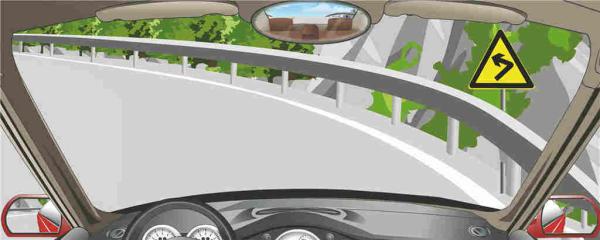
A. Borrow the opposite lane
B. Slow down and drive on the right
C. Stick to the central line of the road
D. Drive close to the right side
Answer: B
3. Under such circumstances, what should be done by the motor vehicle driver who has been overtaken?
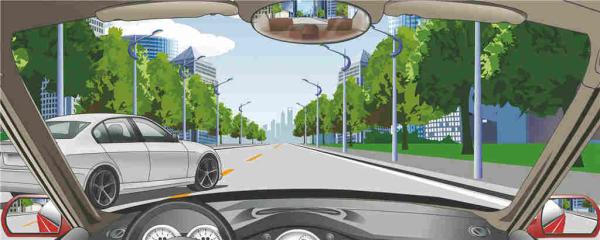
A. Sounding the horn to warn the vehicle that overtook
B. Reducing speed or pulling over by the right side
C. Protesting by turning on the high-beam
D. Catching up with and overtaking the vehicle that overtook, and offering admonitions
Answer: B
4. The sign on the right warns of a danger from rockfall on the left side.
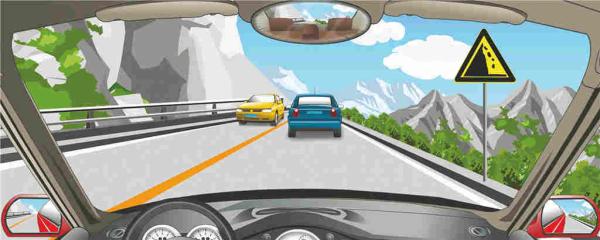
A. Right
B. Wrong
Answer: A
5. The sign on the right indicates notice by sounding the horn.
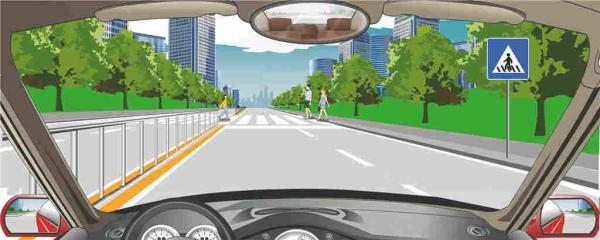
A. Right
B. Wrong
Answer: B
6. It is correct for the driver to drive on an expressway in the way shown in the flash.
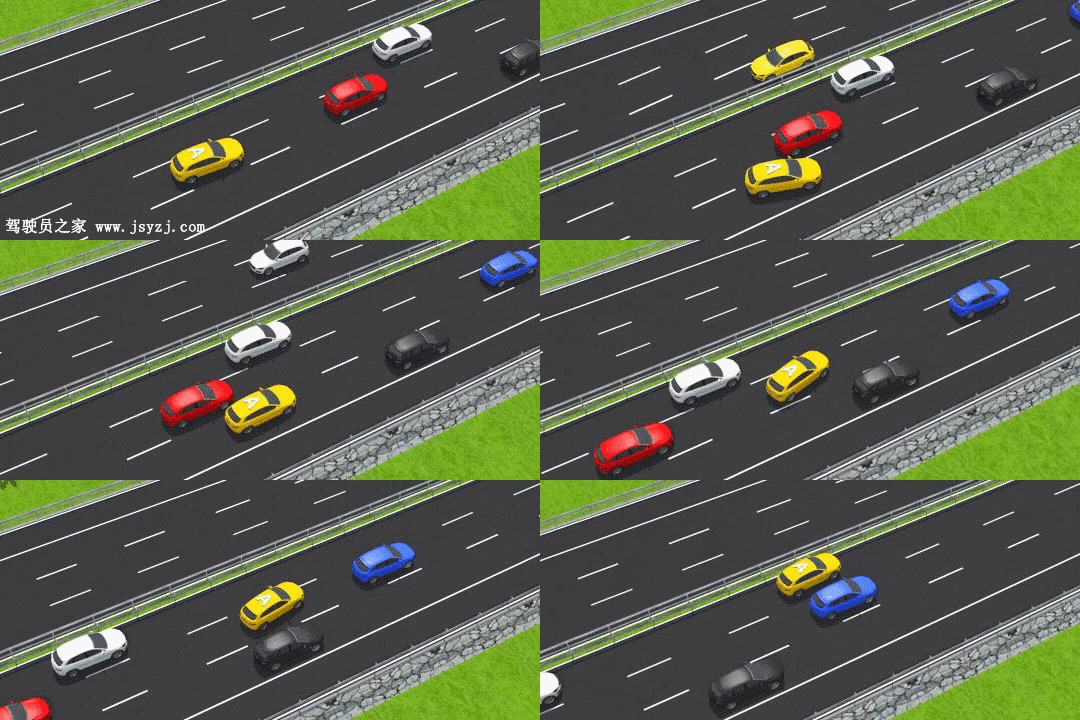
A. Right
B. Wrong
Answer: B
7. The sign on the right warns of no passing due to collapse on the road ahead.
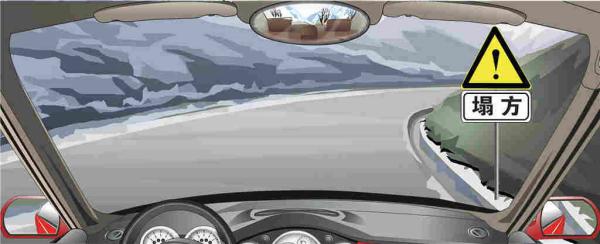
A. Right
B. Wrong
Answer: B
8. The sign on the right indicates the location of the highway emergency phone.
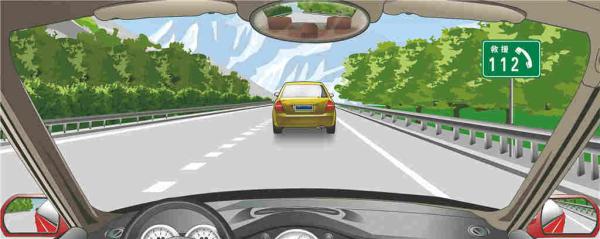
A. Right
B. Wrong
Answer: B
9. When there is bleeding at the bone fracture of a wounded person, the first thing to do is to keep it in position before stopping the bleeding and dress the wound.
A. Right
B. Wrong
Answer: B
10. Drivers are allowed to cross the broken and solid white line on the road when changing lanes or pulling over.
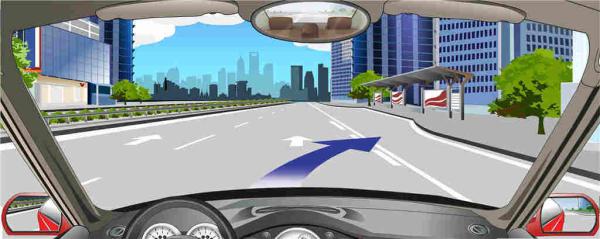
A. Right
B. Wrong
Answer: A
11. The sign on the right indicates an inspection station 100 meters ahead.
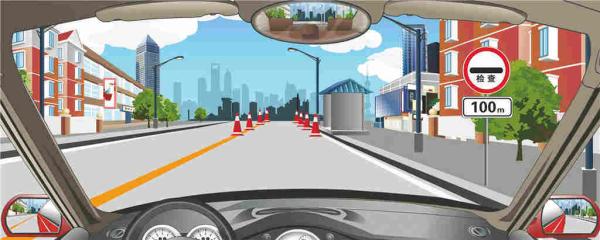
A. Right
B. Wrong
Answer: A
12. When braking, the steering will become impossible if the front wheels are blocked
A. Right
B. Wrong
Answer: A
13. When a motor vehicle passes over an inundated road what should the driver do?
A. Stop and look at the situation
B. Make sure it is safe and pass over at a low speed
C. Intermittently and gently depress the brake pedal then wading across the water
D. Continuously but gently depress the brake pedal then wading across the water
Answer: ABC
14. The sign on the right warns for livestock on the road ahead.

A. Right
B. Wrong
Answer: B
15. The sign in front indicates the name and number of the highway.
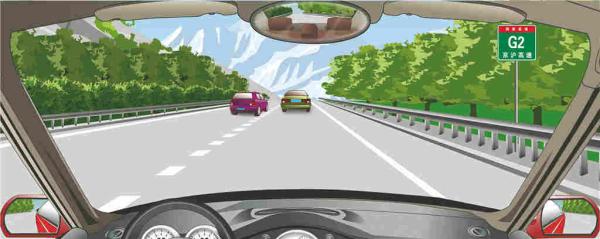
A. Right
B. Wrong
Answer: A
16. In this situation, motor vehicles are permitted to stop temporarily at bus stations.
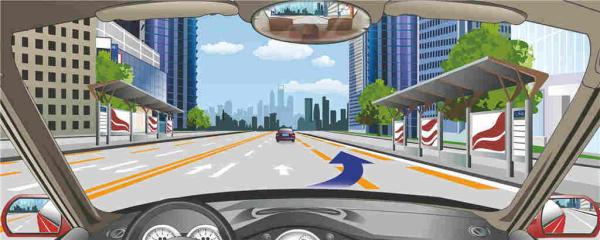
A. Right
B. Wrong
Answer: B
17. When encountering this situation in a residential area the driver should speed up and pass in front of the bicycle.
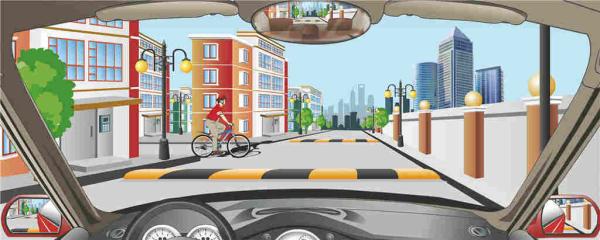
A. Right
B. Wrong
Answer: B
18. It is not safe for a female driver to wear high heels to drive a vehicle.
A. Right
B. Wrong
Answer: A
19. When driving on an expressway in rain, the driver should slow down to avoid steering failure arising from water slide
A. Right
B. Wrong
Answer: A
20. When a motor vehicle passes over an inundated road the driver should change to a low gear and pass at a constant speed.
A. Right
B. Wrong
Answer: A