

1. What should the driver do when the motor vehicle encounters this situation?
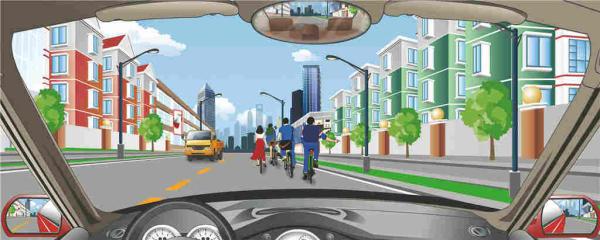
A. Overtake immediately
B. Sound the horn continuously to warn
C. Maintain safety distance and overtake
D. Sound horn and speed up to overtake
Answer: C
2. Which one of the following statements is the safest measure for a motor vehicle driver to take on this kind of road?

A. Accelerate to overtake the vehicle in front as soon as possible
B. Sound the horn to warn the vehicle in front to yield
C. Follow the vehicle in front and keep a certain distance
D. Overtake the vehicle in front from its righthand
Answer: C
3. Motor vehicles should stop and wait when encountering two red lights flashing alternately at level crossings.
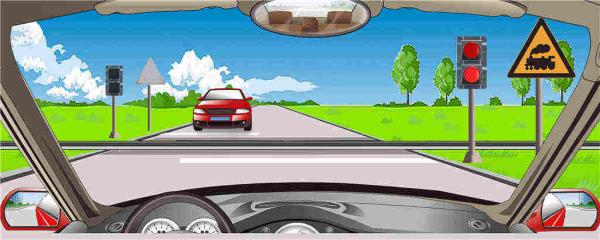
A. Right
B. Wrong
Answer: A
4. Under the circumstances shown in the flash, what should the driver do?
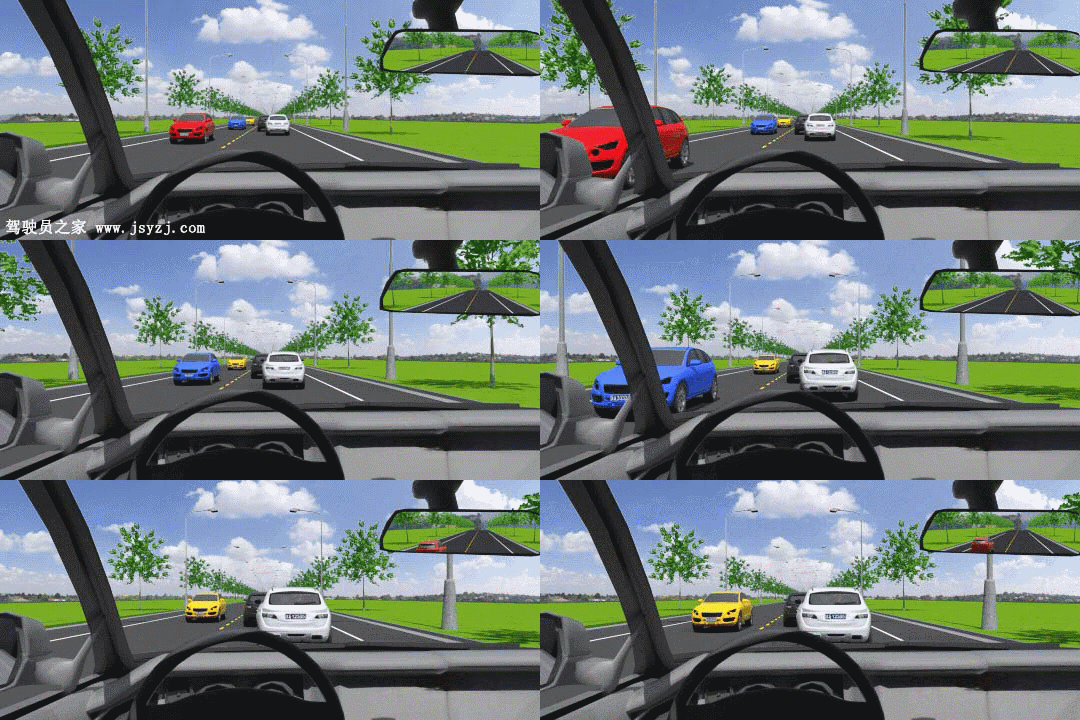
A. Find a chance to overtake the vehicle in front
B. Weave through motor vehicles ahead and pass
C. Reduce speed, stop, and wait in line
D. Sound the horn to urge vehicles in front
Answer: C
5. When a wounded person is beneath the wheel or cargo, we should help him out immediately by pulling the limbs of the wounded.
A. Right
B. Wrong
Answer: B
6. How should motor vehicle drivers make a U-turn at the intersection ahead?
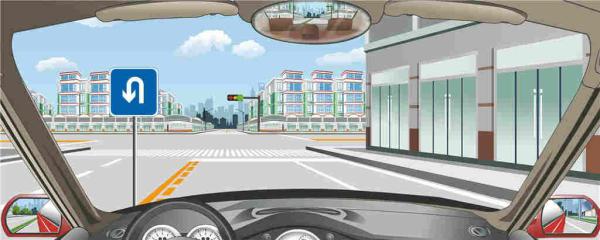
A. Make a U-turn in the waiting area for turning left
B. Make a U-turn at the broken line area of the Intersection
C. Wait until the left-turn indicator is on
D. Wait until the straight-going signal is on
Answer: B
7. The sign on the right indicates a bypass route at the intersection ahead.
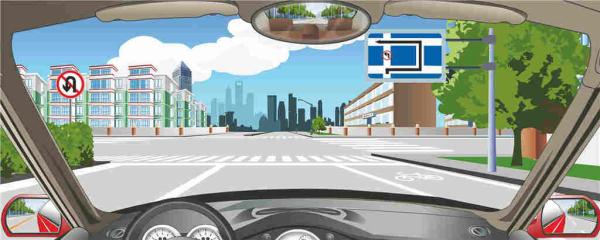
A. Right
B. Wrong
Answer: A
8. The sign on the right side warns of a sharp right turn ahead.
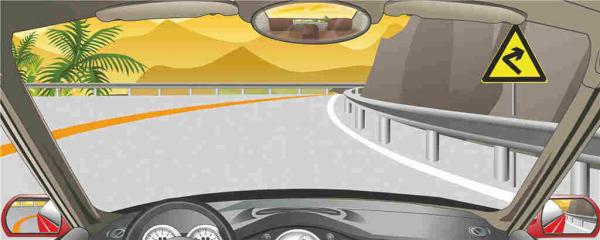
A. Right
B. Wrong
Answer: A
9. Motor vehicle drivers should rush to the top of the slope in this situation.
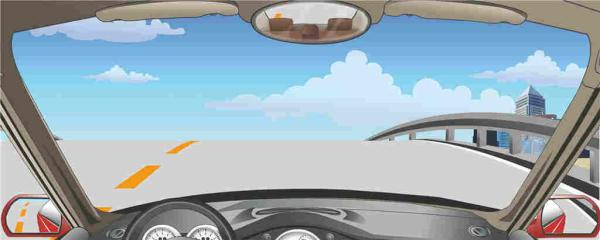
A. Right
B. Wrong
Answer: B
10. Drivers may turn left when traffic police give these hand signals.
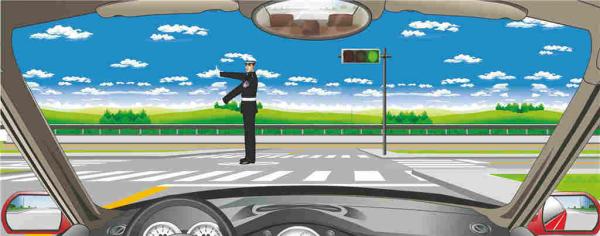
A. Right
B. Wrong
Answer: A
11. What should motor vehicle drivers do under the circumstance shown in the flash?
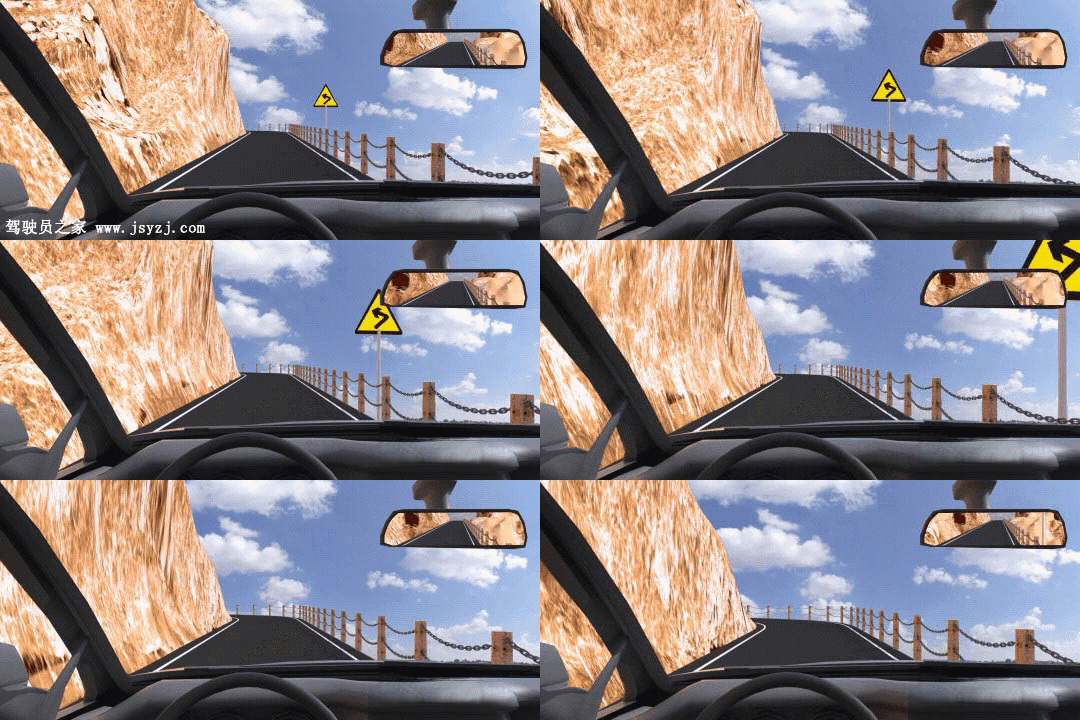
A. Drive by borrowing the opposite lane
B. Brake suddenly and pass through at a lower speed
C. Drive by the outer side of the curve
D. Reduce speed fully and drive by the right side
Answer: D
12. After setting off from a roadside, motor vehicle drivers should watch both sides of the road, turn left and drive into the normal lane slowly.
A. Right
B. Wrong
Answer: A
13. The guide arrow on the road surface of this lane indicates that only left turns are permitted at the intersection ahead.
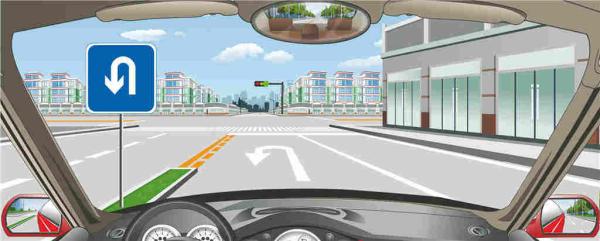
A. Right
B. Wrong
Answer: B
14. When the engine suddenly stalls on the road and cannot be restarted, the driver should pull over in a timely fashion and identify the cause of the stalling.
A. Right
B. Wrong
Answer: A
15. In the flash, it is correct for the driver to behave this way when there is a traffic jam caused by an accident on the expressway.
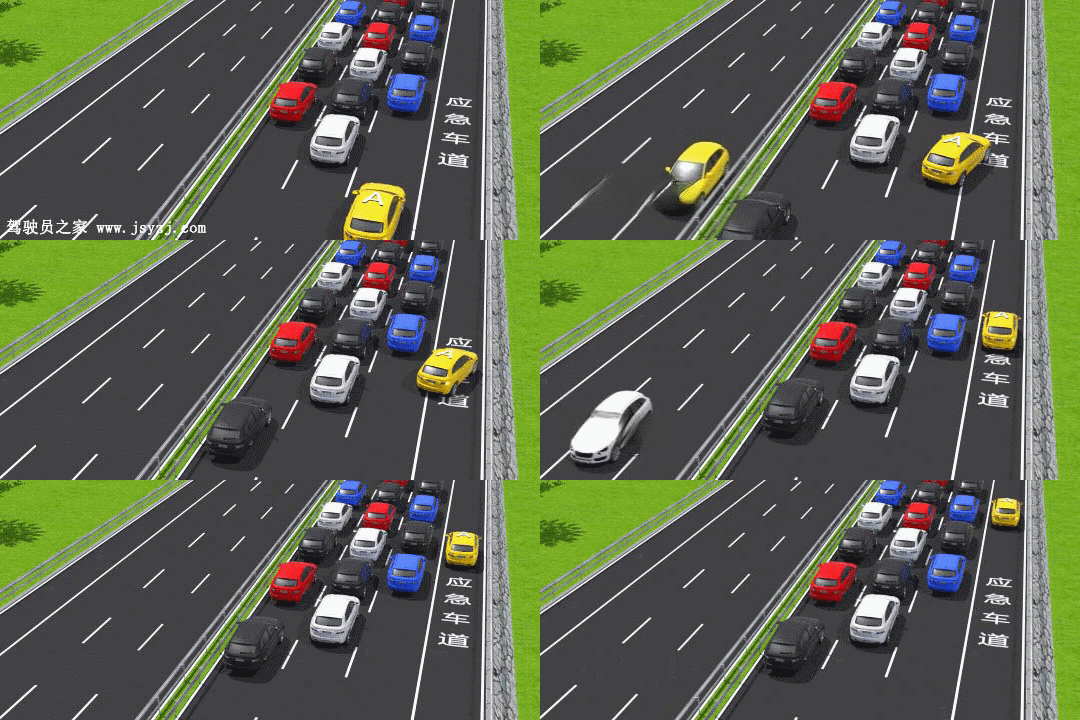
A. Right
B. Wrong
Answer: B
16. What should motor vehicle drivers do under the circumstances shown in the flash?
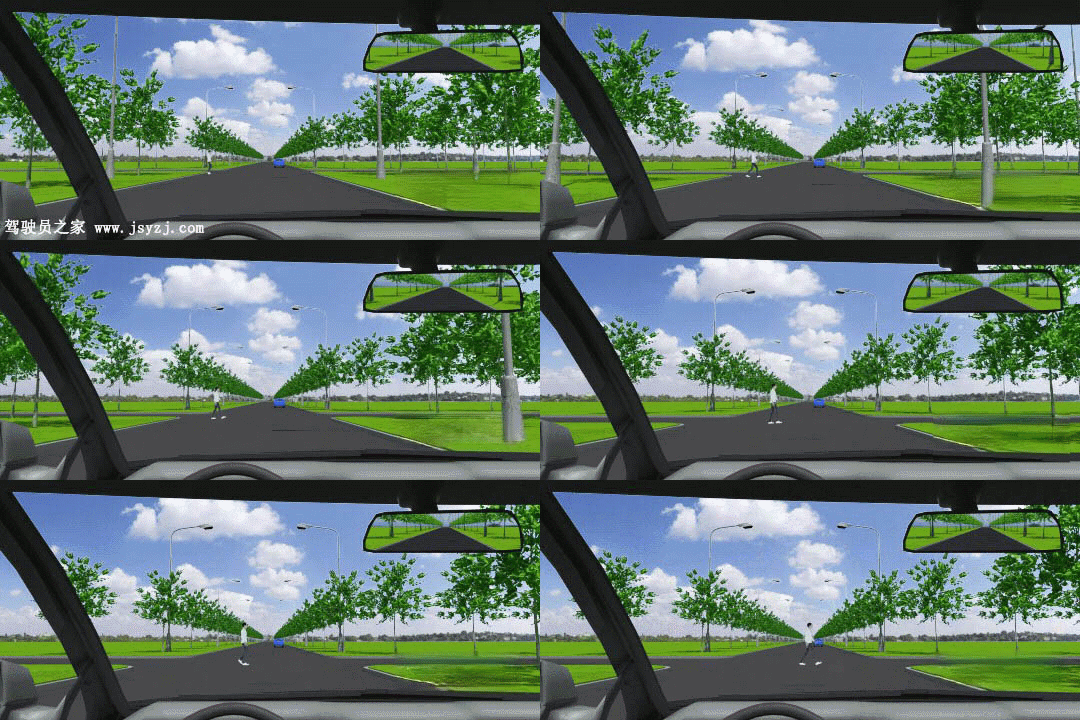
A. Reduce speed or stop to yield
B. Sound the horn to warn the pedestrians to yield
C. Pass before the pedestrians
D. Immediately change to another lane to bypass the pedestrians
Answer: A
17. What should a driver do when the engine stalls suddenly on the road?
A. Apply emergency braking to stop the vehicle
B. Slow down and stop the vehicle
C. Change to neutral gear and coast
D. Shut down the ignition switch
Answer: B
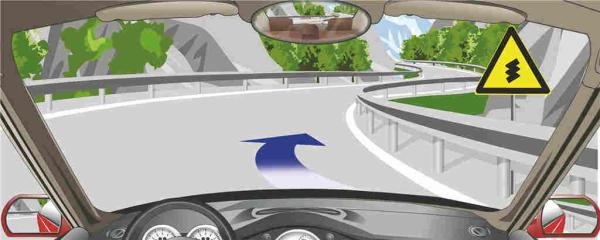
18. When passing this mountainous road, motor vehicle drivers should drive along the center of the road.
A. Right
B. Wrong
Answer: B
19. Under such circumstances, motor vehicle drivers should bypass on the left quickly.

A. Right
B. Wrong
Answer: B
20. Which one of the following is the safest way when driving a motor vehicle on this road?
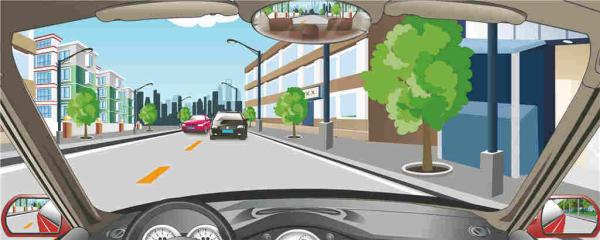
A. Cutting speed or stopping to yield
B. Driving along the center of the road
C. Keeping a normal speed
D. Approaching vehicles by taking the opposite lane
Answer: A