

1. Under this circumstance, motor vehicle drivers should not reduce speed.
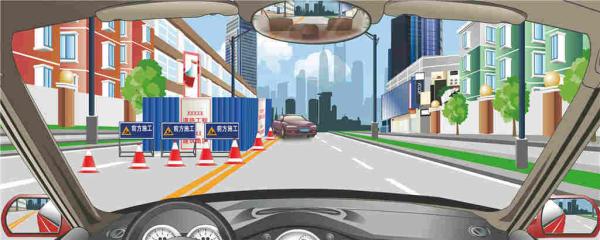
A. Right
B. Wrong
Answer: B
2. Under such circumstances, the motor vehicle is allowed to overtake.
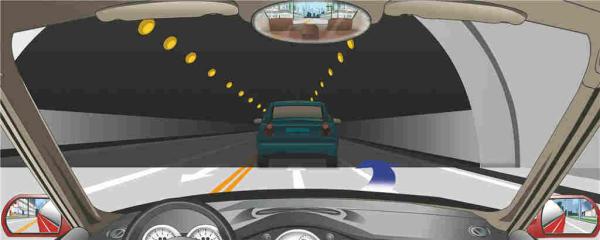
A. Right
B. Wrong
Answer: B
3. In this driving condition, drivers should turn on the high-beam when setting off.
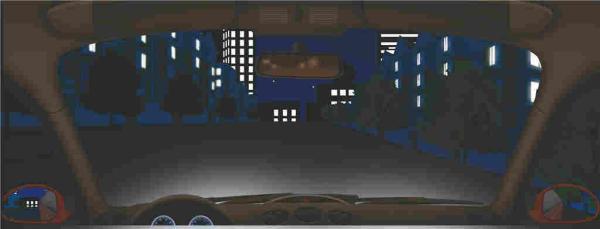
A. Right
B. Wrong
Answer: B
4. When a motor vehicle turns at an excessively high speed, it can easily slide sideways.
A. Right
B. Wrong
Answer: A
5. When a motor vehicle temporarily stops at night, which lamp should be turned on?
A. Front and rear fog lamp, clearance lamp and rear position lamp
B. Head lamp, clearance lamp and rear position lamp
C. Hazard lamp, clearance lamp and rear position lamp
D. Reverse lamp, clearance lamp and rear position lamp
Answer: C
6. What should motor vehicle drivers do when going straight and passing through the intersection ahead?
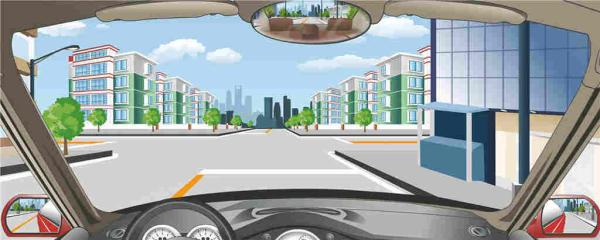
A. Reduce speed when approaching the intersection
B. Reduce speed after entering the intersection
C. May pass through the intersection without speed reduction
D. Accelerate in advance to pass through the intersection
Answer: A
7. What should the driver do when he sees this sign on the road?
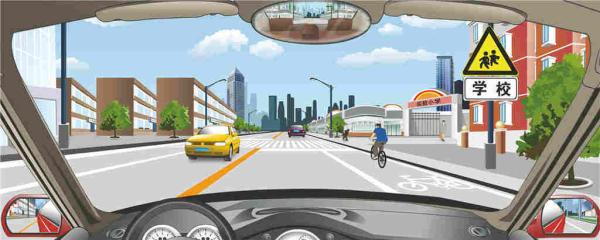
A. Use emergency braking
B. Slow down and take a look
C. Sound the horn intermittently
D. Prepare to bypass
Answer: B
8. The drivers, loaders and supercargoes responsible for dangerous chemicals transportation should all full understand the chemical characteristics, potential risks, features of the packaging containers and emergency measures for any unexpected accidents.
A. Right
B. Wrong
Answer: A
9. When approaching a vehicle on a narrow slope, which one of the following ways is correct?
A. The descending vehicle yields to the ascending
B. The vehicle which is further from the slope crest should yield
C. The ascending vehicle yields to the descending
D. If the descending vehicle has reached the midpoint while the ascending vehicle has not yet set out, the descending vehicle must yield.
Answer: A
10. What should motor vehicle drivers do under such circumstances at night?
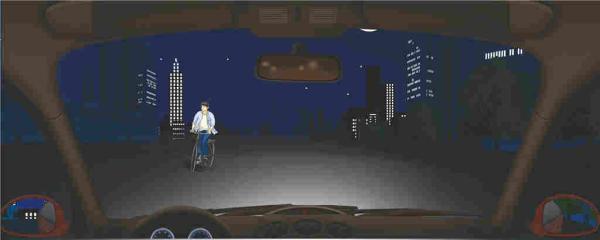
A. Turn off the headlamp when approaching
B. Use low-beam
C. Use high-beam
D. Turn off all lamps in advance
Answer: B
11. The guide arrow on the road surface of this lane indicates that only left turns are permitted at the intersection ahead.
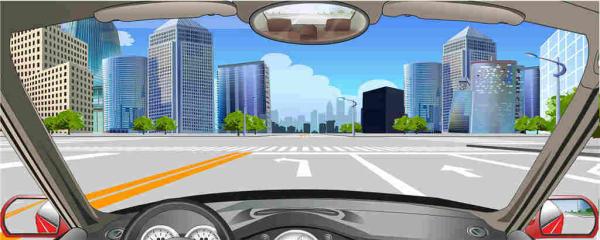
A. Right
B. Wrong
Answer: A
12. The road marker on the right side indicates that drivers may overtake by borrowing this road.
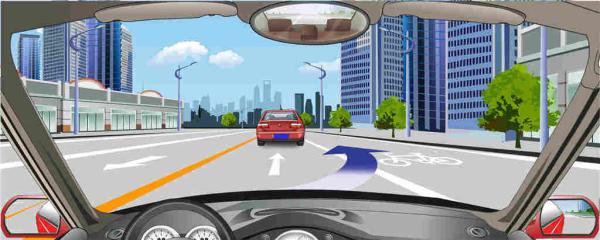
A. Right
B. Wrong
Answer: B
13. The sign on the right indicates the location of the highway emergency phone.
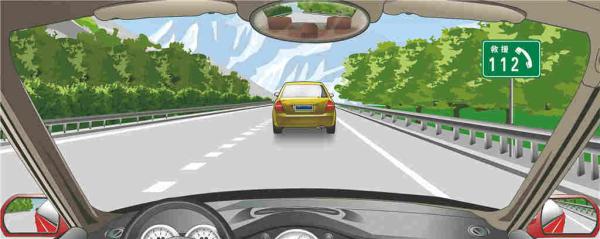
A. Right
B. Wrong
Answer: B
14. Motor vehicles on this kind of road are only allowed to overtake the vehicle in front from left.
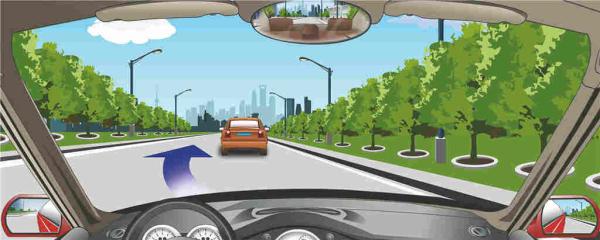
A. Right
B. Wrong
Answer: A
15. As shown in the flash, the driver?ˉs act is correct.
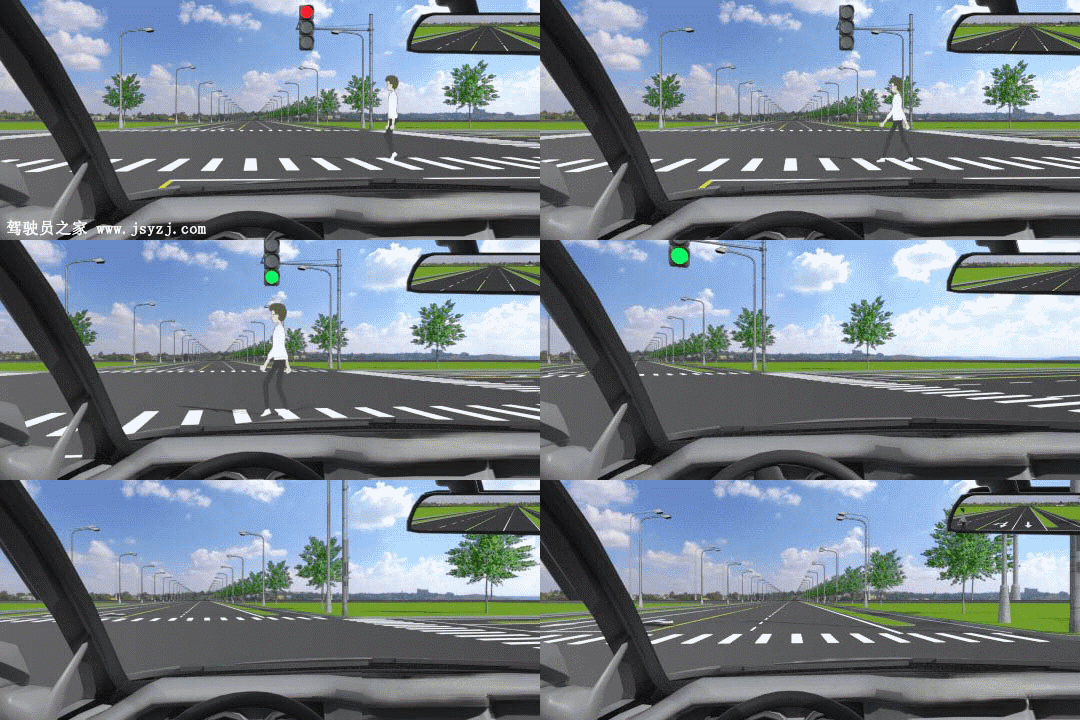
A. Right
B. Wrong
Answer: B
16. When driving in thick fog causing poor visibility on the expressway, the driver should apply emergency braking to stop at once.
A. Right
B. Wrong
Answer: B
17. The sign on the right warns of an abrupt slope section ahead.
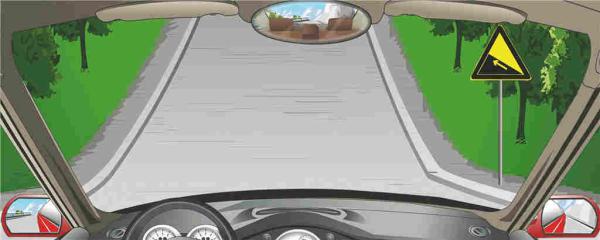
A. Right
B. Wrong
Answer: A
18. The sign on the right is an advance announcement of the highway destination.
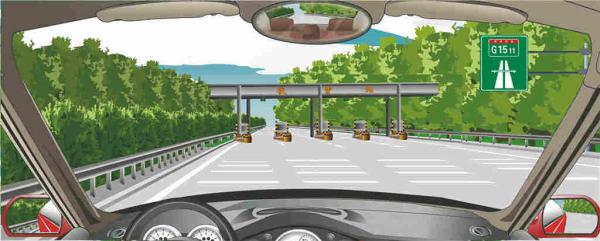
A. Right
B. Wrong
Answer: B
19. The motor vehicle equipped with ABS may sideslip during an emergency brake.
A. Right
B. Wrong
Answer: A
20. When extinguishing fire, the synthetic-made garments should not be taken off in order to protect the exposed skin from burning.
A. Right
B. Wrong
Answer: B