

1. When encountering this situation in a residential area the driver should sound the horn continuously.
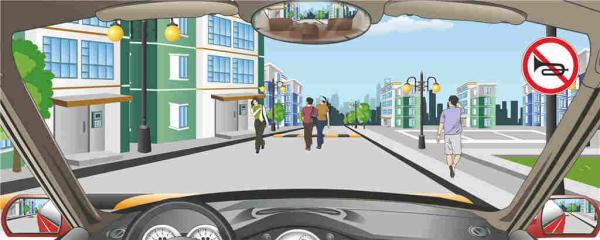
A. Right
B. Wrong
Answer: B
2. How to pass the intersection when running straight
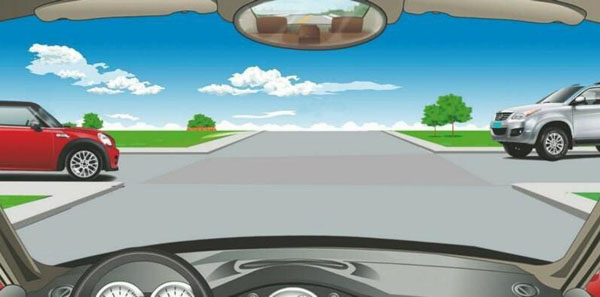
A. turn on the hazard lights and pass
B. directly speed up and pass straight
C. yield to the vehicle from the right road
D. yield to the vehicle from the left road
Answer: C
3. When approaching a sharp curve, motor vehicle drivers should reduce speed only after entering the curve.
A. Right
B. Wrong
Answer: B
4. The road marker indicates that vehicles are not allowed to make a U-turn at the intersection ahead.
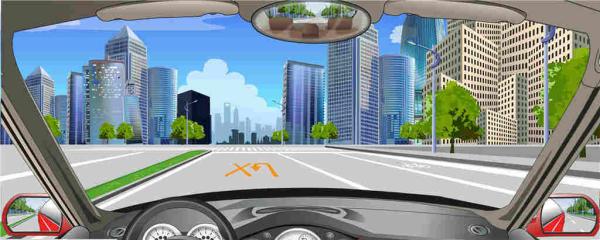
A. Right
B. Wrong
Answer: A
5. When driving a motor vehicle into a traffic flow, drivers should not hold up other vehicles.
A. Right
B. Wrong
Answer: A
6. The sign on the right warns of an embankment road 200 meters ahead.
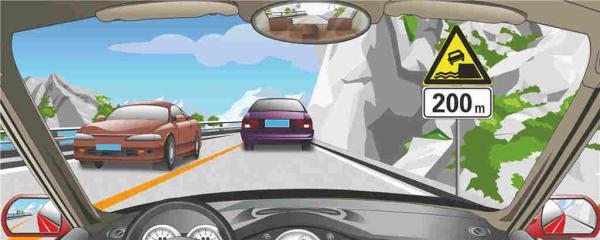
A. Right
B. Wrong
Answer: A
7. Drivers may turn left when traffic police give these hand signals.
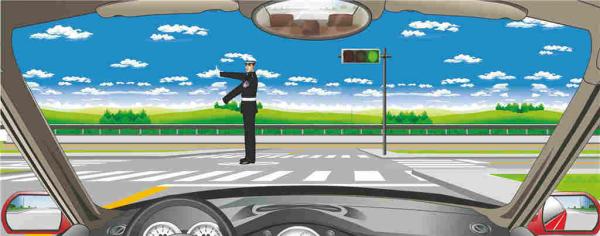
A. Right
B. Wrong
Answer: A
8. When a tire suddenly bursts on the road, in which of the following ways can motor vehicle drivers keep safe?
A. Applying emergency braking and pulling over
B. Firmly holding the steering wheel and keeping the vehicle going straight
C. Immediately releasing the accelerator pedal
D. Gently depressing the brake pedal
Answer: BCD
9. Motor vehicle drivers may reverse at an intersection.
A. Right
B. Wrong
Answer: B
10. After speeding up to more than 60 km/hour, a motor vehicle driver may drive onto the driving lane directly.
A. Right
B. Wrong
Answer: B
11. What should the driver do upon finding a burst rear tire?
A. Adjust by swiftly turning the steering wheel
B. Control the direction while reducing speed slowly
C. Swiftly turn the steering wheel to the opposite direction
D. Swiftly take braking measures
Answer: B
12. What should be done by motor vehicle drivers in order to yield politely to such pedestrians?
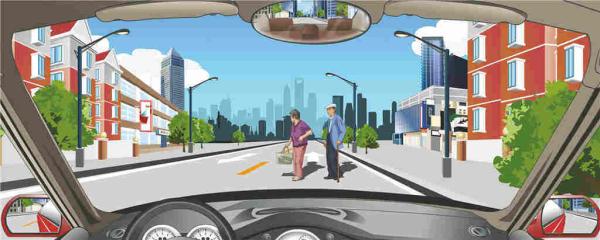
A. Speed up and bypass in front of the pedestrians
B. Speed up and bypass from behind the pedestrians
C. Reduce speed or stop to yield
D. Continuously sound the horn to alert the pedestrians
Answer: C
13. What should be taken note of by drivers in this situation?
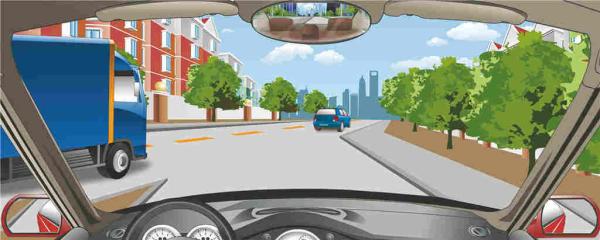
A. The motor vehicles on the left side
B. The motor vehicles on the right side
C. The motor vehicles behind
D. The motor vehicles in front
Answer: A
14. The sign on the right warns of a winding road to the left ahead.
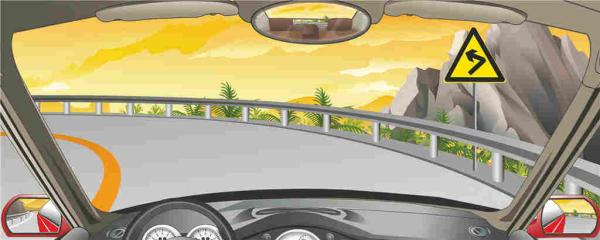
A. Right
B. Wrong
Answer: B
15. This sign warns of an intersection of railways and highways ahead.
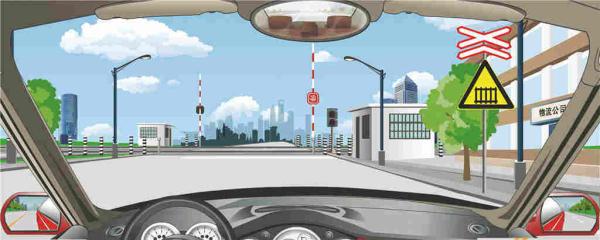
A. Right
B. Wrong
Answer: A
16. When a motor vehicle stops temporarily in a rainy day,which lamp should be turned on?
A. Front and rear fog lamps
B. Hazard lamps
C. Headlamps
D. Reverse lamps
Answer: B
17. The sign on the right warns of a road section ahead under construction.
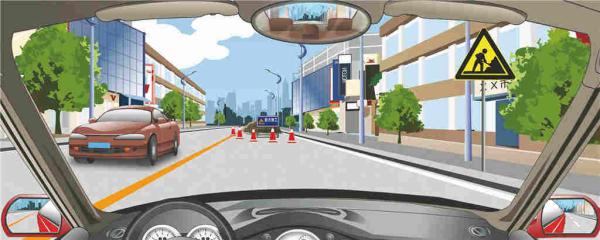
A. Right
B. Wrong
Answer: A
18. Drivers may turn left when seeing these hand signals.
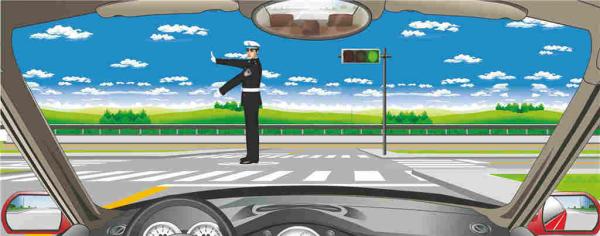
A. Right
B. Wrong
Answer: A
19. The sign on the right warns for disabled people ahead.

A. Right
B. Wrong
Answer: A
20. The sign on the right warns of a village 200 meters ahead.

A. Right
B. Wrong
Answer: A