

1. You should speed up through the section with this kind of traffic marking.
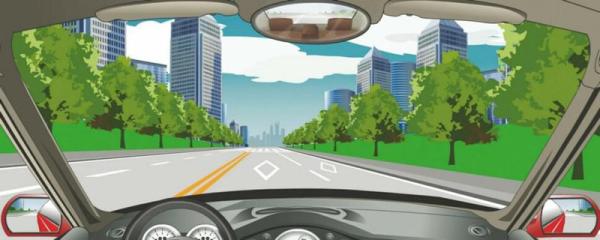
A. Right
B. Wrong
Answer: B
2. What is this instrument?
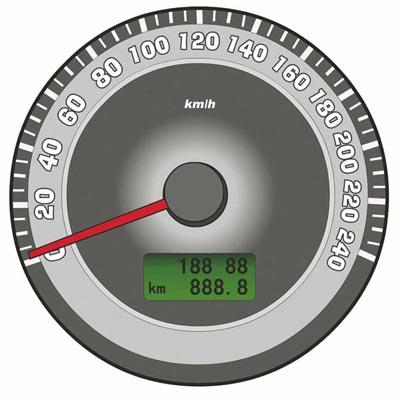
A. speed and mileage meter
B. engine tachometer
C. top speed meter
D. fuel consumption / 100 km
Answer: A
3. Whats the meaning of this sign?

A. observation deck
B. car park
C. rest area
D. parking space
Answer: A
4. The continuously flashing yellow light means that the vehicle may speed up and pass.
A. Right
B. Wrong
Answer: B
5. This set of the hand signals of the traffic police indicates that the vehicles should ___ .
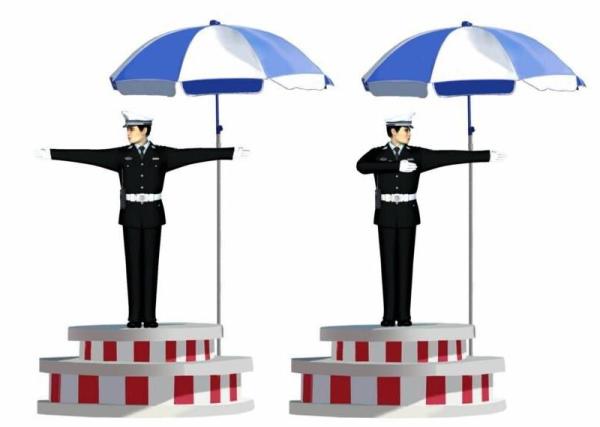
A. go straight
B. make a turn
C. stop
D. pull over
Answer: A
6. What kind of lane that the red car running in?
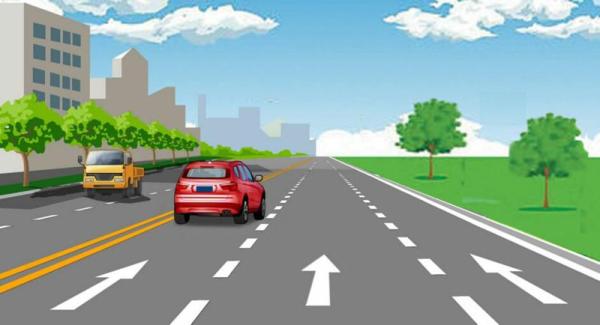
A. fast lane
B. slow lane
C. emergency lane
D. special lane
Answer: A
7. What kind of marking is the yellow broken line in the center of the road?
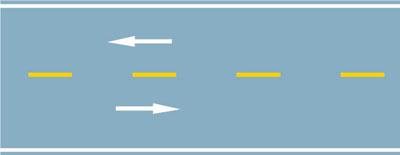
A. indicative marking
B. prohibitive marking
C. warning sign
D. auxiliary marking
Answer: A
8. What is this traffic sign?
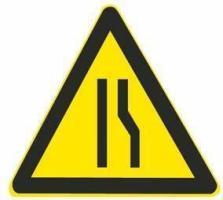
A. Road narrows on both sides
B. Road narrows on the right side
C. Road narrows on the left side
D. Bridge narrows
Answer: B
9. If the registration paper, license plate and vehicle license of a motorized vehicle are lost or destroyed, the vehicle owner should apply for reissuing or replacing them to the _______________.
A. traffic police detachment vehicle management station at the residential place
B. vehicle management station at the issuing place of the driving license
C. vehicle management station at the registration place
D. local police station
Answer: C
10. Before entering a level crossing, the vehicle should reduce speed and change to a lower gear, and _____ after entering the level crossing.
A. Cannot change gear
B. Can change gear
C. Can change to a higher gear
D. Stop and look
Answer: A
11. It lights to indicate that ______

A. the floor and the front fans work
B. air internal circulation
C. air external circulation
D. the side and the floor fans work
Answer: A
12. Which is correct in this kind of intersection?

A. make a U turn along the left lane
B. cannot make a U turn
C. make a U turn through the middle lane
D. make a U turn inside the intersection
Answer: B
13. In which situation should a small car driver need check?
A. the end of a scoring cycle
B. change driving license due to expiration
C. fail to reach 12 points in one scoring cycle
D. reach 12 points in one scoring cycle
Answer: B
14. What device does the switch of this symbol control?
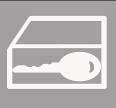
A. window glasses of both sides
B. electric door
C. door unlock
D. child safety lock
Answer: C
15. When causing a road accident involving property damage, the parties to the accident may leave the scene if they have no dispute over the fact and cause.
A. Right
B. Wrong
Answer: A
16. Whats the meaning of this sign?
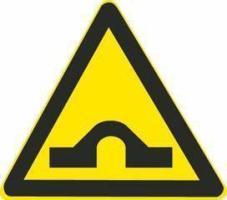
A. hump bridge
B. high outburst road
C. low-lying road
D. bump road
Answer: A
17. If a motorized vehicle driver has caused a major accident in violation of the traffic regulations which has caused human death, the driver is subject to a prison term of more than 3 years.
A. Right
B. Wrong
Answer: B
18. Which part of the driver can be protected by the safety pillow when there is a rear-end collision?
A. waist
B. chest
C. head
D. neck
Answer: D
19. What marking is the yellow broken line in the circle?
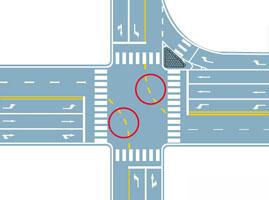
A. non-motorized vehicles guide lines
B. intersection guide line
C. lane connection lines
D. small vehicles turning lines
Answer: B
20. Causing a traffic accident due to violating the law and regulations on road traffic safety is the rule-breaking act.
A. Right
B. Wrong
Answer: B