

1. What does this symbol indicate?

A. snowy starting mode
B. air circulation
C. air condition cooling mode
D. cooling or warming fan
Answer: D
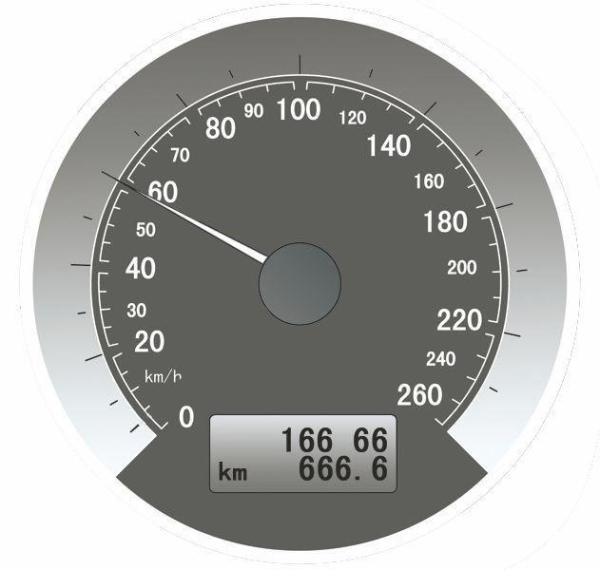
2. When a vehicle runs on an expressway, the driver may ascertain the speed according to his feeling.
A. Right
B. Wrong
Answer: B
3. It displays the current engine speed is 6000 rev / min.
A. Right
B. Wrong
Answer: B
4. Whats the meaning of this sign?
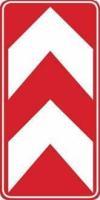
A. Passing on both sides
B. Passing is prohibited
C. Passing by the left side
D. Passing by the right side
Answer: A
5. May directly turn left in front of the vehicle coming opposite when encountering this traffic light.
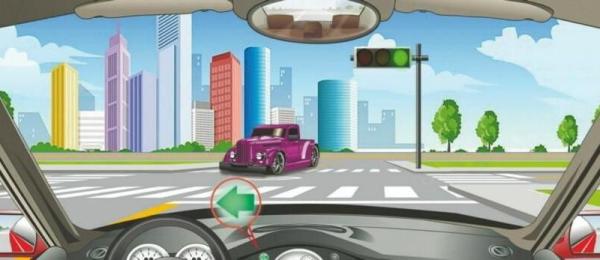
A. Right
B. Wrong
Answer: B
6. You may not use the turn signal when you change to the right lane.
A. Right
B. Wrong
Answer: B
7. What is this instrument?
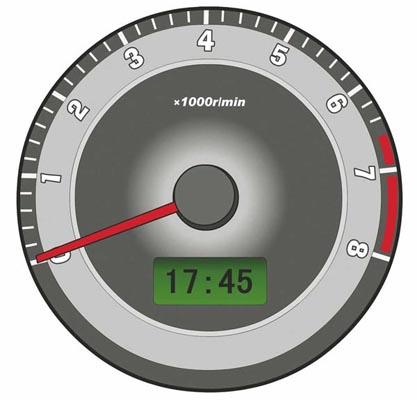
A. engine tachometer
B. driving speed meter
C. interval mileage meter
D. fuel consumption / 100 km
Answer: A
8. When there is a continuous rain, the shoulders of the mountain roads may become loose and the embankments may collapse. When driving in this weather, the driver should select the middle solid road and refrain from going close to the roadsides.
A. Right
B. Wrong
Answer: A
9. Whats the meaning of this sign?
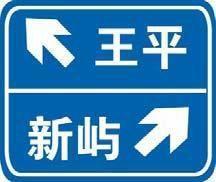
A. ring intersection ahead
B. intersection ahead
C. Y-shaped intersection ahead
D. T-shaped intersection ahead
Answer: C
10. When entering an expressway toll gate, the driver should select a gate where _______.
A. There are more vehicles
B. The red light is on
C. The green light is on
D. Service is temporarily suspended
Answer: C
11. Whats the meaning of this sign?

A. crosswalk lights
B. watch for pedestrians
C. attention to traffic lights
D. intersection
Answer: C
12. Whats the meaning of this sign?

A. the lane for non-motorized vehicles
B. yield non-motorized vehicles
C. no passing for non-motorized vehicles
D. watch for non-motorized vehicles
Answer: D
13. Whats the meaning of this sign?
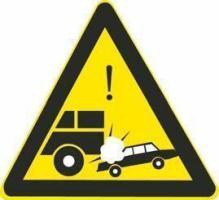
A. accident-prone section
B. construction section
C. reducing speed and going slowly section
D. jammed section
Answer: A
14. Whats the meaning of the white rectangle marking?
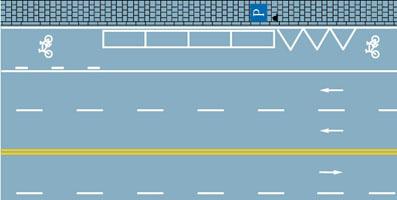
A. special space for taxicabs to take and drop passengers
B. horizontal parking space
C. inclined parking space
D. vertical parking space
Answer: B
15. Opening the doors of a motorized vehicle should not obstruct the flow of other vehicles and pedestrians.
A. Right
B. Wrong
Answer: A
16. The double yellow solid lines in the middle of the road are used to separate the traffic flow in opposite directions, crossing the lines to overtake or make a turn is allowed if it is safe.
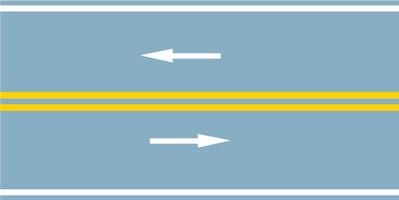
A. Right
B. Wrong
Answer: B
17. Whats the meaning of this sign?
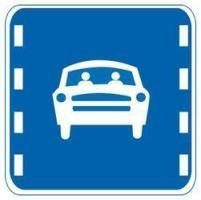
A. special lane for small vehicles
B. special lane for motorized vehicles
C. special lane for taxis
D. special lane for multi-passenger vehicles
Answer: D
18. The validity of the driving license which is initially applied for is ______
A. 3 years
B. 5 years
C. 6 years
D. 12 years
Answer: C
19. It flashes when breaking down.

A. Right
B. Wrong
Answer: B
20. You should speed up to go through the railway crossing in this case.
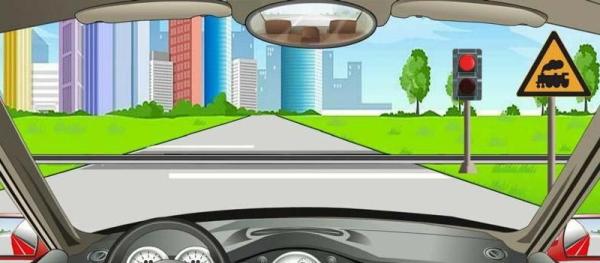
A. Right
B. Wrong
Answer: B