

1. The sign on the right indicates left turn only at the intersection ahead.
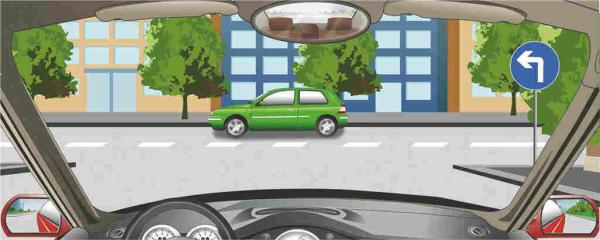
A. Right
B. Wrong
Answer: A
2. The distance-ascertaining section of an expressway is used for the drivers to ascertain the safety distance when the speed is 100 kilometers per hour.
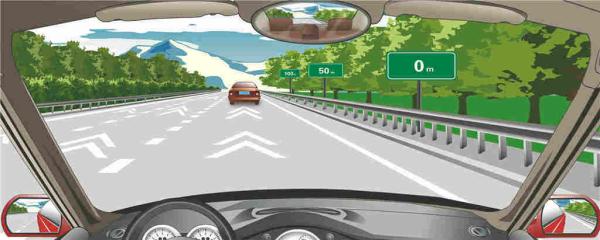
A. Right
B. Wrong
Answer: A
3. This sign indicates the traffic broadcast and radio television channel of highway.
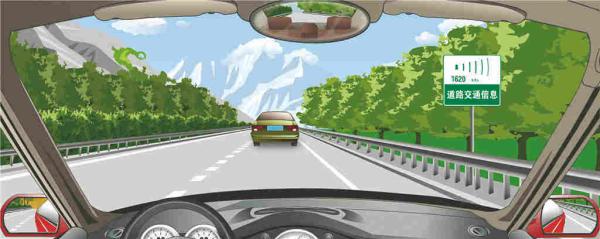
A. Right
B. Wrong
Answer: B
4. Motor vehicle drivers may make a U-turn in the broken line area as long as it will not affect the normal traffic flow.
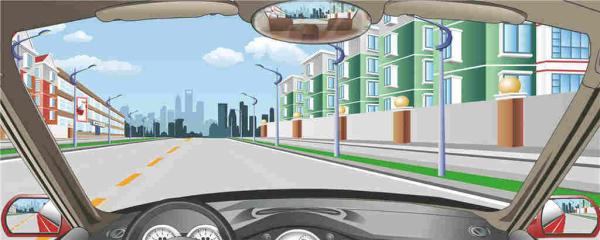
A. Right
B. Wrong
Answer: A
5. When driving in a heavy rain, drivers should contro their speed to prevent their vehicles from sliding.
A. Right
B. Wrong
Answer: A
6. When a fast-moving vehicle encounters an emergency the driver should turn to evade first and then brake to slow down so as to mitigate the damage.
A. Right
B. Wrong
Answer: B
7. What should motor vehicle drivers do under the circumstances shown in the flash?
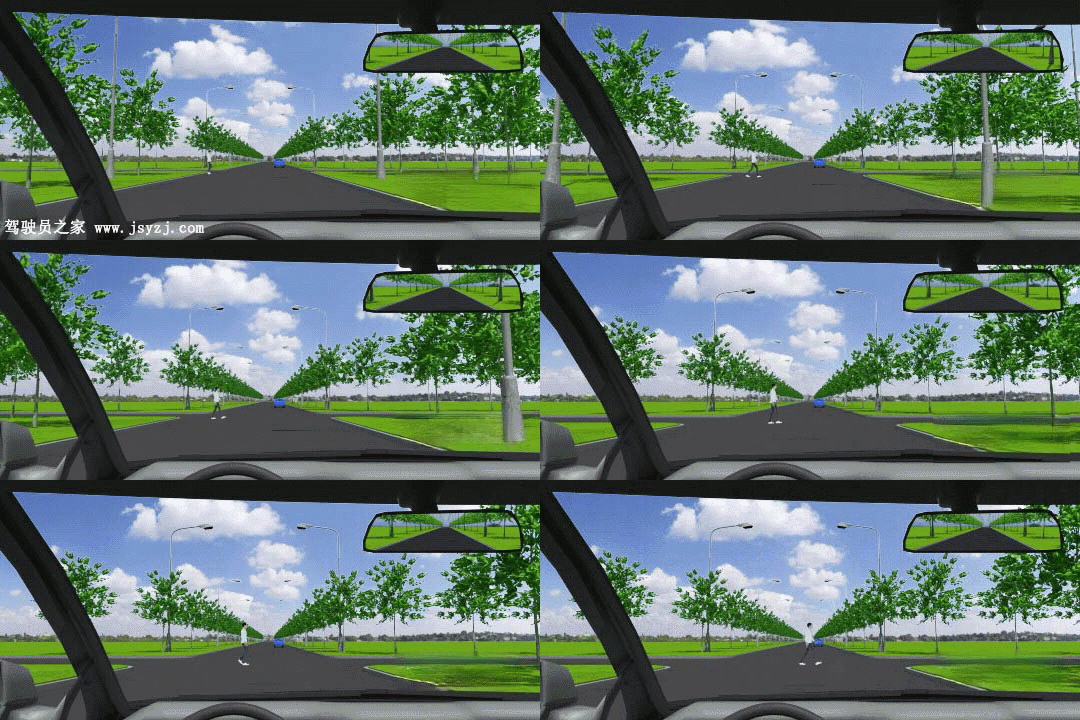
A. Reduce speed or stop to yield
B. Sound the horn to warn the pedestrians to yield
C. Pass before the pedestrians
D. Immediately change to another lane to bypass the pedestrians
Answer: A
8. How many kinds of law-breaking acts are displayed in flash 7?
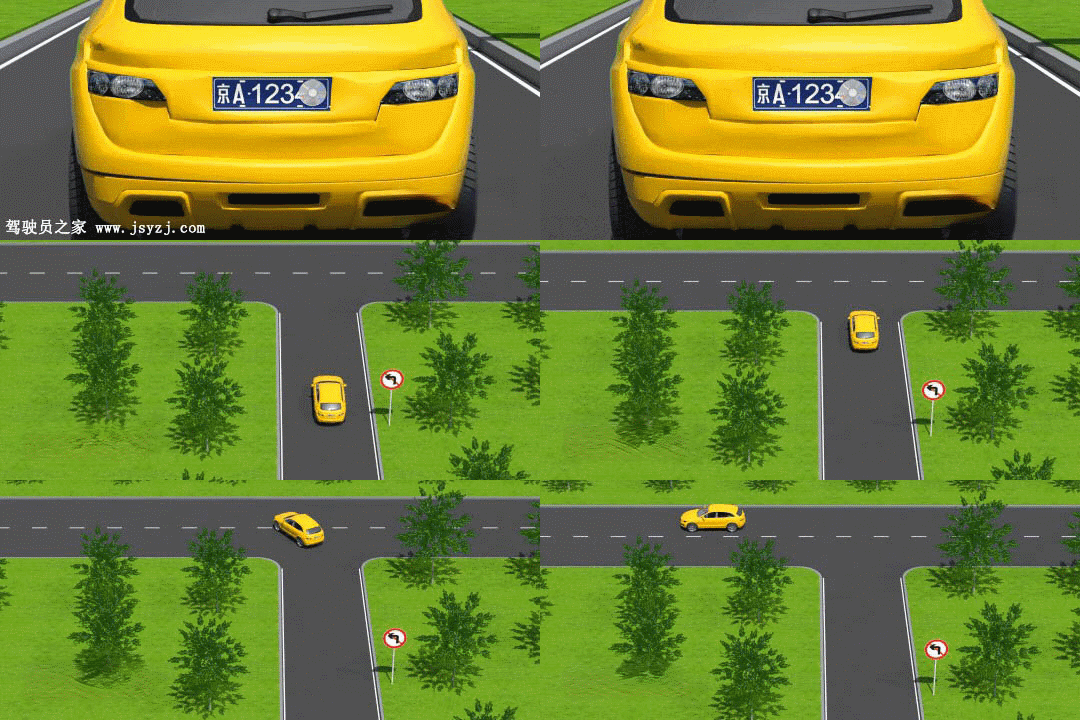
A. One
B. Two
C. Three
D. Four
Answer: B
9. When there is no bandage for rescuing a wounded person, which of the following measures is wrong?
A. Dress the wounds with a handkerchief
B. Dress the wounds with a towel
C. Dress the wounds with cotton clothes
D. Dress the wounds with string
Answer: D
10. Crossing the broken white line on the right edge of the road is allowed.
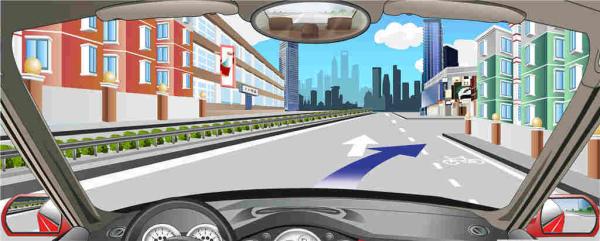
A. Right
B. Wrong
Answer: A
11. The driver should turn on the left-turn indicator after entering the acceleration lane on an expressway.
A. Right
B. Wrong
Answer: B
12. When a motor vehicle catches fire, the driver should swiftly turn off the engine and open the hood to extinguish the fire.
A. Right
B. Wrong
Answer: B
13. Drivers may temporarily cross these central broken and solid yellow lines when overtaking.
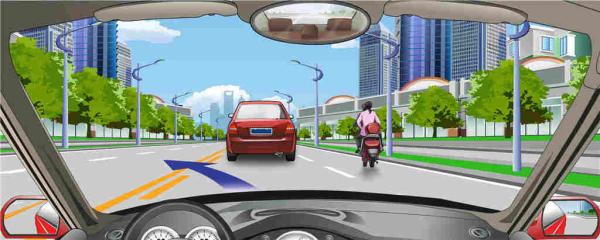
A. Right
B. Wrong
Answer: A
14. Drivers are not allowed to drive on or across these filled-in slanted yellow lines.
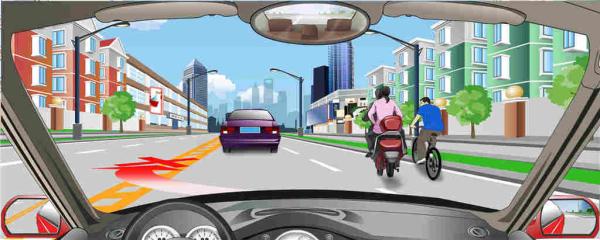
A. Right
B. Wrong
Answer: A
15. The sign on the right warns of an unguarded railway crossing 150 meters ahead.
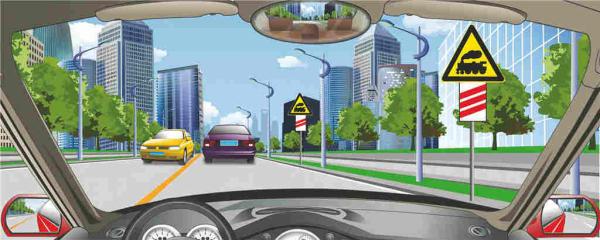
A. Right
B. Wrong
Answer: A
16. Mr. Tao drove a midsize bus with 33 passengers. At the spot of 163 kilometers on the South Xuping Expressway, the bus clashed at a speed of 120 kilometers per hour with Mr. Ans minibus parked without any warning signs on the inside lane, due to breakdown after an accident. The midsize bus overturned after collided with the guardrail on the right-hand side. As a result of the accident, 16 people were killed and 15 injured. What are the main illegal acts of the two drivers?
A. Mr. Tao carried more passengers than permitted
B. Mr. Tao exceeded speed limit
C. Mr. An failed to place any warning signs in accordance with relevant stipulations
D. Mr. An was illegally parked
Answer: ABC
17. For a temporary stop on a foggy day, the driver should only turn on the fog lamp and the low-beam
A. Right
B. Wrong
Answer: B
18. Which one of the following is the safest way when driving a motor vehicle on this road?
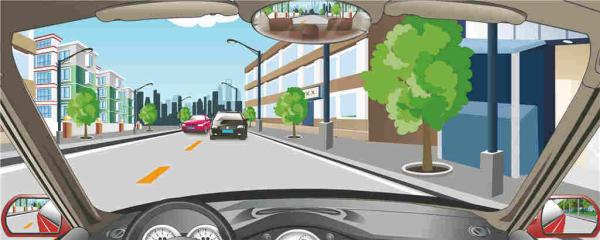
A. Cutting speed or stopping to yield
B. Driving along the center of the road
C. Keeping a normal speed
D. Approaching vehicles by taking the opposite lane
Answer: A
19. The road marker indicates that vehicles are only allowed to turn right at the intersection ahead.
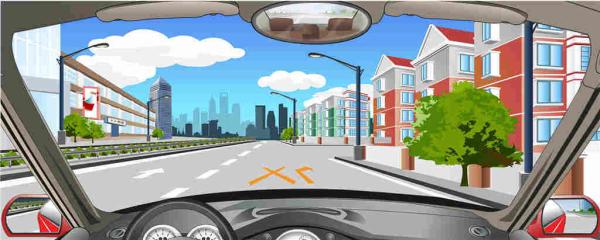
A. Right
B. Wrong
Answer: B
20. When encountering a situation like changing to a left lane, motor vehicle drivers should yield.

A. Right
B. Wrong
Answer: A