

1. When a head-on collision with another vehicle is unavoidable, what should the driver do?
A. Change head-on collision to side collision
B. Immediately turn the steering wheel to the right side to evade
C. Immediately apply emergency braking
D. Immediately turn the steering wheel to the left side to evade
Answer: C
2. As shown in the flash, when overtaking a vehicle in front, the driver should make the horizontal distance as large as possible and may cross the solid line if necessary.

A. Right
B. Wrong
Answer: B
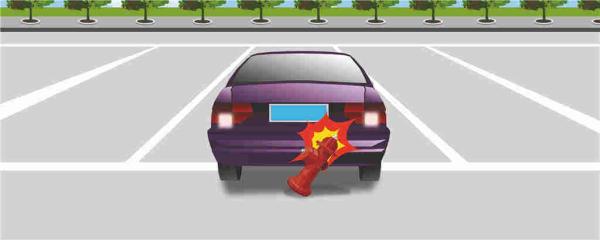
3. The leading cause of this accident is that the driver failed to make sure that it was safe to reverse before doing so.
A. Right
B. Wrong
Answer: A
4. Under the circumstances shown in the flash, what should be done by the vehicle in front?
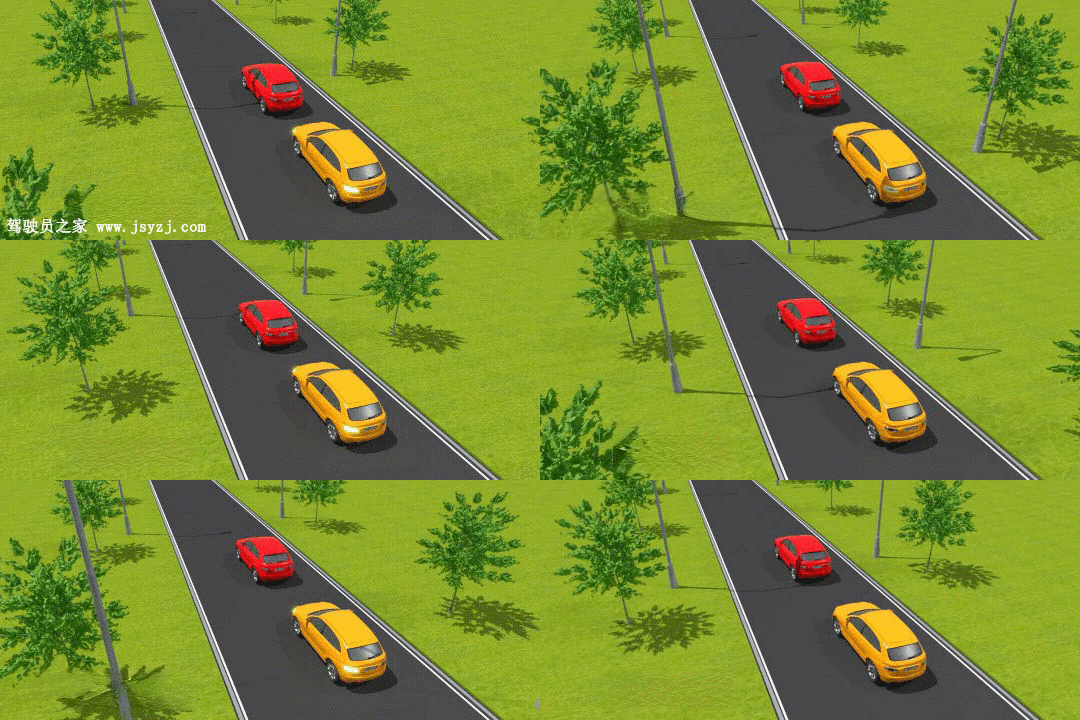
A. Reduce speed swiftly or apply emergency brake
B. Drive at a higher speed after giving a proper space
C. Reduce speed and yield by the right side of the road
D. Drive at a higher speed by the right side of the road
Answer: C
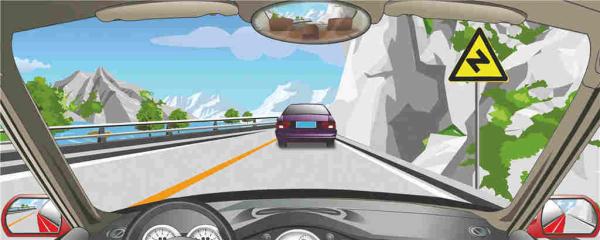
5. The sign on the right warns of three or more winding roads ahead.
A. Right
B. Wrong
Answer: B
6. When driving on a muddy road, the driver should hold the steering wheel firmly and speed up to pass through.
A. Right
B. Wrong
Answer: B
7. Motor vehicle drivers should use the windscreen wiper when setting off on a rainy day
A. Right
B. Wrong
Answer: A
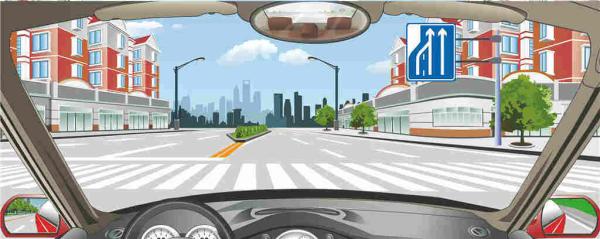
8. The sign on the right indicates that the number of the lanes ahead will increase.
A. Right
B. Wrong
Answer: B
9. The sign on the right warns of a guarded railway intersection ahead.
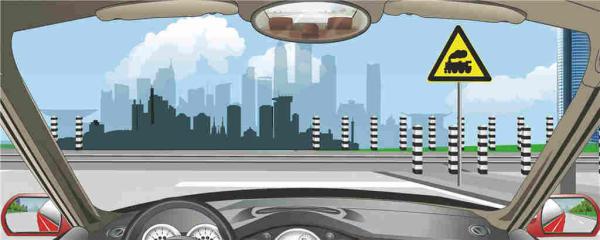
A. Right
B. Wrong
Answer: B
10. Under such circumstances, what should be done by the motor vehicle driver?

A. Overtaking the vehicle in front on its left
B. Overtaking by occupying the opposite lane
C. Overtaking the vehicle in front on its right
D. Following the vehicle in front
Answer: D
11. This sign warns that the section ahead is under traffic monitoring.
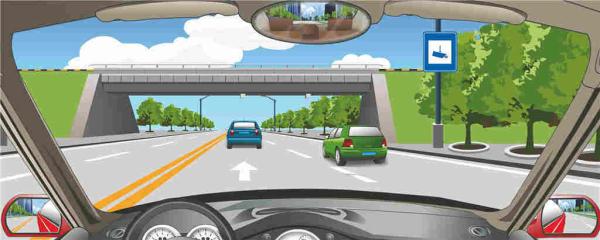
A. Right
B. Wrong
Answer: A
12. When driving, besides paying attention to keeping a safe distance from the vehicle in front, drivers should also be prudent when braking so as to avoid a rear-end collision caused by a vehicle behind.
A. Right
B. Wrong
Answer: A
13. When a collision occurs on the passenger seat side or the impact is relatively small, which of the following methods is incorrect?
A. Firmly holding the steering wheel
B. Stretching both feet forward
C. Jumping out of the vehicle from one side
D. Leaning body backwards against the seat
Answer: C
14. After a tire bursts and before the driver can control the speed of the vehicle, he should not risk using the foot brake to stop the vehicle. Otherwise, a horizontal swing of the vehicle can cause greater danger.
A. Right
B. Wrong
Answer: A
15. A motor vehicle should slow down and stop at this level crossing.
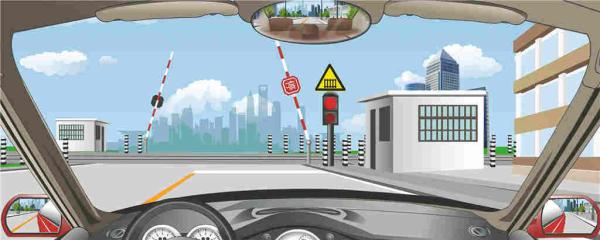
A. Right
B. Wrong
Answer: A
16. The sign in the red circle indicates that vehicles except non-motor vehicles are not allowed to drive in this lane.
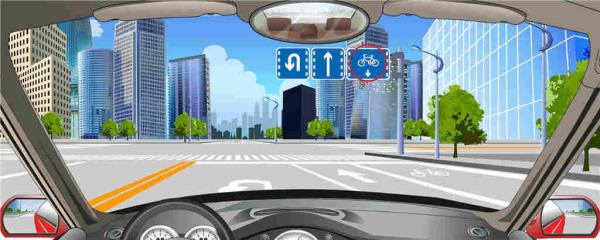
A. Right
B. Wrong
Answer: A
17. How many kinds of law-breaking acts are displayed in flash 7?
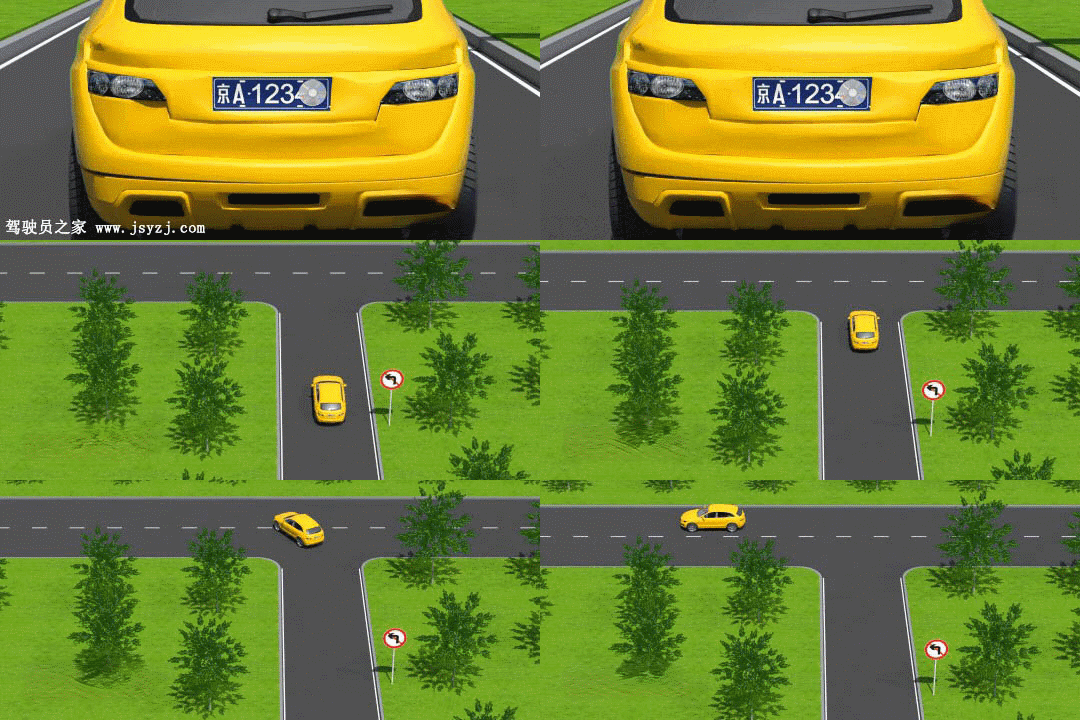
A. One
B. Two
C. Three
D. Four
Answer: B
18. The sign on the right warns of an embankment road 200 meters ahead.
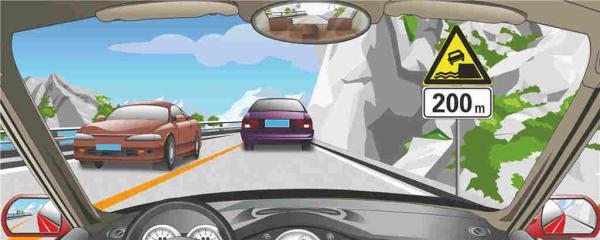
A. Right
B. Wrong
Answer: A
19. When steering failure happens to a fast moving motor vehicle, what should the driver do?
A. Apply emergency braking
B. Immediately change to a low gear
C. Reasonably use the driving brake and the stopping brake and refrain from applying emergency braking
D. Turn on the hazard lamps
Answer: BCD
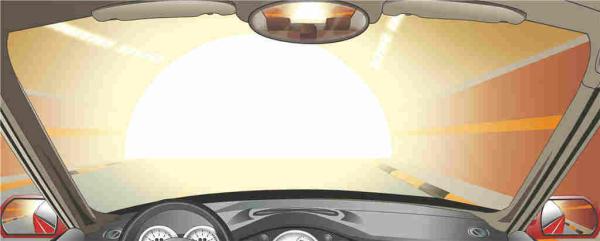
20. When a motor vehicle approaches the exit of a tunnel the driver should firmly hold the steering wheel to prevent any harmful effects of a strong side wind.
A. Right
B. Wrong
Answer: A