

1. When encountering a school bus which stops at the right roadside and students are embarking or disembarking, what should motor vehicle drivers do?
A. If there is only one motor vehicle lane in each direction, motor vehicle drivers behind the bus should stop and wait.
B. If there are two motor vehicle lanes in each direction, motor vehicle drivers in the left lane behind the bus may overtake the bus at a lower speed
C. If there are three motor vehicle lanes in each direction, motor vehicle drivers in the middle lane behind the bus should stop and wait
D. If there are three motor vehicle lanes in each direction, motor vehicle drivers in the left lane behind the bus may pass at a lower speed
Answer: ACD
2. What action is important on this kind of mountain road?
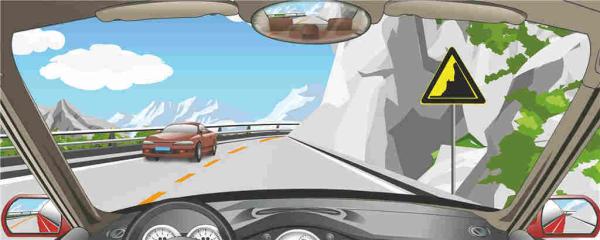
A. Take care of the dangerous hillside road on the left
B. Drive on the left
C. Drive along the central line of the road
D. Drive on the right side and pass slowly
Answer: D
3. The broken white reflective line on the road warns that drivers should drive at a lower speed on the road section ahead.
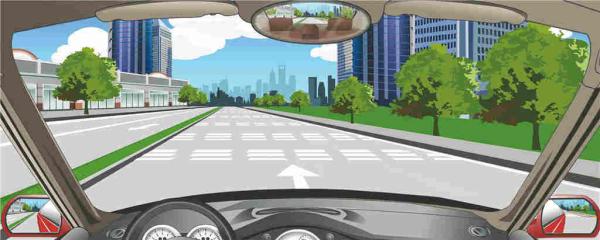
A. Right
B. Wrong
Answer: A
4. When a motor vehicle on an expressway stops in an emergency due to breakdown or an accident, what should the driver and the passengers do?
A. Stand in front of the motor vehicle
B. Wait in the motor vehicle for rescue
C. Stand behind the motor vehicle
D. Promptly move to the road shoulder on the right side or the emergency lane
Answer: D
5. The sign on the right warns of low-lying road ahead.

A. Right
B. Wrong
Answer: A
6. Under such circumstances, what should be done by motor vehicle drivers in order to maintain safe driving?
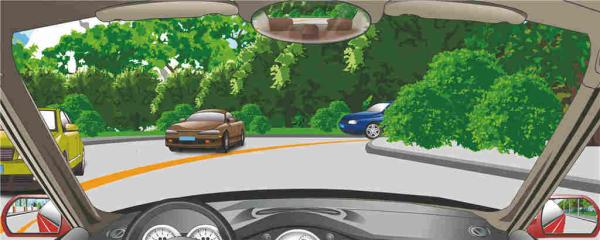
A. Sound the horn or turn on the headlamps
B. Reduce speed or drive on the right side
C. Keep to the central line as best as possible
D. Drive on the left side of the road
Answer: B
7. vehicles may stop temporarily in this area.
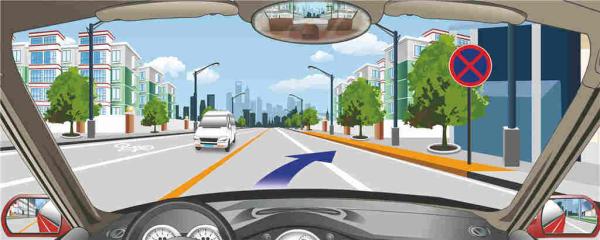
A. Right
B. Wrong
Answer: B
8. The cross-hatched marking indicates an area where vehicle drivers are allowed to stop and wait.
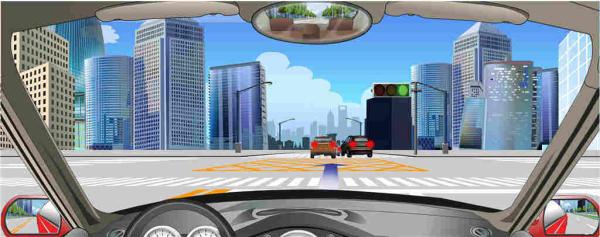
A. Right
B. Wrong
Answer: B
9. When the engine suddenly stalls on the road and cannot be restarted, the driver should pull over in a timely fashion and identify the cause of the stalling.
A. Right
B. Wrong
Answer: A
10. The sign on the right indicates left turn only at the intersection ahead.
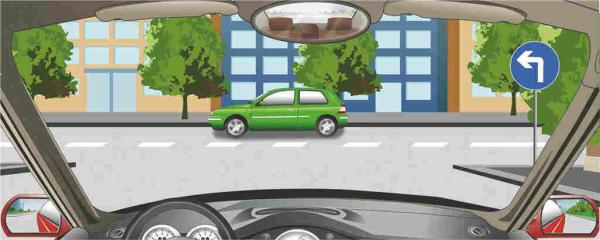
A. Right
B. Wrong
Answer: A
11. How to reduce speed or stop when driving on a road covered with snow and ice?
A. Take full advantage of driving brake
B. Take full advantage of the control power from engine
C. Take full advantage of parking brake
D. Take full advantage of speed retarder
Answer: B
12. When driving on a foggy day, the driver should turn on the fog lamp.
A. Right
B. Wrong
Answer: A
13. When encountering a situation like changing to a left lane, motor vehicle drivers should yield.

A. Right
B. Wrong
Answer: A
14. When the engine suddenly stalls on the road and cannot be restarted, the driver should apply emergency braking to force the vehicle to stop as fast as possible.
A. Right
B. Wrong
Answer: B
15. The sign in front is an advance announcement of famous places and distances en route.
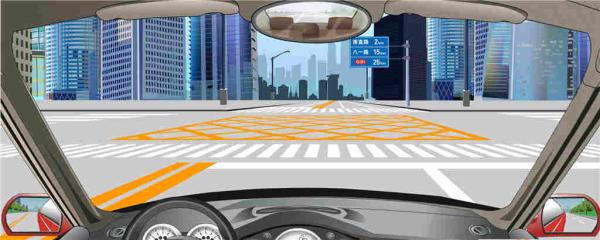
A. Right
B. Wrong
Answer: A
16. The sign on the right warns for livestock on the road ahead.

A. Right
B. Wrong
Answer: B
17. What should be done by drivers in order to safely pass through the curve in this condition?

A. Reduce speed and drive on the right side
B. Drive on the central line of the road
C. Drive on the outer side of the curve
D. Drive by borrowing the opposite lane
Answer: A
18. The guide arrow on the road surface of this lane indicates that drivers are only permitted to continue straight at the intersection ahead.
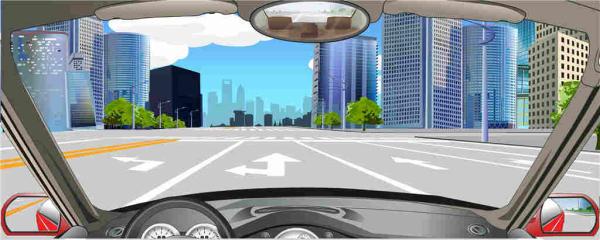
A. Right
B. Wrong
Answer: B
19. What should the driver do upon finding that one of the left tires is leaking while driving?
A. Brake slowly to slow down
B. Brake swiftly to slow down
C. Turn to the right side swiftly
D. Apply emergency braking
Answer: A
20. Under such circumstances, motor vehicle drivers should reduce speed by the right side swiftly and yield.
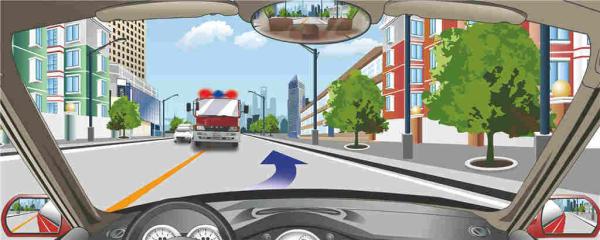
A. Right
B. Wrong
Answer: A