

1. Under such circumstance at an intersection. motor vehicle drivers should be prepared to stop and yield at any time.
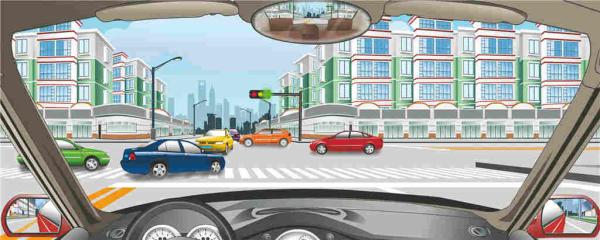
A. Right
B. Wrong
Answer: A
2. What is the main impact of foggy weather on safe driving?
A. Easy to slide sideways
B. Low visibility
C. Increase the resistance
D. Widen the field of vision
Answer: B
3. When an erosive material catches fire, it should not be put out with water cannon.
A. Right
B. Wrong
Answer: A
4. The sign on the right indicates the road width ahead is limited to 3 meters.
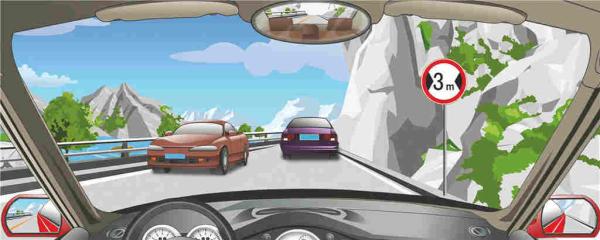
A. Right
B. Wrong
Answer: A
5. The road marker on the right side indicates that drivers may overtake by borrowing this road.
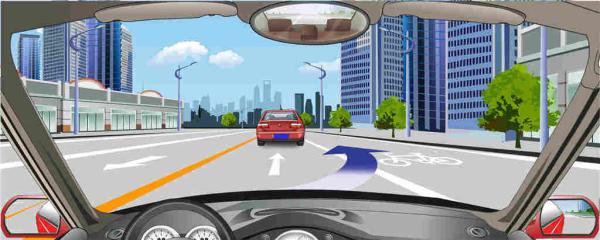
A. Right
B. Wrong
Answer: B
6. Those traffic police signals mean turning right.
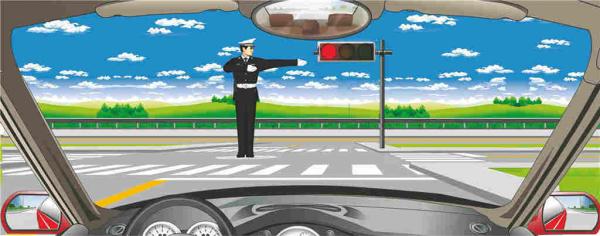
A. Right
B. Wrong
Answer: B
7. Which of the following is an inflammable solid material?
A. Matches
B. Gun powder
C. Calcium carbide
D. Explosives
Answer: A
8. Which one of the following is the safest way to pass the oncoming vehicle on this road?
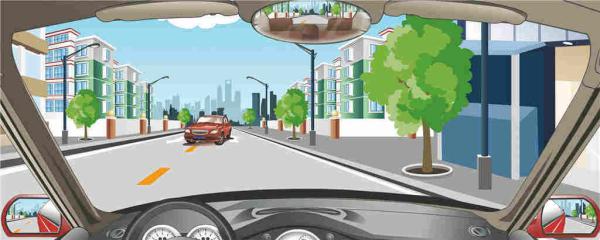
A. Driving along the central line
B. Driving with headlamp on
C. Yielding by the right side of the road
D. Yielding by the left side of the oncoming vehicle
Answer: C
9. It is not a bad habit for a driver to frequently change lanes.
A. Right
B. Wrong
Answer: B
10. The sign on the right warns for children on the section ahead.
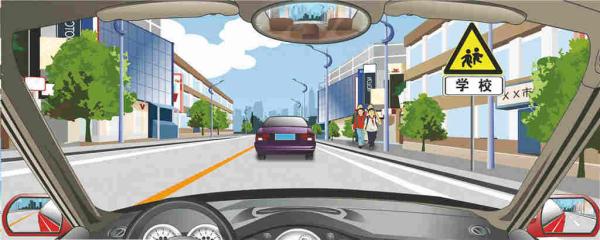
A. Right
B. Wrong
Answer: A
11. As shown in this flash, what should the motor vehicle driver do when encounters this situation?
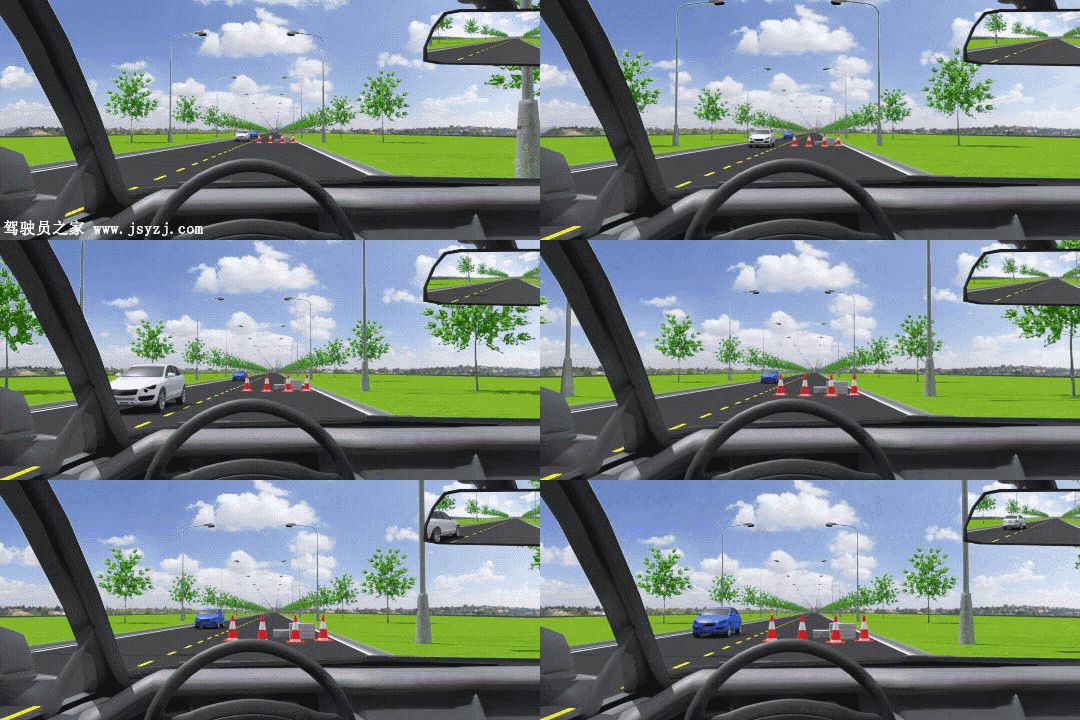
A. Use the mergency brake
B. Turn sharply and pass rapidly
C. Slide over rapidly without encountering collision
D. Stop smoothly
Answer: D
12. When fixing the unexposed bones in position, it is necessary to exceed the upper and lower joints of the wounded body part.
A. Right
B. Wrong
Answer: A
13. How will the adhesive force of road change when speed increases on a damp and slippery road?
A. Increase sharply
B. Increase gradually
C. decrease sharply
D. No change
Answer: C
14. When a motor vehicle approaches the exit of a tunnel the driver should firmly hold the steering wheel to prevent any harmful effects of a strong side wind.
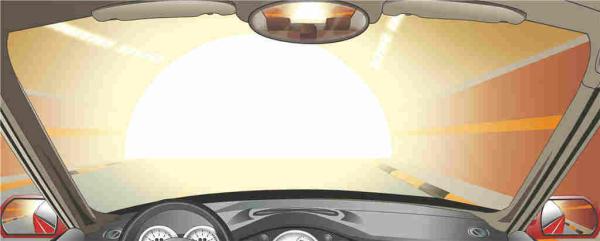
A. Right
B. Wrong
Answer: A
15. What matters need attention when driving on a rainy day?
A. Avoid using the emergency brake or making sharp turns
B. Keep a safe enough distance
C. Observe the traffic situation of non-motor vehicles and surrounding pedestrians
D. Drive at a safe speed
Answer: ABCD
16. At 13: 10 pm, Mr. Luo set out in his medium bus from 0 km mark on the highway, and by 14: 10 had passed the 125km mark by 200 meters, he caused a rear-end collision with a motor vehicle that ran into the side slope on the southwest side, killing 11 people and injuring 2. Which of the following law-breaking acts did Mr. Luo commit?
A. Speeding
B. Driving not in accordance with traffic markings
C. Exceeding carrying capacity
D. Fatigued driving
Answer: A
17. The driver should take emergency evasion measures when the motor vehicle suddenly self-ignites. Which ones of the following methods are correct?
A. Spray clean water to extinguish the fire
B. Report to the police
C. Use the spare fire extinguisher in the vehicle to put out the fire
D. Set up a warning sign in the oncoming direction
Answer: BCD
18. Gun powder, explosives and detonating powder belong to which of the following dangerous chemicals?
A. Oxidizing materials
B. Inflammable solid materials
C. Explosives
D. Self-igniting articles
Answer: C
19. The sign on the right warns of a winding road to the left ahead.

A. Right
B. Wrong
Answer: B
20. When a motor vehicle breaks down on a mountain road, what should the driver do?
A. Park on a downhill section
B. Park on an uphill section
C. Park on a gentle section of the mountain road
D. Park on the crest of a slope
Answer: C