

1. Motor vehicles are not permitted to change lanes in this position.

A. Right
B. Wrong
Answer: A
2. The sign on the right indicates a bypass route at the intersection ahead.
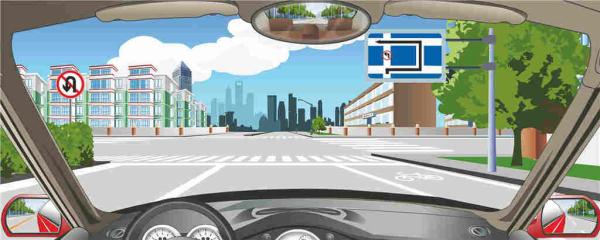
A. Right
B. Wrong
Answer: A
3. Which one of the following measures is correct when a motor vehicle intends to overtake but the vehicle in front refuses to yield?
A. Use a long-sounding horn
B. Follow the vehicle in front while turning high-beam
C. Wait for it to yield while keeping a safe distance
D. Use high-beam and low-beam alternatively
Answer: C
4. This sign warns to bypass from either side to avoid roadblock.

A. Right
B. Wrong
Answer: A
5. What should the driver do if he wants to turn right at this intersection?
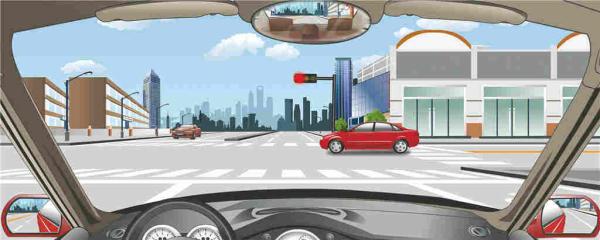
A. Turn right along the straight-going lane
B. Wait behind the stop line
C. Turn right along the right lane
D. Borrow the non-motor vehicle lane and turn right
Answer: C
6. When driving a vehicle equipped with power steering what should the driver do upon finding that steering is difficult?
A. Stop and identify the cause
B. Control the steering and drive slowly
C. Drive at a lower speed
D. Keep the vehicle going straight
Answer: A
7. At this intersection, motor vehicle drivers may directly make a U-turn along the U-turn turning lane.
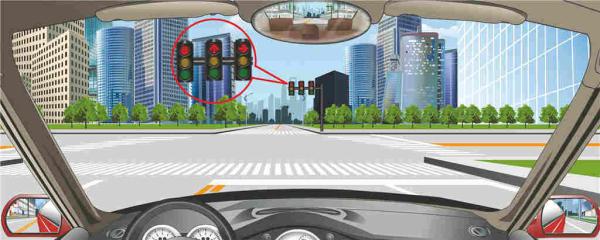
A. Right
B. Wrong
Answer: B
8. When a front tire bursts, after controlling the driving direction, what should be done by the driver in order to slow down and stop?
A. Immediately change to a high gear
B. Immediately change to a low gear
C. Immediately change to the neutral gear
D. Apply emergency braking
Answer: B
9. When driving on a foggy day, the driver should turn on the fog lamp.
A. Right
B. Wrong
Answer: A
10. When a tire bursts suddenly on the road, the driver should refrain from violently depressing the brake pedal in panic. Instead, he should try his best to change to a low gear and use engine braking to reduce the speed of the vehicle.
A. Right
B. Wrong
Answer: A
11. When a motor vehicle enters an expressway from the ramp, which of the following lamps should be turned on?
A. The left-turn indicator
B. The right-turn indicator
C. The hazard warning lamp
D. The headlamp
Answer: A
12. When reversing in this condition, in which of the following ways can motor vehicle drivers keep safe?

A. Reverse at a lower speed
B. Voluntarily stop and yield
C. Continuously sound the horn to alert
D. Reverse in a clockwise direction
Answer: B
13. Which one of the following statements is correct in this situation?
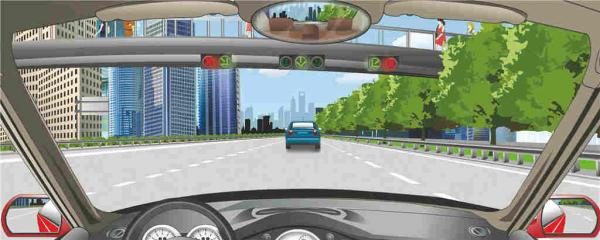
A. Vehicles are prohibited from passing in the lanes on either side
B. Move into the lane on either side at a reduced speed
C. Move into the lane on the right side
D. Move into the lane on either side at an increased speed
Answer: A
14. When encountering an obstacle on one side of the road, what should vehicles do as they approach each other?
A. The vehicle not encountering an obstacle should Yield to the other vehicle
B. The slower vehicle should yield to the faster
C. The vehicle encountering an obstacle should yield to the other vehicle
D. The faster vehicle should yield to the slower
Answer: C
15. When a motor vehicle encounters an accident on an expressway, the driver and all passengers should not get off the vehicle and walk around at will.
A. Right
B. Wrong
Answer: B
16. Drivers may turn left when seeing these hand signals.
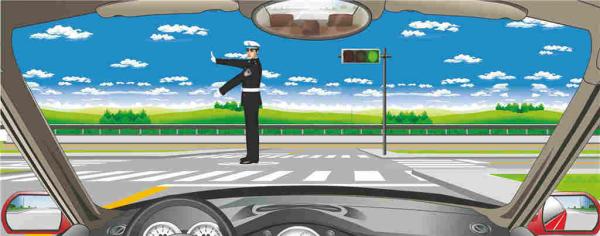
A. Right
B. Wrong
Answer: A
17. What should the driver do when the motor vehicle passes a flyover?
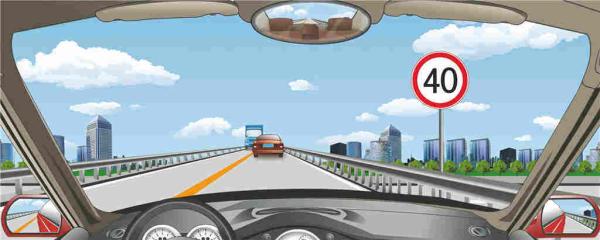
A. Speed up and pass rapidly
B. Keep the speed under 15 km/hour
C. Drive at the speed indicated by the traffic sign
D. Drive close to the central line of the flyover
Answer: C
18. The road marker indicates that vehicles are only allowed to turn right at the intersection ahead.
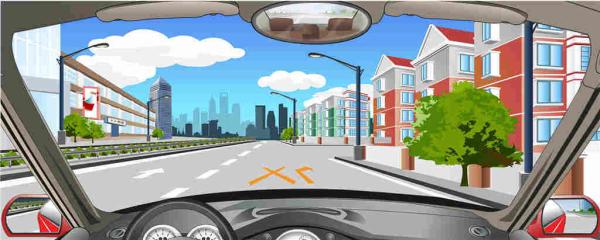
A. Right
B. Wrong
Answer: B
19. The sign in front indicates the distance to highway destination.

A. Right
B. Wrong
Answer: B
20. This sign indicates the traffic broadcast and radio television channel of highway.
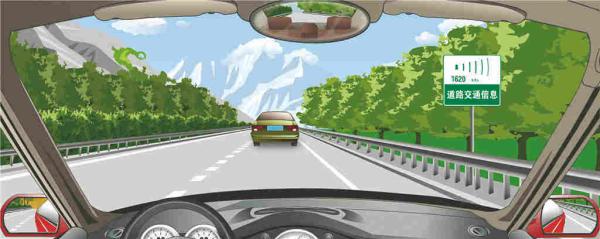
A. Right
B. Wrong
Answer: B