

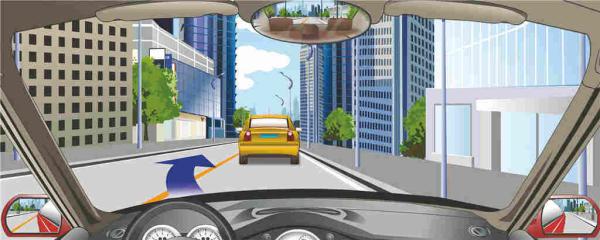
1. Motor vehicles drivers may overtake by borrowing the opposite lane on this kind of road.
A. Right
B. Wrong
Answer: B
2. Sideslip happens most easily on which one of the following road surfaces?
A. Dry concrete road
B. Road surface at the beginning of rain
C. Damp concrete road surface
D. Road in heavy rain
Answer: B
3. When there is a braking failure on a downhill road, what should not be done by the driver?
A. Steering the motor vehicle to the uphill direction
B. Stopping the vehicle by rubbing the vehicle body against the rocks or trees on roadside
C. Driving to the emergency lane and stop the vehicle there
D. Pulling up the stopping brake or change the gear to two positions lower
Answer: D
4. A driver should accelerate in advance to overtake then it is likely to meet with oncoming vehicles.
A. Right
B. Wrong
Answer: B
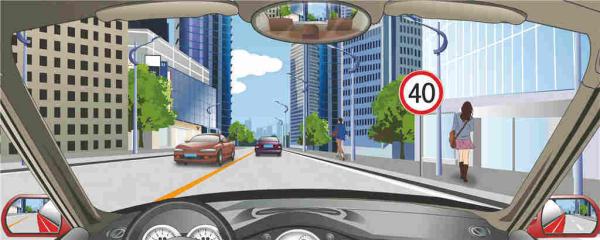
5. The sign on the right indicates that the speed limit of 40km/hour is lifted on the road ahead.
A. Right
B. Wrong
Answer: B
6. Which of the following is an inflammable solid material?
A. Matches
B. Gun powder
C. Calcium carbide
D. Explosives
Answer: A
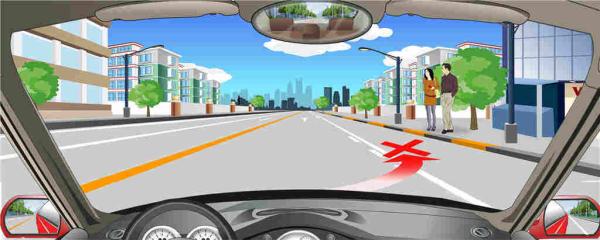
7. The yellow broken line on the curb indicates that vehicles are not allowed to stop and let passengers embark or disembark or load and unload freight at the roadside.
A. Right
B. Wrong
Answer: B
8. Mr. Li drove a large bus with 21 passengers (capacity 35 people). He found the braking system was abnormal on the way but failed to repair it. When running on the Shuangdao Haiwan Bridge at a speed of 50 kilometers per hour (speed limit 40 km/h), the bus fell into the sea due to a braking system failure, killing 13 people and injuring 8. What is the main illegal act committed by Mr. Li?
A. Speeding
B. Fatigued driving
C. Carrying more passengers than permitted
D. Driving a motor vehicle with potential safety hazard
Answer: AD
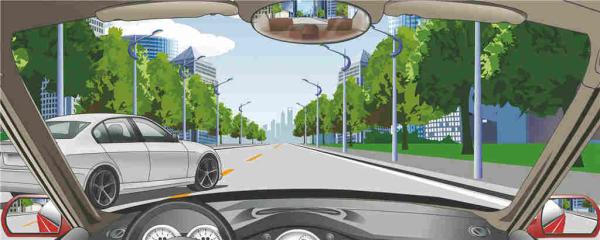
9. Under such circumstances, what should be done by the motor vehicle driver who has been overtaken?
A. Sounding the horn to warn the vehicle that overtook
B. Reducing speed or pulling over by the right side
C. Protesting by turning on the high-beam
D. Catching up with and overtaking the vehicle that overtook, and offering admonitions
Answer: B
10. Drivers are allowed to cross the broken and solid white line on the road when changing lanes or pulling over.
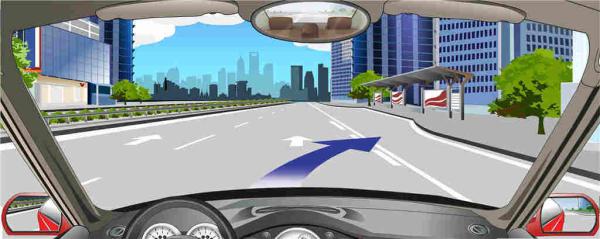
A. Right
B. Wrong
Answer: A
11. What should drivers do when encountering a rainstorm on a common road and the windscreen-wiper fails to make sight clear?
A. Drive at a reduced speed
B. Drive carefully
C. Cut speed in time and pull over
D. Drive at a normal speed
Answer: C
12. The road marker indicates that vehicles are not allowed to make a U-turn at the intersection ahead.
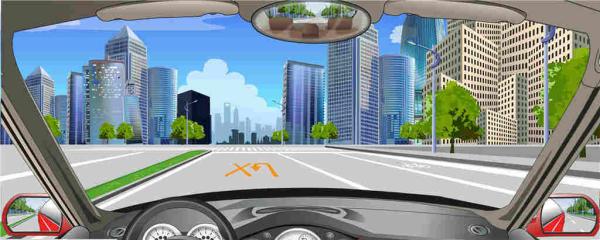
A. Right
B. Wrong
Answer: A
13. When driving on a muddy road, what should the driver do?
A. Try to avoid using the foot brake
B. Drive slowly in mid or low gear
C. Firmly hold the steering wheel
D. Speed up and pass through
Answer: ABC
14. This sign indicates the traffic broadcast and radio television channel of highway.
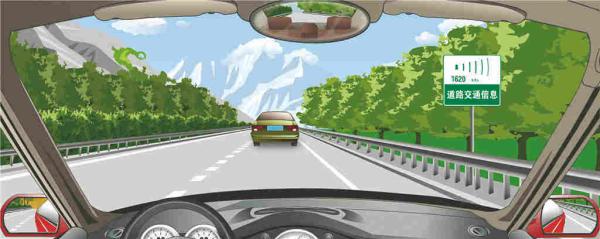
A. Right
B. Wrong
Answer: B
15. Under such circumstances, motor vehicle drivers should follow the vehicle in front and drive into the Intersection to wait.
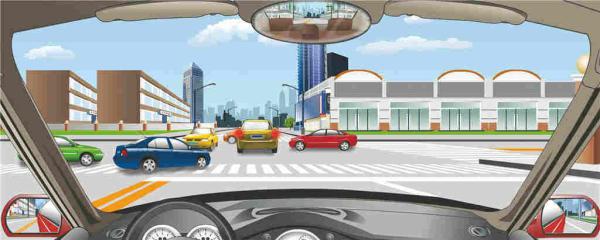
A. Right
B. Wrong
Answer: B
16. The sign in front indicates the name and number of the highway.
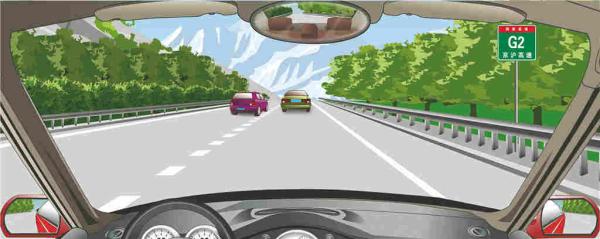
A. Right
B. Wrong
Answer: A
17. What influence does smoking have upon driving?
A. Harmful for safe driving
B. Increase concentration
C. Help relaxation
D. No effect on driving
Answer: A
18. After a motor vehicle falls into water, the driver won?ˉt be able to open the side doors or windows to escape until water nearly fills up the compartment.
A. Right
B. Wrong
Answer: A
19. When driving on a foggy day, the driver should turn on the fog lamp.
A. Right
B. Wrong
Answer: A
20. How many kinds of law-breaking acts are displayed in flash 6?
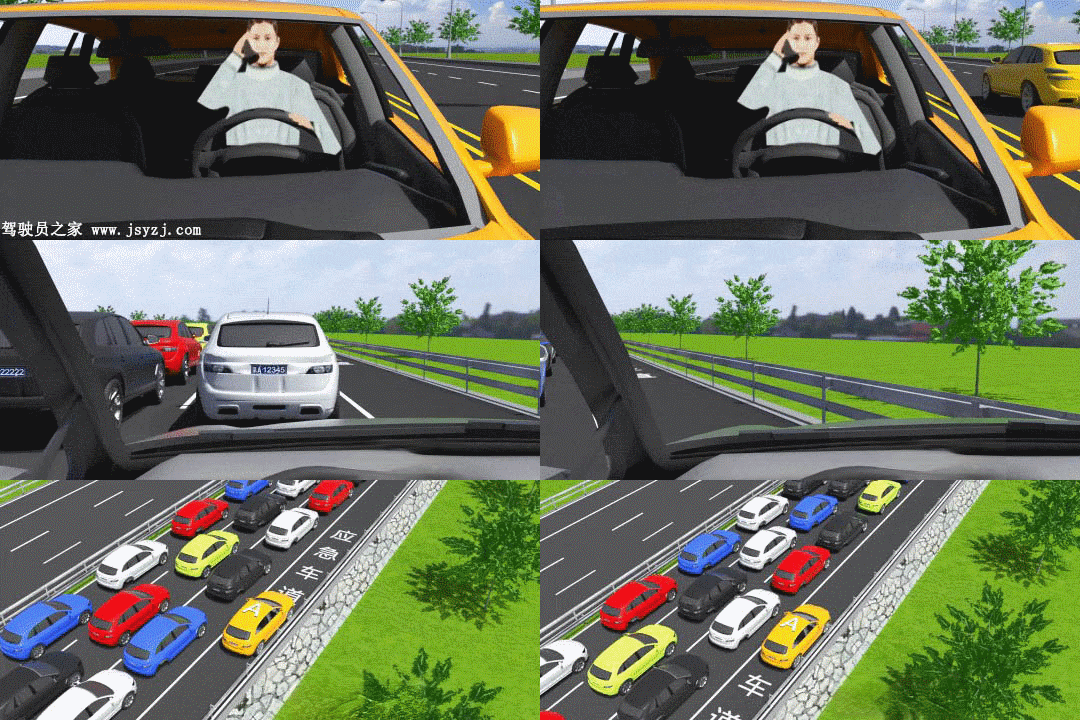
A. One
B. Two
C. Three
D. Four
Answer: C