

1. vehicles may stop temporarily in this area.
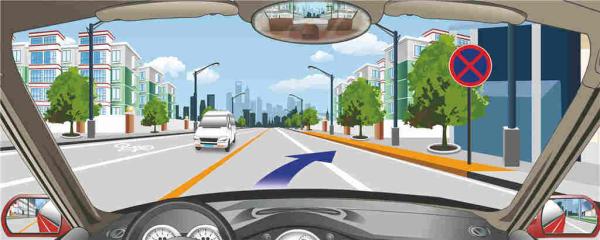
A. Right
B. Wrong
Answer: B
2. Under such circumstances, what should motor vehicle drivers do?
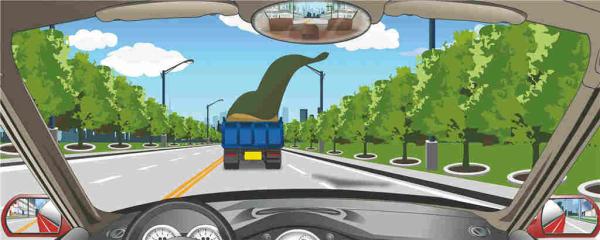
A. Follow the vehicle closely
B. Overtake the vehicle quickly on its left
C. Keep a long braking distance
D. Overtake the vehicle quickly on its right
Answer: C
3. When entering an expressway ramp, which of the following statements is correct?
A. Drivers are allowed to overtake other vehicles
B. Drivers are prohibited from making U-turns
C. Drivers are allowed to stop
D. Drivers are allowed to reverse
Answer: B
4. What kind of harmful effect will be brought about by continuously using the foot brake on a long downhill road?
A. Shorten the engine?ˉs service life
B. Make the driver feel tired
C. Easily cause the vehicle to overturn
D. Reduce the braking efficiency
Answer: D
5. As shown in this picture, the vehicles intending to turn left are not allowed to drive into left-turn waiting area directly to wait for green light.
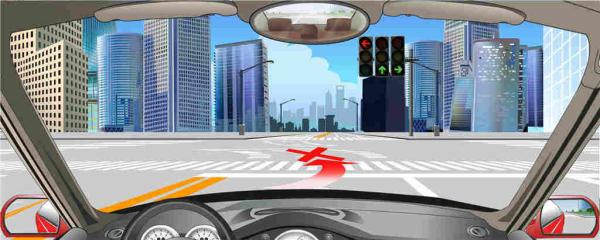
A. Right
B. Wrong
Answer: B
6. When a motor vehicle enters an expressway from the ramp, which of the following lamps should be turned on?
A. The left-turn indicator
B. The right-turn indicator
C. The hazard warning lamp
D. The headlamp
Answer: A
7. The sign in front is an advance announcement of famous places and distances en route.
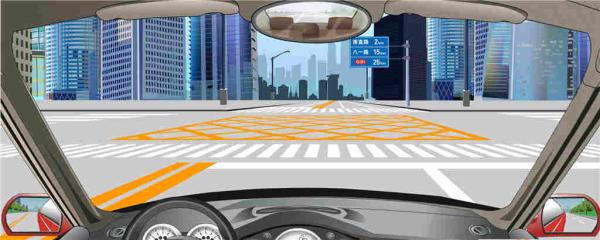
A. Right
B. Wrong
Answer: A
8. When rescuing a wounded person who has been poisoned by toxic gas, the first measure is to send him to a place with fresh air so that he will not continue to be poisoned.
A. Right
B. Wrong
Answer: A
9. The sign on the right indicates to stop and yield for oncoming vehicles approaching on the road ahead.
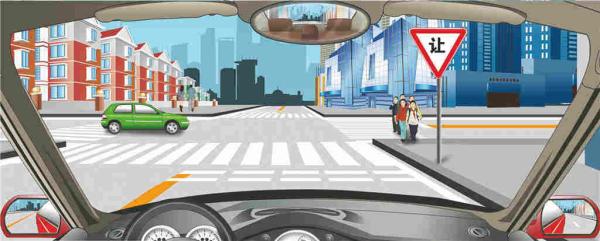
A. Right
B. Wrong
Answer: B
10. After entering the acceleration lane of an expressway, the driver should increase the speed to how many kilometers per hour?
A. More than 30 km/hour
B. More than 40 km/hour
C. More than 50 km/hour
D. More than 60 km/hour
Answer: D
11. What should the driver do upon seeing this sign?
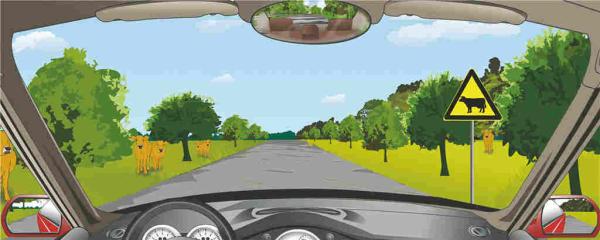
A. Slow down, look and pass slowly
B. Sound the horn to drive them away
C. Go through from the spaces between animals
D. Drive slowly and drive them away from the motor vehicle
Answer: A
12. A driver should accelerate in advance to overtake then it is likely to meet with oncoming vehicles.
A. Right
B. Wrong
Answer: B
13. When steering failure happens to a fast moving motor vehicle, what should the driver do?
A. Apply emergency braking
B. Immediately change to a low gear
C. Reasonably use the driving brake and the stopping brake and refrain from applying emergency braking
D. Turn on the hazard lamps
Answer: BCD
14. What should the driver do to ensure safe driving when the motor vehicle encounters this situation in a residential area?

A. Sound the horn to warn the pedestrians
B. Speed up and pass as quickly as possible
C. Retain a normal speed
D. Slow down and prepare to stop
Answer: D
15. How many kinds of law-breaking acts are displayed in flash 3?
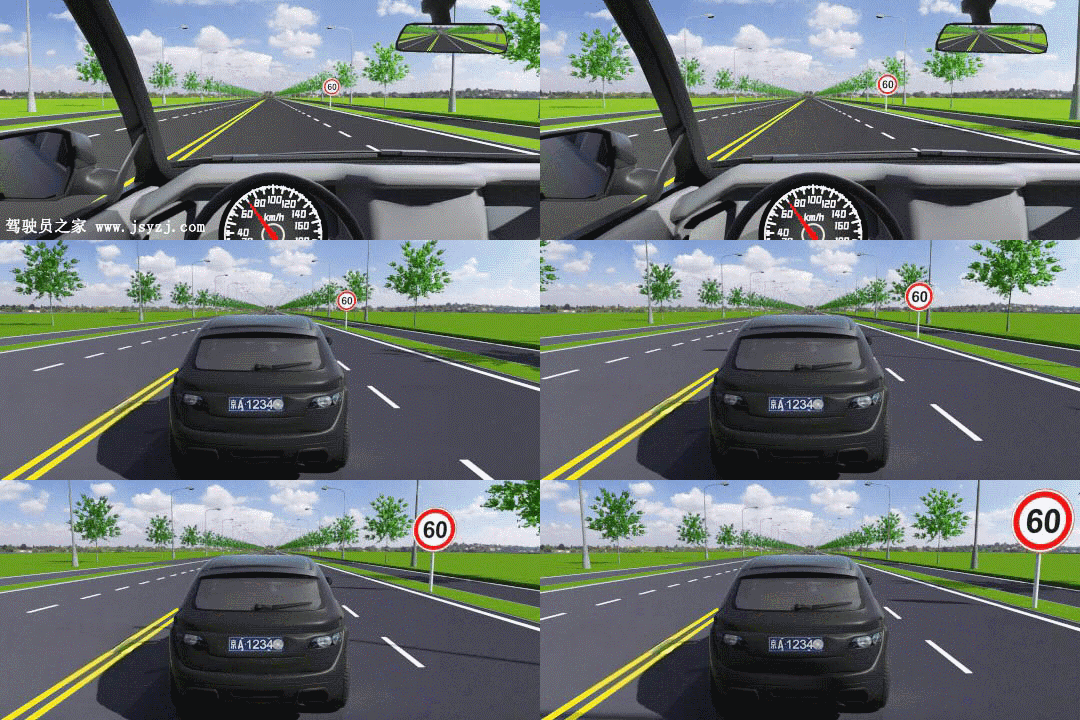
A. One
B. Two
C. Three
D. Four
Answer: B
16. Which one of the following is the safest way to pass the oncoming vehicle on this road?
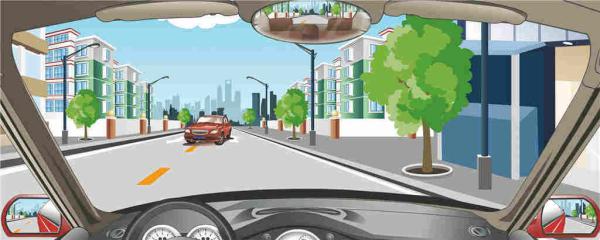
A. Driving along the central line
B. Driving with headlamp on
C. Yielding by the right side of the road
D. Yielding by the left side of the oncoming vehicle
Answer: C
17. A motor vehicle may stop and yield if it encounters any problem when changing to the driving lane from an acceleration lane.
A. Right
B. Wrong
Answer: B
18. When a motor vehicle slides sideways on a road covered by ice and snow, the driver should violently turn the steering wheel to adjust the direction.
A. Right
B. Wrong
Answer: B
19. When parking for a long time on an upward slope due to breakdown on the road, drivers should use this method to stop up wheels.
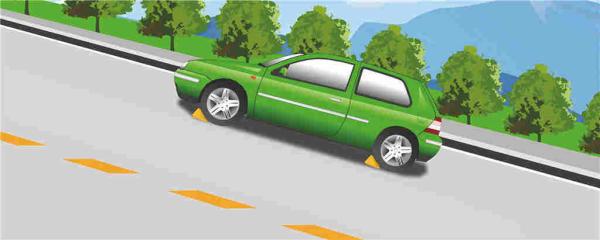
A. Right
B. Wrong
Answer: B
20. Under such circumstances, what should motor vehicle drivers do?
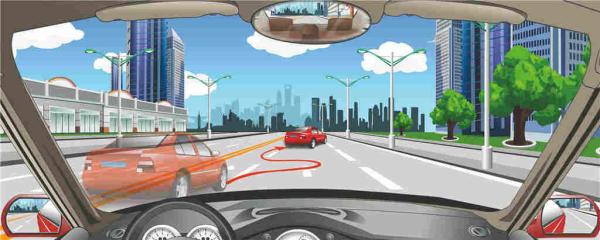
A. Overtake the vehicle quickly on its left
B. Keep a long braking space
C. Continuously sound the horn to alert the vehicle in front
D. Overtake the vehicle quickly from its right
Answer: B