

1. Driving a motorized vehicle in the city road which has no central line, the maximum speed can not exceed 50 kilometers per hour.
A. Right
B. Wrong
Answer: B
2. What is the meaning of this sign?
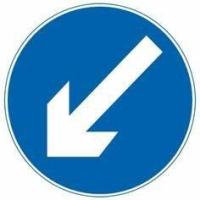
A. stop by the left side of the road
B. downhill section left
C. left turn only
D. run by the left side of the road
Answer: D
3. If the accumulated penalty points of a motorized vehicle driver reach 12 points and the driver refuses to participate in the study course and also refuses to take tests, it should be publicly announced that his driving license should no longer be used.
A. Right
B. Wrong
Answer: A
4. What is the max speed when visibility is less than 50m due to foggy, rainy or snowy?
A. 70km/hr
B. 50km/hr
C. 40km/hr
D. 30km/hr
Answer: D
5. The traffic police may detain the motorcycle if its driver has falsified the license plate and vehicle license.
A. Right
B. Wrong
Answer: A
6. What is the max speed when in or out of the lane for non-motorized vehicles?
A. 40km/hr
B. 50km/hr
C. 60km/hr
D. 30km/hr
Answer: D
7. What is the meaning of this sign?
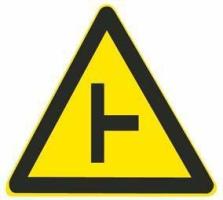
A. Y-shaped intersection
B. T-shaped intersection
C. intersection
D. ring intersection
Answer: B
8. What is the max speed on a road covered by ice and snow?
A. 50km/hr
B. 40km/hr
C. 30km/hr
D. 20km/hr
Answer: C
9. Traffic Police can detain the vehicle according to law if it is suspected of using the label of insurance from other vehicle.
A. Right
B. Wrong
Answer: A
10. Going though the intersection according to the traffic lights when traffic lights and command of the traffic police are inconsistency.
A. Right
B. Wrong
Answer: B
11. When driving in a strong wind, drivers should abruptly turn the steering wheel to return to the original direction if they feel the vehicle deviates horizontally due to a strong gale.
A. Right
B. Wrong
Answer: B
12. People who take a two-wheeled motorcycle should ride it by side way.
A. Right
B. Wrong
Answer: B
13. In which section when a vehicle runs is prohibited from overtaking.
A. elevated road
B. intersection
C. central streets
D. ring express
Answer: B
14. What is the meaning of this sign?
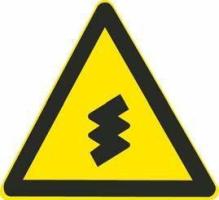
A. slippery section
B. sharp curve
C. inverse curve
D. continuous curves
Answer: D
15. What is the meaning of this sign?
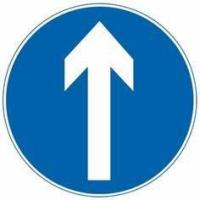
A. straight-going lane
B. going straight only
C. one-way road
D. no going straight
Answer: B
16. What is the meaning of this sign?
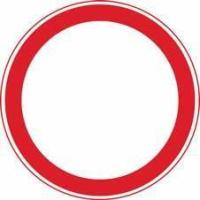
A. No passing
B. driving at reduced speed
C. time limit for entering
D. no entering
Answer: A
17. When the driver discovers that steering is stiff, the wrong measure is to ___________.
A. Reduce speed and stop the vehicle as fast as possible
B. Stop at a safe place
C. Continue to drive
D. Identify the cause
Answer: C
18. When running in a high speed, if only use the front brake, the driver can be easily thrown out due to the inertia.
A. Right
B. Wrong
Answer: A
19. When a motorcycle is making a turn in a high speed, the driver should avoid using the brake or use the brake less to prevent sideslip.
A. Right
B. Wrong
Answer: A
20. What is the meaning of this sign?

A. bump road
B. high outburst road
C. low-lying road
D. hump bridge
Answer: B