

1. What is the max speed on the expressway when the visibility is lower than 100 meters?
A. less than 40km/hr
B. less than 60km/hr
C. less than 80km/hr
D. less than 90km/hr
Answer: A
2. For a driver who drives a commercial motor vehicle after drinking, besides revoking his/her driving license, how long will he/she be banned from re-obtaining a motor vehicle driving license?
A. 1 year
B. 2 year
C. 5 year
D. 10 year
Answer: C
3. Reducing the speed to yield when encountering this situation in the intersection.
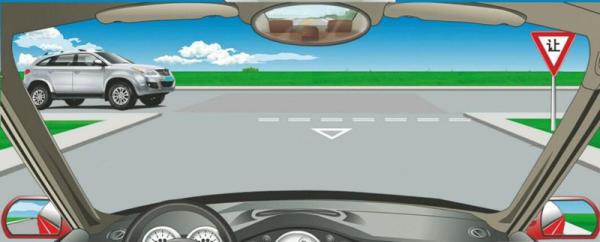
A. Right
B. Wrong
Answer: A
4. What is the time limit of deferred license checking due to military service, abroad and other reasons?
A. 3 years
B. 5 years
C. 1 years
D. 2 years
Answer: A
5. This sign warns a sharp left curve ahead.
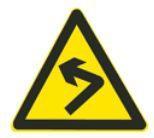
A. Right
B. Wrong
Answer: A
6. The main impact of muddy roads on safe driving is _________.
A. The resistance to the vehicle becomes weaker
B. The tires can easily spin and skid
C. The visibility become lower and blurs the field of vision
D. The road grip becomes stronger
Answer: B
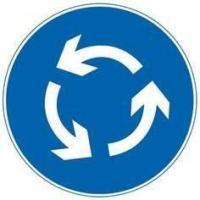
7. Whats the meaning of this sign?
A. passing by the right side
B. passing by the left side
C. running to right side
D. running the roundabout
Answer: D
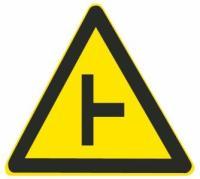
8. Whats the meaning of this sign?
A. Y-shaped intersection
B. T-shaped intersection
C. intersection
D. ring intersection
Answer: B
9. If a person who has caused a major traffic accident and if his act constitutes a crime, he should be held for _________.
A. criminal liability
B. civil liability
C. direct liability
D. economic liability
Answer: A
10. Whats the meaning of this sign?

A. turn left
B. no going straight
C. straight-going lane
D. one-way road
Answer: A
11. If the vehicle license of a motorized vehicle are lost, the vehicle owner should apply to the vehicle management station at the registration place for reissuing.
A. Right
B. Wrong
Answer: A
12. Traffic Police can detain the vehicle which is suspected of using other vehicles license plate and vehicle license.
A. Right
B. Wrong
Answer: A
13. Max speed when pass the narrow road or bridge is _______
A. 50km/hr
B. 40km/hr
C. 30km/hr
D. 60km/hr
Answer: C
14. Whats the meaning of this sign?
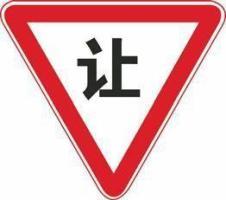
A. no yielding
B. yield while crossing each other
C. reduce speed and yield
D. stop to yield
Answer: C
15. When driving in a rainy day, the driver should _____ when a pedestrian holding umbrella or in raincoat is walking on the highway.
A. Continuously honk to indicate him to yield
B. Speed up and bypass
C. Honk in advance and properly reduce speed
D. Drive at the normal speed
Answer: C
16. Whats the meaning of this guide arrow?

A. no passing
B. driving lane
C. merging
D. going straight
Answer: D
17. How to run on this road?
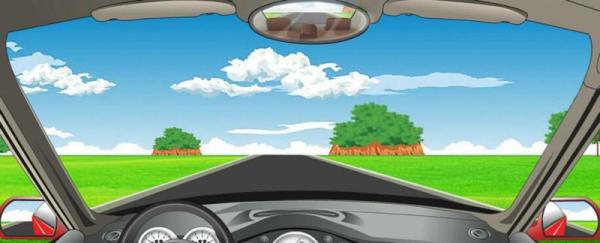
A. run in the middle of the road
B. run on both side of the road
C. run according to lanes
D. go forward at will
Answer: A
18. Traffic Police can detain the vehicle according to law if it is suspected of using the label of insurance from other vehicle.
A. Right
B. Wrong
Answer: A
19. When driving at night, the driver should go at a lower speed because his field of vision is limited and he can hardly observe the traffic conditions beyond the area covered by his vehicle light.
A. Right
B. Wrong
Answer: A
20. Whats the meaning of this mark on the road?
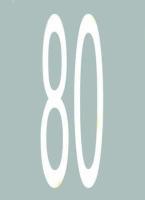
A. minimum speed limit is 80km/hr
B. average speed is 80km/hr
C. maximum speed limit is 80km/hr
D. 80km/hr speed limit ban is lifted
Answer: A