

1. The sign in front is an advance announcement of the directions led by this intersection.
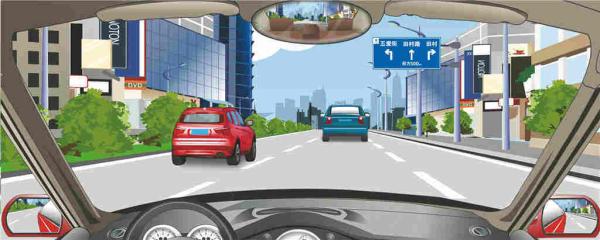
A. Right
B. Wrong
Answer: A
2. When a motor vehicle falls into water and the side door cannot be opened, which of the following methods is correct for self-rescue?
A. Smash the window glass
B. Close the windows
C. Make calls for help
D. Try to open the door with a tool
Answer: A
3. On a mountain road, what should the driver do in this situation?
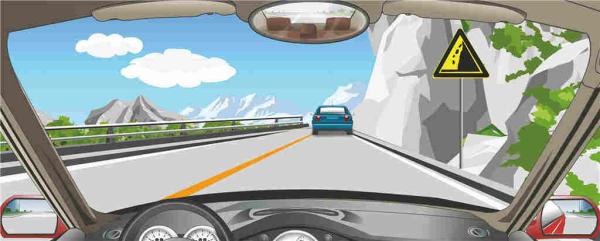
A. Drive on the left and speed up to bypass
B. Stop to observe and pass slowly
C. Observe closely and pass as soon as possible
D. Sound the horn several times and pass slowly
Answer: C
4. When leaving an expressway, drivers should enter the ramp after slowing down in the deceleration lane.
A. Right
B. Wrong
Answer: A
5. The guide arrow on the road surface of this lane indicates that the lanes ahead will merge to the left side.
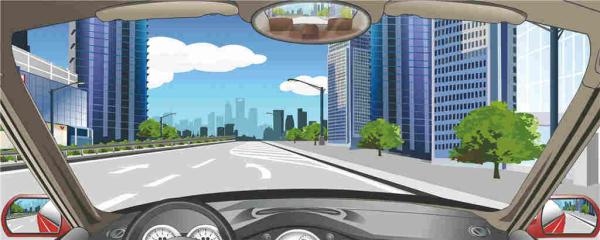
A. Right
B. Wrong
Answer: A
6. The sign on the right warns of a continuous downhill section ahead.
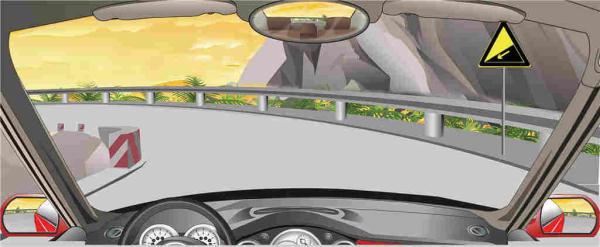
A. Right
B. Wrong
Answer: B
7. What should be checked before driving?
A. No parts need to be checked
B. Whether the tires have been cleaned
C. Where the spare tire is placed
D. The fastening and air pressure of tires
Answer: D
8. Which one of the following statements is correct in this situation?
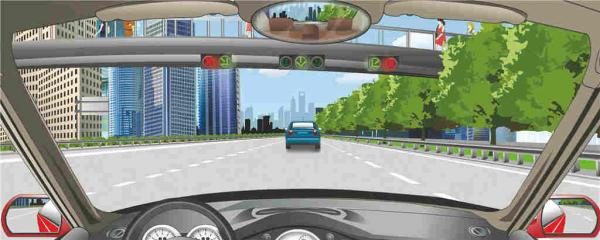
A. Vehicles are prohibited from passing in the lanes on either side
B. Move into the lane on either side at a reduced speed
C. Move into the lane on the right side
D. Move into the lane on either side at an increased speed
Answer: A
9. When a head-on collision with another vehicle is unavoidable, what should the driver do?
A. Change head-on collision to side collision
B. Immediately turn the steering wheel to the right side to evade
C. Immediately apply emergency braking
D. Immediately turn the steering wheel to the left side to evade
Answer: C
10. When the fuel of a motor vehicle catches fire, which of the following things cannot be used to put out the fire?
A. Sandy soil on the roadside
B. Cotton-padded clothes
C. Overalls
D. Water
Answer: D
11. The broken white reflective line on the road warns that drivers should drive at a lower speed on the road section ahead.
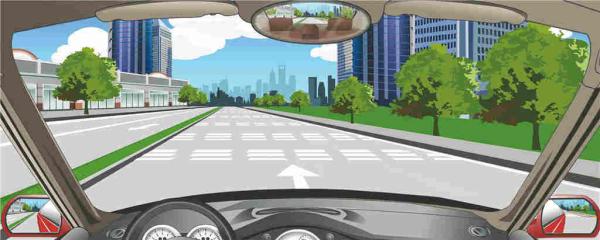
A. Right
B. Wrong
Answer: A
12. The sign on the right indicates notice by sounding the horn.
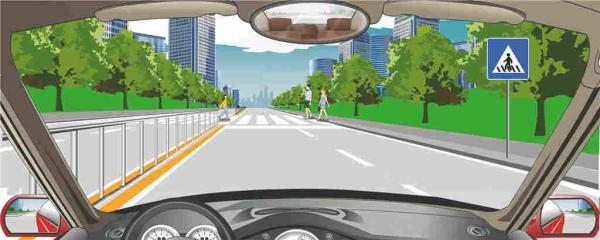
A. Right
B. Wrong
Answer: B
13. The broken yellow line in the center of the road indicates that overtaking by crossing the line is permitted in safe situations.
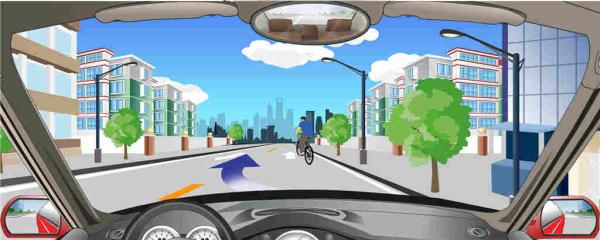
A. Right
B. Wrong
Answer: A
14. When a motor vehicle slides sideways on a road covered by ice and snow, the driver should violently turn the steering wheel to adjust the direction.
A. Right
B. Wrong
Answer: B
15. The sign on the right indicates that no restriction for temporary parking.
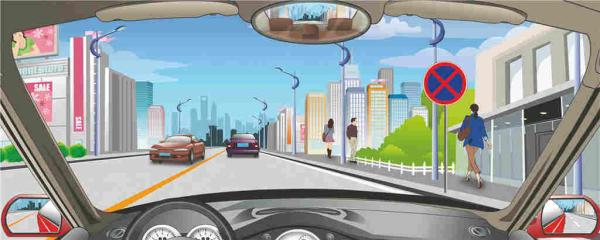
A. Right
B. Wrong
Answer: B
16. Under such circumstances, motor vehicle drivers should reduce speed by the right side swiftly and yield.
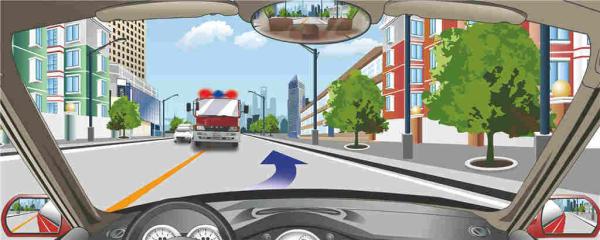
A. Right
B. Wrong
Answer: A
17. The sign on the right warns of a winding road to the left ahead.
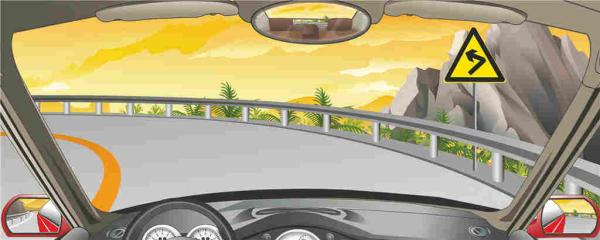
A. Right
B. Wrong
Answer: B
18. How many kinds of law-breaking acts are displayed in flash 6?

A. One
B. Two
C. Three
D. Four
Answer: C
19. The sign on the right warns of a one-way tunnel ahead.
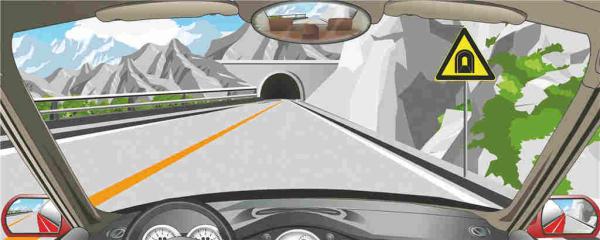
A. Right
B. Wrong
Answer: B
20. The sign in front indicates an indoor parking ground 100 meters ahead.
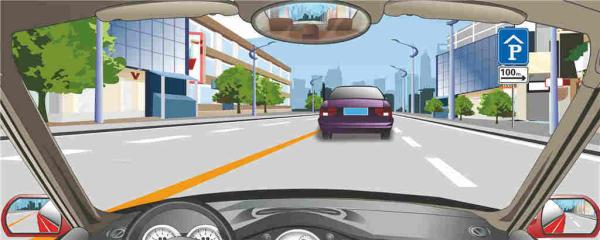
A. Right
B. Wrong
Answer: A