

1. A motorized vehicle driver who escapes after causing a traffic accident but his conduct does not constitute a crime, is subject to a ________.
A. 3-point penalty
B. 2-point penalty
C. 12-point penalty
D. 6-point penalty
Answer: C
2. Whats the meaning of this sign?
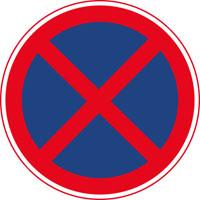
A. stopping temporarily is allowed
B. long stopping is allowed
C. no long stopping
D. no stopping
Answer: D
3. Driving a motorized vehicle shall not overtake in tunnels, steep slopes and other special sections.
A. Right
B. Wrong
Answer: A
4. The three principles for careful driving are concentration, careful observation and early prevention.
A. Right
B. Wrong
Answer: A
5. It lights to indicate that ______

A. engine compartment is opened
B. cover of fuel tank is opened
C. doors of both sides are opened
D. luggage compartment is opened
Answer: C
6. When reaching an intersection, the driver should _____ if a turning vehicle cuts in.
A. Stop to evade
B. Maintain the normal speed
C. Speed up and pass ahead of it
D. Honk and pass ahead of it
Answer: A
7. Whats the meaning of this sign?
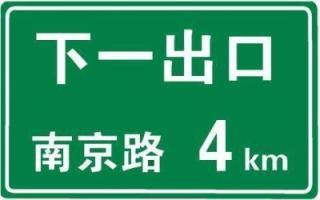
A. expressway left exit ahead
B. expressway destination ahead
C. expressway right exit ahead
D. expressway next exit ahead
Answer: D
8. When following a vehicle on the road, the distance from the vehicle in front is not important. As long as the driver goes forward at the same speed as the vehicle in front does, he can avoid rear-end collision.
A. Right
B. Wrong
Answer: B
9. Speeding up to go though the intersection before the light turns to red in this case.
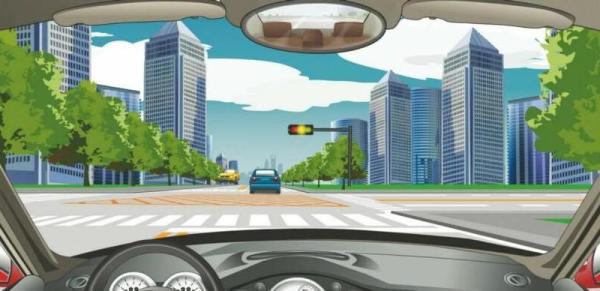
A. Right
B. Wrong
Answer: B
10. It lights to indicate that the generator is charging to the batteries.

A. Right
B. Wrong
Answer: B
11. Whats the meaning of this sign?
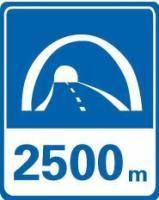
A. the distance from the tunnel exit
B. the distance from the tunnel entry
C. the distance of following the vehicle in front in the tunnel
D. the whole length of the tunnel
Answer: A
12. How to use lights when pulling over on road?
A. turn on the hazard lights
B. turn on the right-turn signal in advance
C. use the high and low beam lights alternately
D. not need to use any light to indicate
Answer: B
13. When causing a road accident involving property damage, the parties to the accident have no dispute over the fact and cause, they should take photos of the scene or mark the vehicles location when they move the vehicles.
A. Right
B. Wrong
Answer: A
14. The traffic lights allow the vehicle to ______
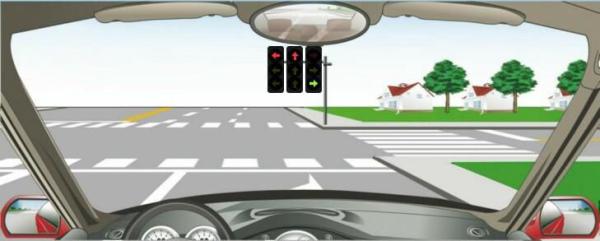
A. turn right
B. stop and wait
C. turn left
D. go straight
Answer: A
15. Driving a motorized vehicle in the city road which has no central line, the maximum speed can not exceed 50 kilometers per hour.
A. Right
B. Wrong
Answer: B
16. One can drive the low-speed truck if the authorized vehicle applied for is small motor vehicle with automatic transmission.
A. Right
B. Wrong
Answer: B
17. Whats the meaning of this sign?
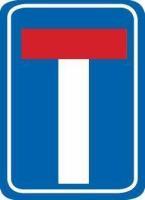
A. T-shaped intersection
B. branching intersection
C. reduce speed to pass
D. dead-end road
Answer: D
18. How the front vehicle to run in this situation?
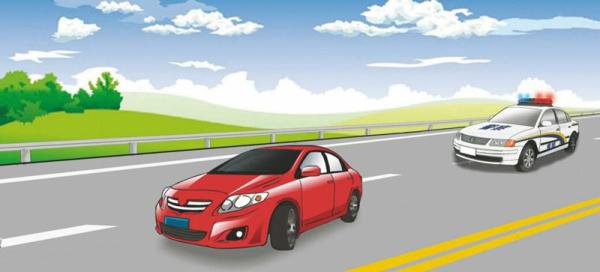
A. run as normal
B. yield
C. turn on the hazard lights
D. should not change lane
Answer: B
19. Which kind of vehicle can be applied for when initially applying for the driving license?
A. midsize bus
B. large bus
C. ordinary motor tricycle
D. trailer
Answer: C
20. Whats the meaning of this sign?

A. going straight and turning left at an interchange
B. going straight and turning right at an interchange
C. going straight and turning left
D. going straight and turning right
Answer: A