

1. When driving in thick or extremely thick fog, what should the driver do due to the low visibility in such weather?
A. Turn on the headlamp and drive slowly
B. Turn on the fog lamp and drive slowly
C. Park in a safe place
D. Drive slowly close to the roadside
Answer: C
2. Sideslip happens most easily on which one of the following road surfaces?
A. Dry concrete road
B. Road surface at the beginning of rain
C. Damp concrete road surface
D. Road in heavy rain
Answer: B
3. Motor vehicles are prohibited from driving straight or turning left in this situation.
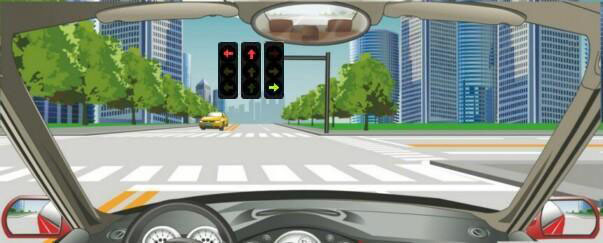
A. Right
B. Wrong
Answer: A
4. What kind of harmful effect will be brought about by continuously using the foot brake on a long downhill road?
A. Shorten the engine?ˉs service life
B. Make the driver feel tired
C. Easily cause the vehicle to overturn
D. Reduce the braking efficiency
Answer: D
5. The drivers, loaders and supercargoes responsible for dangerous chemicals transportation should all full understand the chemical characteristics, potential risks, features of the packaging containers and emergency measures for any unexpected accidents.
A. Right
B. Wrong
Answer: A
6. Sounding the horn on a foggy day can arouse the attention of the opposite side. After hearing the horn from the opposite side, the driver should also sound their own horn to respond.
A. Right
B. Wrong
Answer: A
7. When a motor vehicle turns at an excessively high speed, it can easily slide sideways.
A. Right
B. Wrong
Answer: A
8. The sign on the right indicates a T-shaped intersection head.
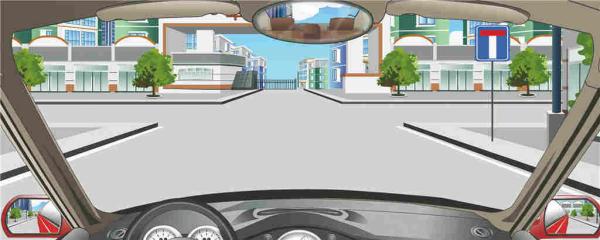
A. Right
B. Wrong
Answer: B
9. The guide arrow on the road surface of this lane indicates that only right turns are permitted at the intersection ahead.
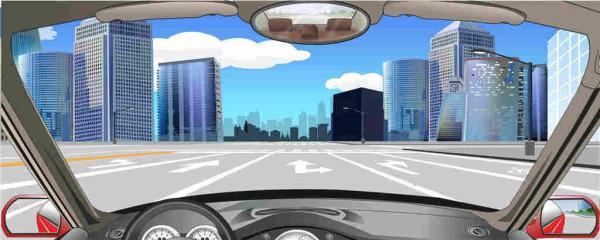
A. Right
B. Wrong
Answer: B
10. When driving on a road covered with ice and snow drivers should not use the emergency brake but can apply a sharp turn.
A. Right
B. Wrong
Answer: B
11. Under such circumstances at a congested intersection, what should motor vehicle drivers do?
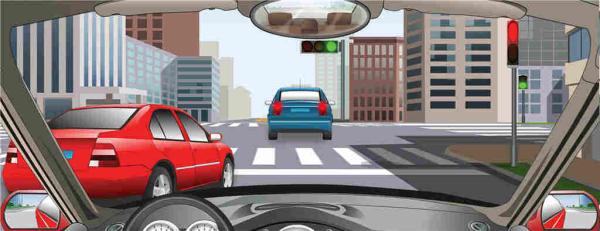
A. Force the vehicle to go back to its original lane
B. Closely follow the vehicle in front and refuse to yield
C. Politely yield and pass through
D. Sound the horn and turn on the head lamps
Answer: C
12. The guide arrow on the road surface of this lane indicates that only U-turns are permitted at the intersection ahead.
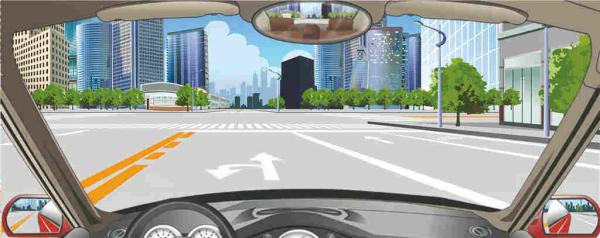
A. Right
B. Wrong
Answer: B
13. What should the driver do when the motor vehicle counters this situation?
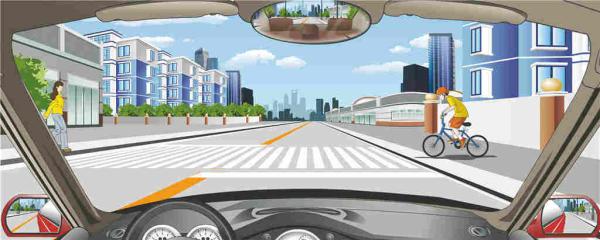
A. Sound the horn continuously to warn
B. Speed up and bypass from the front
C. Slow down when encountering any risks
D. Slow down voluntarily and yield
Answer: D
14. When a motor vehicle breaks down on an expressway and cannot be moved away from the driving lane, the driver may conduct emergency repairs on the driving lane.
A. Right
B. Wrong
Answer: B
15. Under such circumstances, motor vehicles are not allowed to overtake.
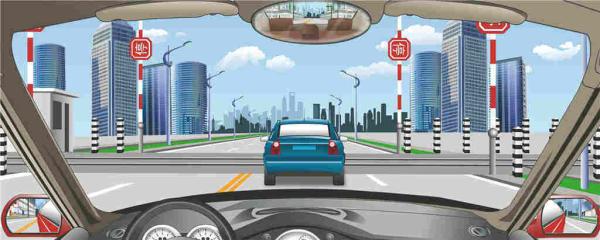
A. Right
B. Wrong
Answer: A
16. It is not safe for a female driver to wear high heels to drive a vehicle.
A. Right
B. Wrong
Answer: A
17. Motor vehicle drivers are allowed to make a U-turn at this intersection.
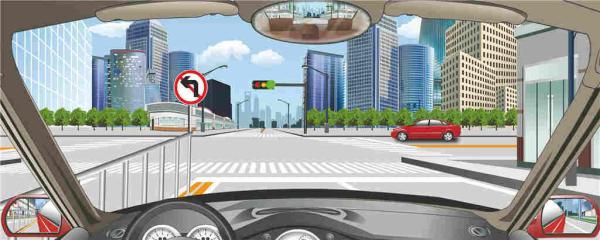
A. Right
B. Wrong
Answer: B
18. The sign in front is an advance announcement of famous places and distances en route.
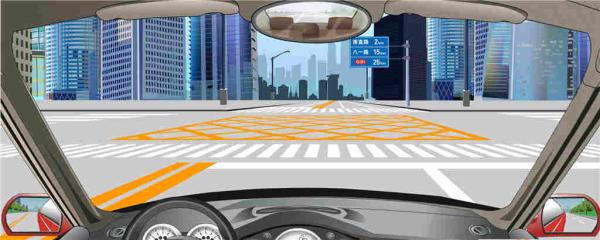
A. Right
B. Wrong
Answer: A
19. The sign on the right indicates that no long-sounding horn.
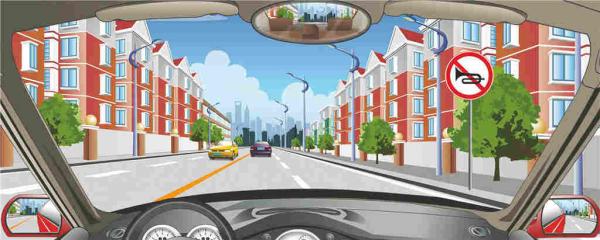
A. Right
B. Wrong
Answer: B
20. What is the main impact of foggy weather on safe driving?
A. Easy to slide sideways
B. Low visibility
C. Increase the resistance
D. Widen the field of vision
Answer: B