

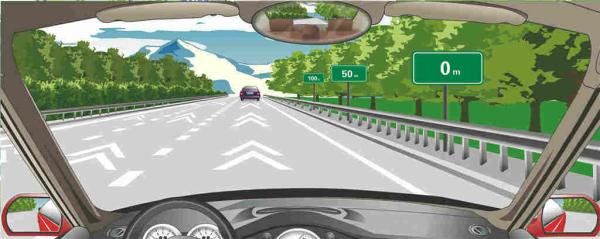
1. The white zig-zag line on the highway serves as a reference for the speed of a driver.
A. Right
B. Wrong
Answer: B
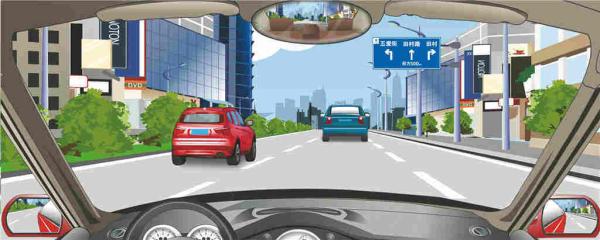
2. The sign in front is an advance announcement of the directions led by this intersection.
A. Right
B. Wrong
Answer: A
3. Under the circumstances shown in the flash, what should the driver do?
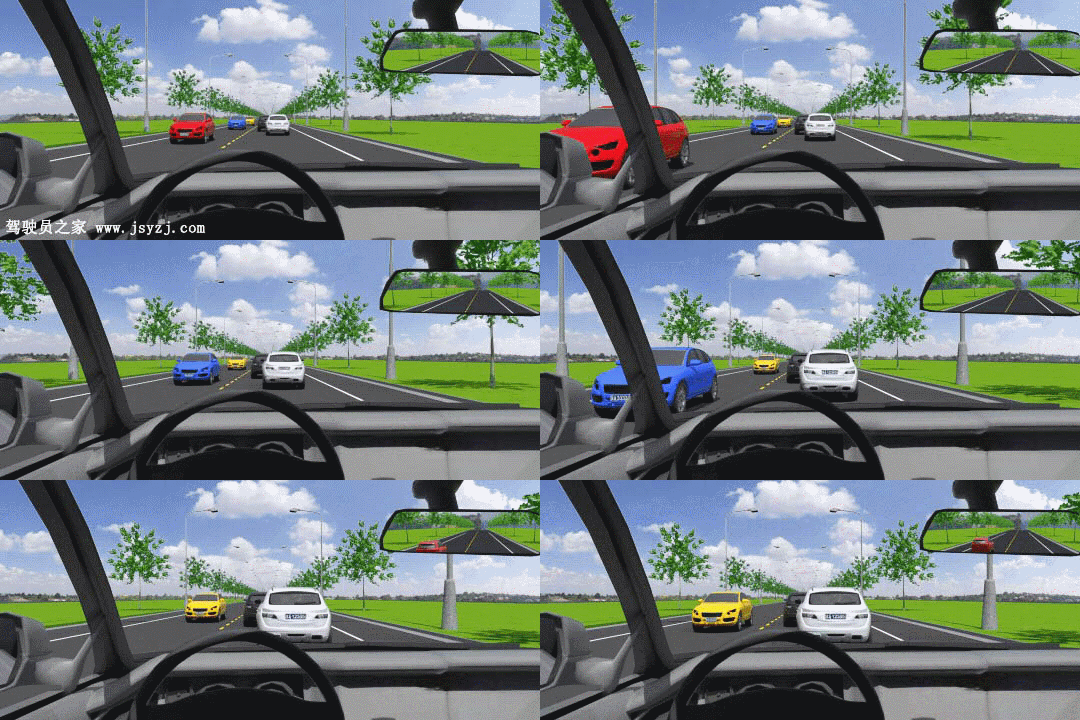
A. Find a chance to overtake the vehicle in front
B. Weave through motor vehicles ahead and pass
C. Reduce speed, stop, and wait in line
D. Sound the horn to urge vehicles in front
Answer: C
4. What should drivers keep in mind when driving on a mountainous road?
A. Keep a safe distance
B. Avoid occupancy of another lane when making a turn
C. Downshift in advance when ascending an abrupt slope
D. Taking full advantage of engine braking when descending a long slope
Answer: ABCD
5. The sign on the right warns for disabled people ahead.

A. Right
B. Wrong
Answer: A
6. When driving a motor vehicle equipped with power steering, the driver should firmly hold the steering wheel and drive slowly if he suddenly finds that steering is difficult.
A. Right
B. Wrong
Answer: B
7. What should a driver do before entering a tunnel on an expressway
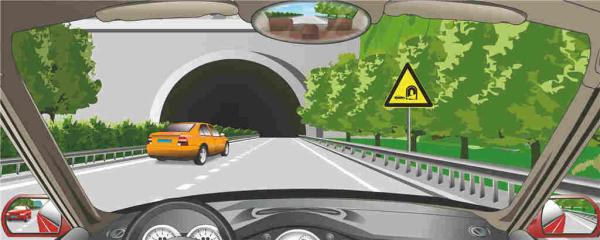
A. Turn on the high-beam
B. Turn on the width lamp and the tail lamp
C. Turn on the low-beam
D. Sound the horn before entering the tunnel
Answer: C
8. When a head-on collision with another vehicle is unavoidable, what should the driver do?
A. Change head-on collision to side collision
B. Immediately turn the steering wheel to the right side to evade
C. Immediately apply emergency braking
D. Immediately turn the steering wheel to the left side to evade
Answer: C
9. A motor vehicle may stop and yield if it encounters any problem when changing to the driving lane from an acceleration lane.
A. Right
B. Wrong
Answer: B
10. When a motor vehicle breaks down and cannot be moved away from the expressway, the driver and all passengers should stay in the vehicle and wait for the rescue personnel.
A. Right
B. Wrong
Answer: B
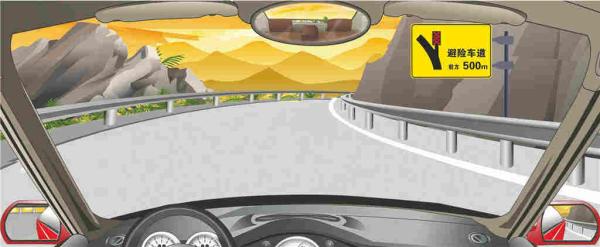
11. The sign on the right side warns of an emergency lane 500 meters ahead.
A. Right
B. Wrong
Answer: A
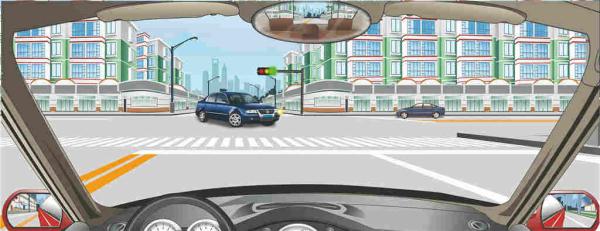
12. The driver may not yield when the motor vehicle encounters this situation at the intersection.
A. Right
B. Wrong
Answer: B
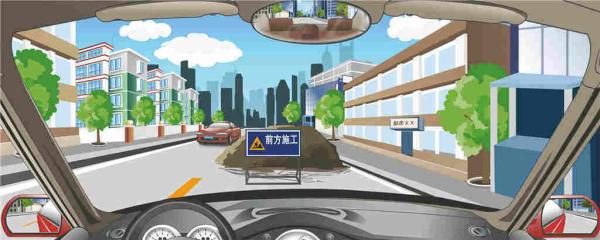
13. Which one of the following is the safest way when driving a motor vehicle on this road?
A. Speed up and bypass the obstacle
B. Take the opposite lane and compel the other vehicle to yield
C. Stop and yield to the oncoming vehicle
D. Sound the horn or turn on the headlamp
Answer: C
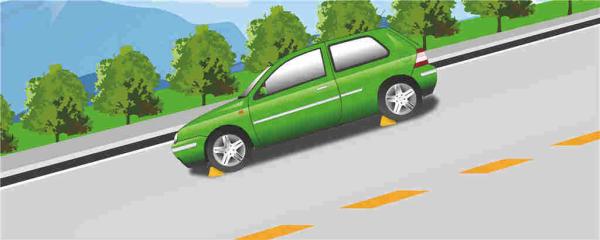
14. When parking for a long time on a downward slope due to breakdown on the road, drivers should use this method to stop up wheels.
A. Right
B. Wrong
Answer: A
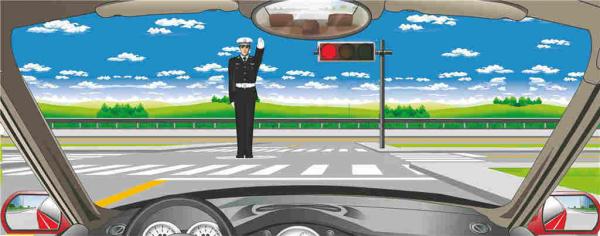
15. These traffic police signals indicate that passing is prohibited.
A. Right
B. Wrong
Answer: A
16. When encountering a school bus which stops at the right roadside and students are embarking or disembarking, what should motor vehicle drivers do?
A. If there is only one motor vehicle lane in each direction, motor vehicle drivers behind the bus should stop and wait.
B. If there are two motor vehicle lanes in each direction, motor vehicle drivers in the left lane behind the bus may overtake the bus at a lower speed
C. If there are three motor vehicle lanes in each direction, motor vehicle drivers in the middle lane behind the bus should stop and wait
D. If there are three motor vehicle lanes in each direction, motor vehicle drivers in the left lane behind the bus may pass at a lower speed
Answer: ACD
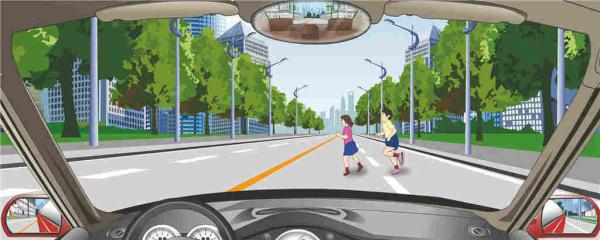
17. When such circumstances happen suddenly, drivers should reduce speed in a timely fashion or stop to yield.
A. Right
B. Wrong
Answer: A
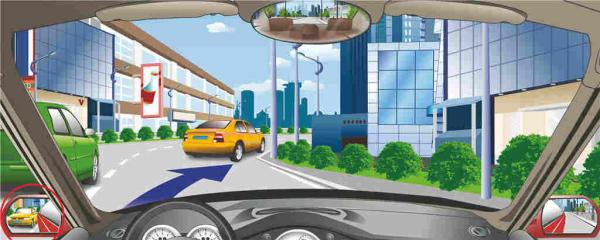
18. Under such circumstances, the motor vehicle driver should voluntarily reduce speed and let the vehicle behind overtake.
A. Right
B. Wrong
Answer: A
19. When driving a motor vehicle into a traffic flow, drivers should not hold up other vehicles.
A. Right
B. Wrong
Answer: A
20. What should be done to keep safe when a motor vehicle driver is overtaking in this condition?
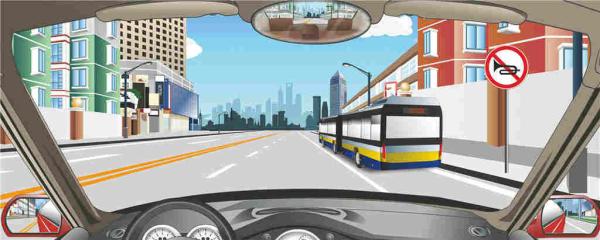
A. Reducing speed and keeping a safe distance
B. Continuously sounding the horn to indicate the vehicle in front
C. Accelerating to pass while keeping a certain distance
D. Overtaking by occupying the opposite lane
Answer: A