

1. The driver should turn left by the left side of the intersection central point.
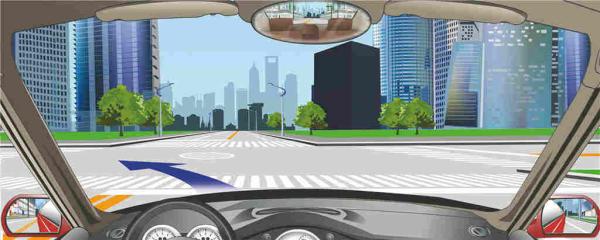
A. Right
B. Wrong
Answer: A
2. The motor vehicle equipped with ABS may sideslip during an emergency brake.
A. Right
B. Wrong
Answer: A
3. When driving, besides paying attention to keeping a safe distance from the vehicle in front, drivers should also be prudent when braking so as to avoid a rear-end collision caused by a vehicle behind.
A. Right
B. Wrong
Answer: A
4. At this moment, the driver may speed up and pass the intersection rapidly.

A. Right
B. Wrong
Answer: B
5. When a motor vehicle moves through water, drivers should intermittently and gently depress the brake pedal in order to restore braking efficiency.
A. Right
B. Wrong
Answer: A
6. Motor vehicles are not allowed to reverse in a tunnel.
A. Right
B. Wrong
Answer: A
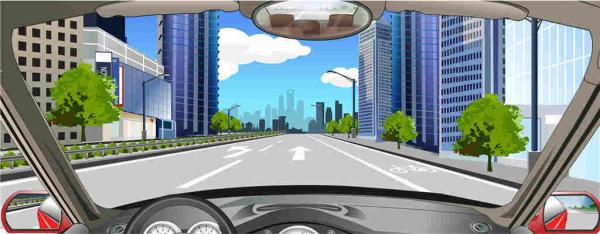
7. The guide arrow on the road surface of this lane indicates that drivers are only permitted to continue straight at the intersection ahead.
A. Right
B. Wrong
Answer: A
8. If a fast moving vehicle has a steering failure, using emergency braking can easily cause an overturn.
A. Right
B. Wrong
Answer: A
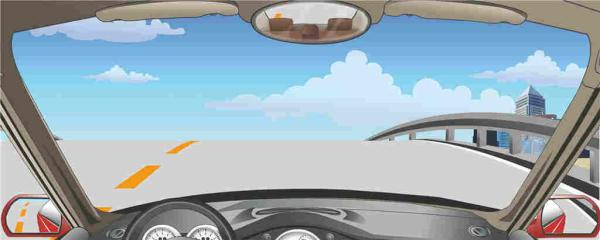
9. Motor vehicle drivers should rush to the top of the slope in this situation.
A. Right
B. Wrong
Answer: B
10. When there is a braking failure on a downhill road, if there is no favorable terrain or opportunity to stop the vehicle, the driver should drop gear by one position or two positions, and control the speed by taking advantage of the braking role of the engine.
A. Right
B. Wrong
Answer: A
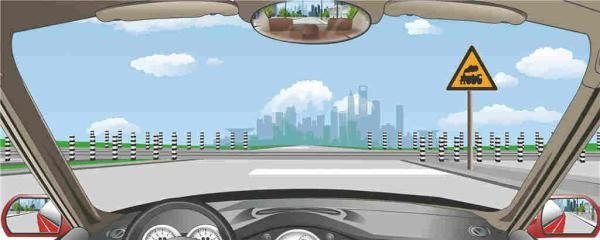
11. A motor vehicle should not pass the level crossing rapidly in this situation.
A. Right
B. Wrong
Answer: A
12. When encountering a situation like changing to a left lane, motor vehicle drivers should yield.

A. Right
B. Wrong
Answer: A
13. Mr. Li drove a large bus with 21 passengers (capacity 35 people). He found the braking system was abnormal on the way but failed to repair it. When running on the Shuangdao Haiwan Bridge at a speed of 50 kilometers per hour (speed limit 40 km/h), the bus fell into the sea due to a braking system failure, killing 13 people and injuring 8. What is the main illegal act committed by Mr. Li?
A. Speeding
B. Fatigued driving
C. Carrying more passengers than permitted
D. Driving a motor vehicle with potential safety hazard
Answer: AD
14. The red car is allowed to drive on this lane.
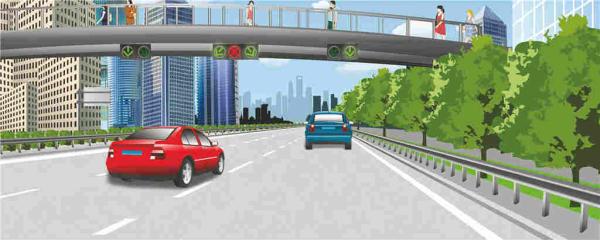
A. Right
B. Wrong
Answer: B
15. Under such circumstances, what should be done by a motor vehicle driver in order to yield out of courtesy?
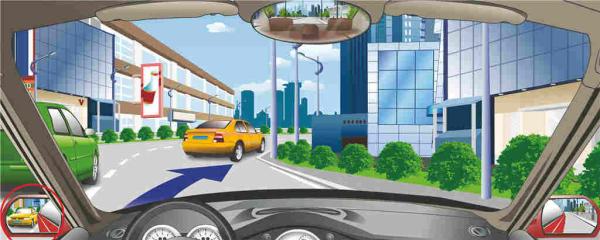
A. Driving at a higher speed
B. Closely following the vehicle in front
C. Driving at a higher speed by the right side
D. Driving at a lower speed by the right side
Answer: D
16. Drivers may turn left when traffic police give these hand signals.
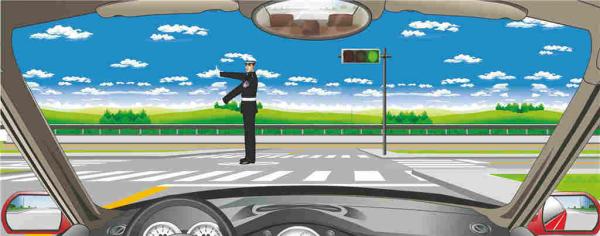
A. Right
B. Wrong
Answer: A
17. How many kinds of law-breaking acts are displayed in flash 4?
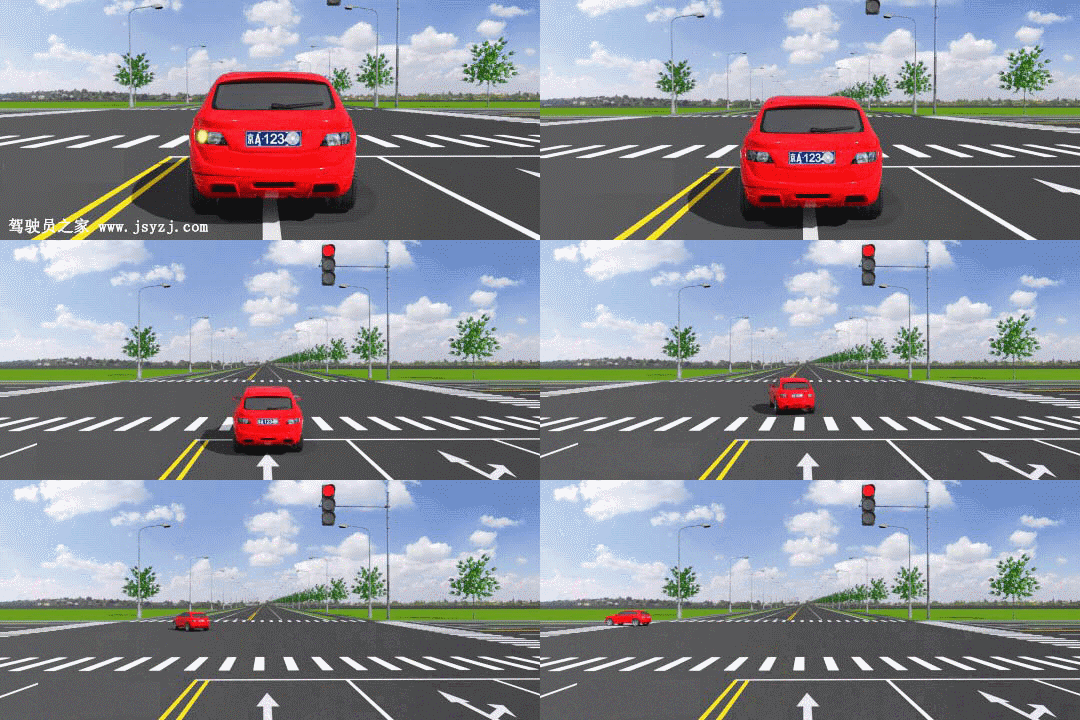
A. One
B. Two
C. Three
D. Four
Answer: C
18. When following other vehicles on the uphill section of a mountain road, what should the driver do if the vehicle in front stops?
A. Overtake from either side of the front vehicle
B. Stop close to the vehicle in front
C. Stop with a larger space from the vehicle in front
D. Sound the horn continuously to warn the other driver
Answer: C
19. The sign in front indicates that vehicles except large passenger vehicles are not allowed to drive on the right lane.
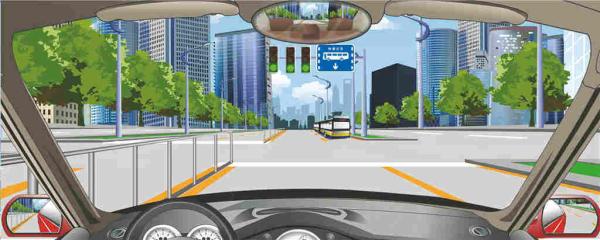
A. Right
B. Wrong
Answer: B
20. When encountering such a situation, the motor vehicle driver should change to the left lane rapidly.
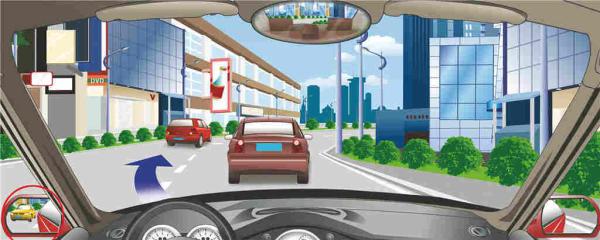
A. Right
B. Wrong
Answer: B