

1. What is the best way to make turns on this kind of curving mountain road?
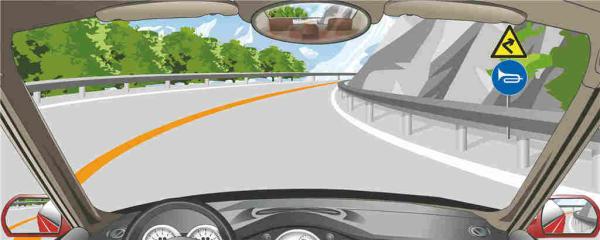
A. Drive along the outer side of the curve
B. Slow down, sound the horn and drive on the right
C. Borrow the opposite lane
D. Drive along the central line of the road
Answer: B
2. When temporarily parking on a raining day, what kind of lamp should the driver turn on?
A. Front and back fog lamps
B. Hazard warning lamp
C. Headlamp
D. Reversing lamp
Answer: B
3. When driving in thick or extremely thick fog, what should the driver do due to the low visibility in such weather?
A. Turn on the headlamp and drive slowly
B. Turn on the fog lamp and drive slowly
C. Park in a safe place
D. Drive slowly close to the roadside
Answer: C
4. Motor vehicle drivers should rush to the top of the slope in this situation.
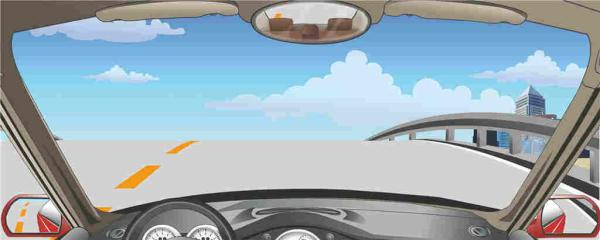
A. Right
B. Wrong
Answer: B
5. When finding a tire burst on the road, the driver should use emergency braking while controlling the direction of the vehicle at the same time to stop the vehicle quickly.
A. Right
B. Wrong
Answer: B
6. Before making a U-turn at the intersection ahead, motor vehicle drivers should drive to the lane for turning left and going straight.
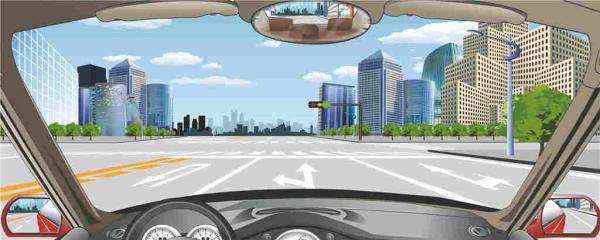
A. Right
B. Wrong
Answer: B
7. How many kinds of law-breaking acts are displayed in flash 1?
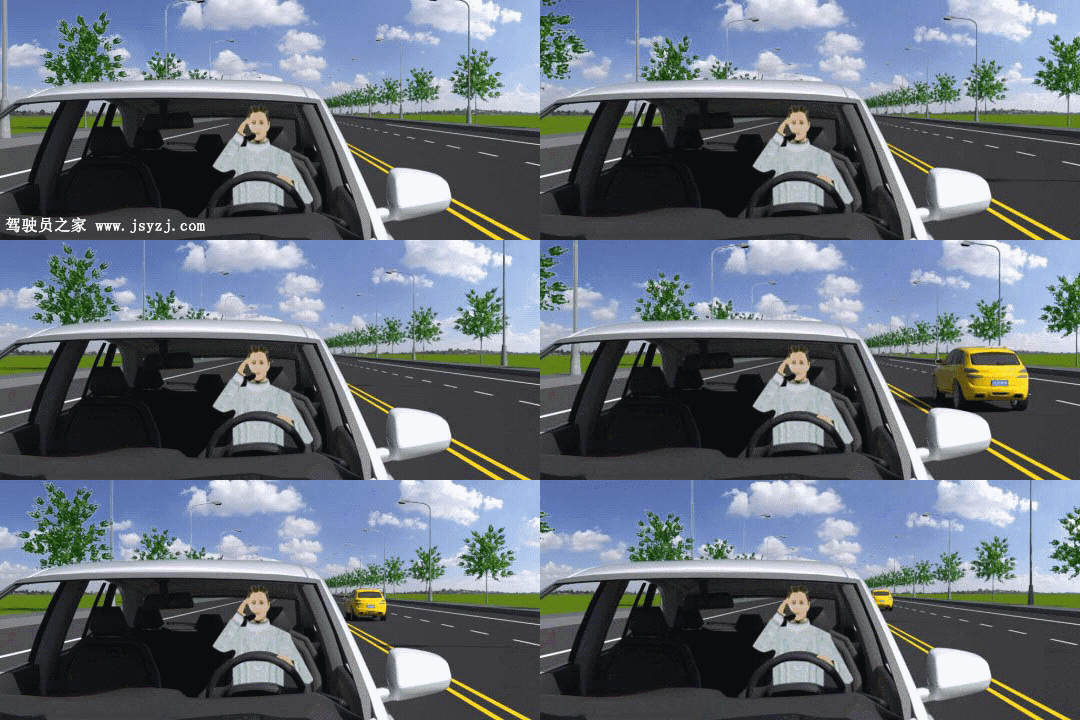
A. One
B. Two
C. Three
D. Four
Answer: B
8. Which one of following ways is the safest when driving a motor vehicle on this road?
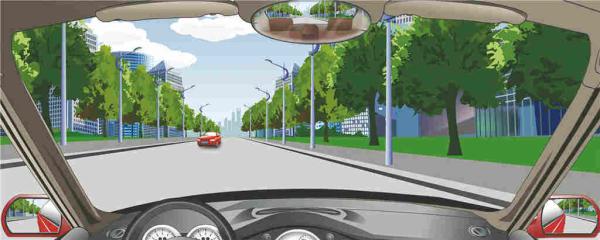
A. Driving along the central line of the road
B. Driving along the right side of the road
C. Driving at the middle of the road
D. Driving along the left side of the road
Answer: B
9. The guide arrow on the road surface of this lane indicates that the lanes ahead will merge to the left side.
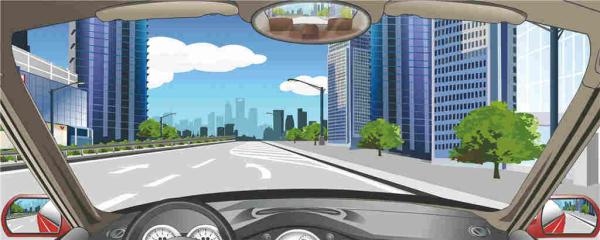
A. Right
B. Wrong
Answer: A
10. When a wounded person is unable to get off the vehicle by himself, he should be removed from the vehicle so as to avoid a secondary injury.
A. Right
B. Wrong
Answer: A
11. If a motor vehicle enters a driving lane under this situation, what should the driver do?
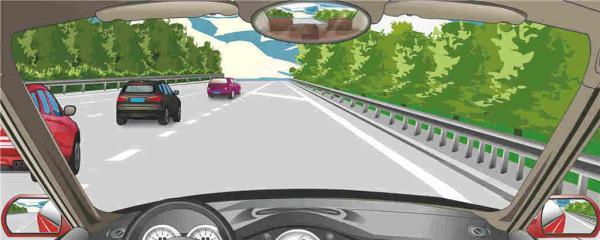
A. Control the driving speed and follow the last vehicle
B. Speed up and cut in front of the second vehicle
C. Speed up and cut in front of the first vehicle
D. Cut in between two vehicles at will
Answer: A
12. The area in the yellow rectangle markings on the right side of the road indicates that temporary stopping is permitted here.
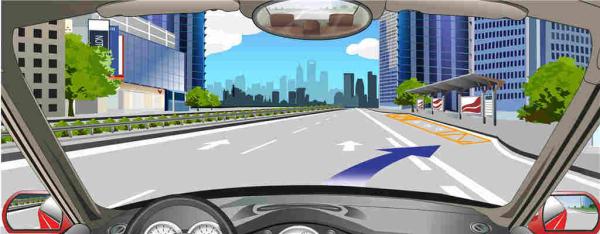
A. Right
B. Wrong
Answer: B
13. When a motor vehicle temporarily stops at night, which lamp should be turned on?
A. Front and rear fog lamp, clearance lamp and rear position lamp
B. Head lamp, clearance lamp and rear position lamp
C. Hazard lamp, clearance lamp and rear position lamp
D. Reverse lamp, clearance lamp and rear position lamp
Answer: C
14. The broken white reflective line on the road warns that drivers should drive at a lower speed on the road section ahead.
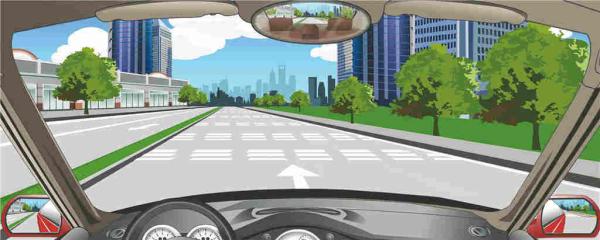
A. Right
B. Wrong
Answer: A
15. When encountering such a situation, the vehicles should cut speed or stop to yield as approaching each other.

A. Right
B. Wrong
Answer: A
16. When encountering such a situation, the motor vehicle driver should change to the left lane rapidly.
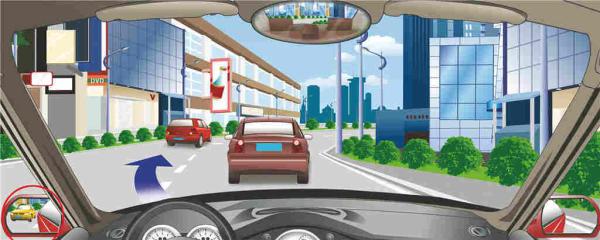
A. Right
B. Wrong
Answer: B
17. Which one of the following is the safest way when driving a motor vehicle on this road?
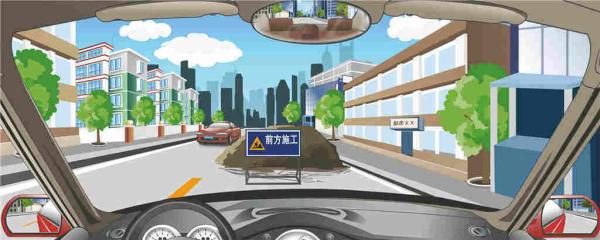
A. Speed up and bypass the obstacle
B. Take the opposite lane and compel the other vehicle to yield
C. Stop and yield to the oncoming vehicle
D. Sound the horn or turn on the headlamp
Answer: C
18. What should be done to keep safe when a motor vehicle driver is overtaking in this condition?
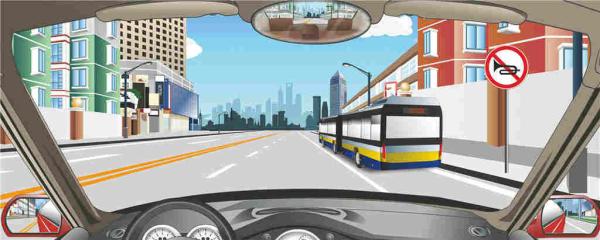
A. Reducing speed and keeping a safe distance
B. Continuously sounding the horn to indicate the vehicle in front
C. Accelerating to pass while keeping a certain distance
D. Overtaking by occupying the opposite lane
Answer: A
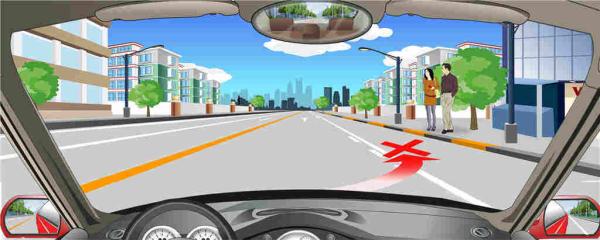
19. The yellow broken line on the curb indicates that vehicles are not allowed to stop and let passengers embark or disembark or load and unload freight at the roadside.
A. Right
B. Wrong
Answer: B
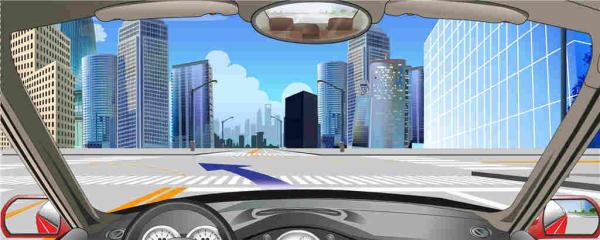
20. As shown in this picture, the intersection guide line is designed to help drivers make turns.
A. Right
B. Wrong
Answer: A