

1. What should motor vehicle drivers do when approaching an oncoming vehicle on a frozen road?
A. Cut speed as approaching each other
B. Pass each other by speeding up properly
C. Pass each other slowly by cutting speed in advance
D. Pass each other along the central line to the best
Answer: C
2. When extinguishing fire, the synthetic-made garments should not be taken off in order to protect the exposed skin from burning.
A. Right
B. Wrong
Answer: B
3. The sign on the left indicates no U-turn at the intersection ahead.

A. Right
B. Wrong
Answer: A
4. The sign on the right indicates that driving along left side only.
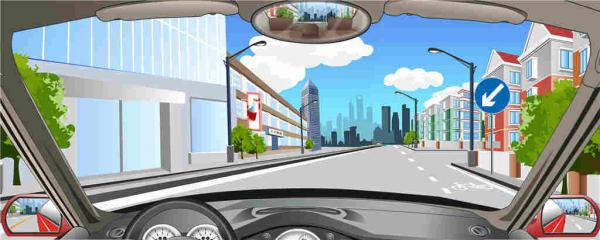
A. Right
B. Wrong
Answer: A
5. The motor vehicle should slow down and pass slowly in this situation.
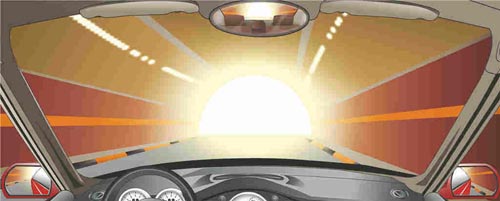
A. Right
B. Wrong
Answer: A
6. How should a motor vehicle follow the other vehicle In front when driving on a road covered with ice and snow?
A. Keep a long safe distance
B. Turn on hazard lamp
C. Change between high-and-low beam alternatively
D. Sound the horn in due time to give a notice to the vehicle in front
Answer: A
7. Motor vehicle drivers should use the windscreen wiper when setting off on a rainy day
A. Right
B. Wrong
Answer: A
8. The sign on the right warns for disabled people ahead.

A. Right
B. Wrong
Answer: A
9. The sign on the right warns of a wet road surface ahead.
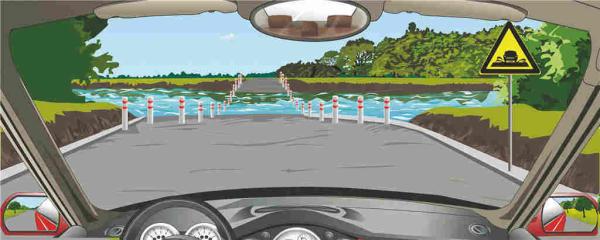
A. Right
B. Wrong
Answer: A
10. What should the driver do upon seeing this sign?
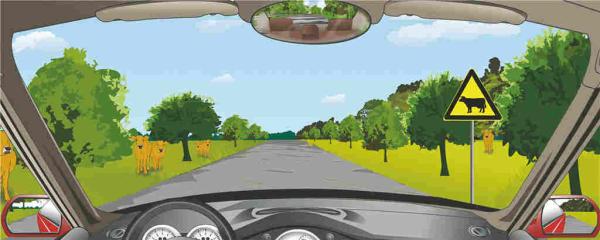
A. Slow down, look and pass slowly
B. Sound the horn to drive them away
C. Go through from the spaces between animals
D. Drive slowly and drive them away from the motor vehicle
Answer: A
11. What should be done by the driver who intends to overtake but finds that the vehicle in front is also overtaking?
A. Following the vehicle in front closely and finding a chance to overtake it
B. Accelerating to overtake forcefully
C. Continuously sounding the horn to urge the vehicle in front to yield
D. Refraining from overtaking and letting the vehicle in front overtake first
Answer: D
12. The sign on the right warns of an unguarded railway intersection ahead.

A. Right
B. Wrong
Answer: B
13. When steering failure happens suddenly, if the road condition permits straight movement, drivers should not apply emergency braking.
A. Right
B. Wrong
Answer: A
14. Under such circumstances, the motor vehicle driver should voluntarily reduce speed and let the vehicle behind overtake.
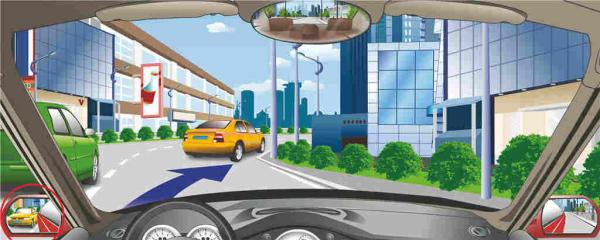
A. Right
B. Wrong
Answer: A
15. What is the most frequent problem for driving on a muddy road?
A. High resistance force
B. Sideways slide
C. The motor vehicle bumps
D. Steering failure
Answer: B
16. When a motor vehicle encounters thick fog on an expressway and the visibility is poor, the driver should immediately brake and stop.
A. Right
B. Wrong
Answer: B
17. How many kinds of law-breaking acts are displayed in flash 3?
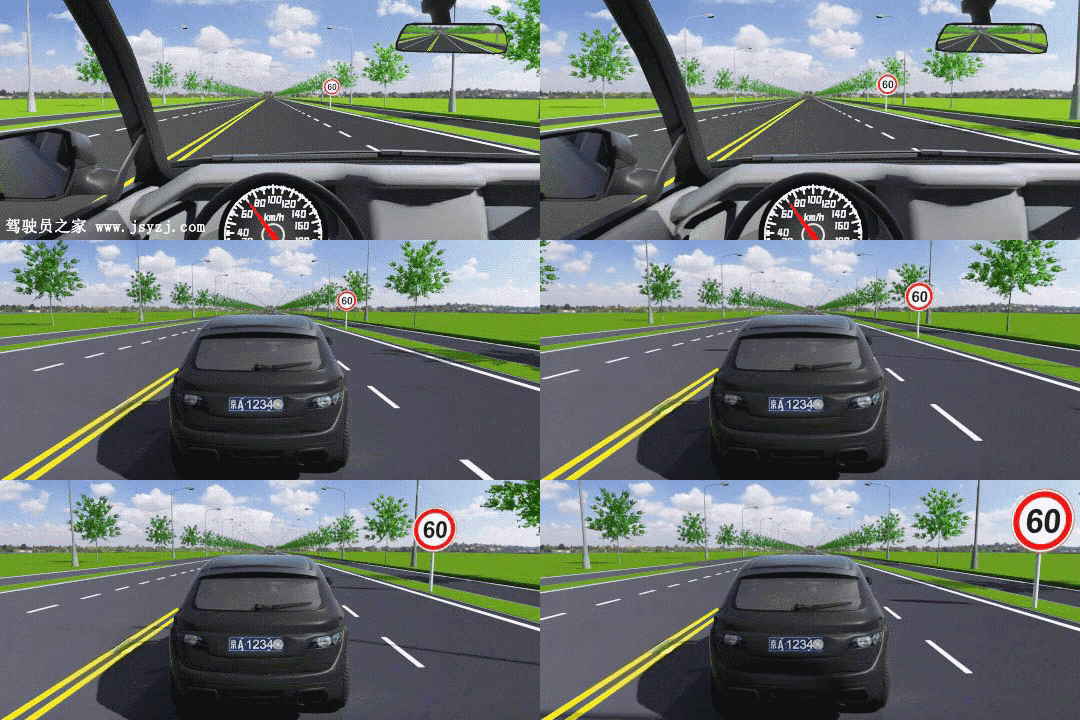
A. One
B. Two
C. Three
D. Four
Answer: B
18. When driving on a damp and slippery road, drivers should avoid using the emergency brake to his best ability.
A. Right
B. Wrong
Answer: A
19. The sign on the right warns of an embankment road 200 meters ahead.
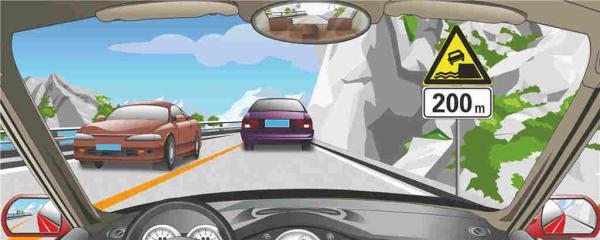
A. Right
B. Wrong
Answer: A
20. When encountering such a situation, the motor vehicle driver should change to the left lane rapidly.
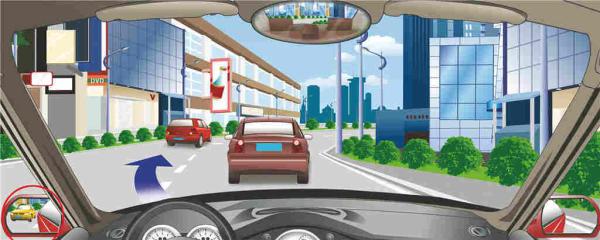
A. Right
B. Wrong
Answer: B