

1. The road marking on the right lane indicates that drivers may temporarily borrow the special lane for buses.
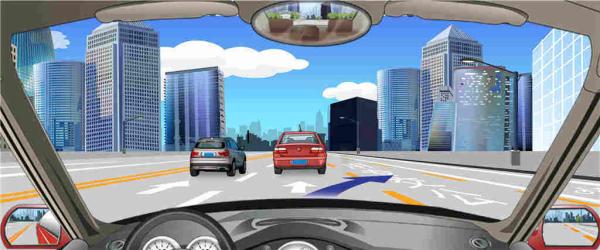
A. Right
B. Wrong
Answer: B
2. The sign on the right warns of a dangerous mountainside road ahead.
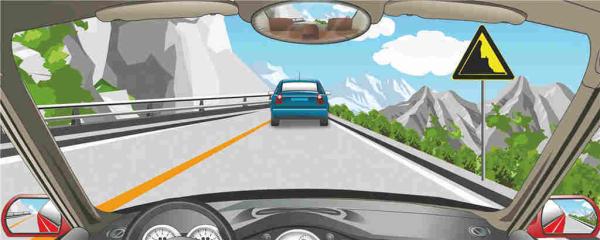
A. Right
B. Wrong
Answer: A
3. When fixing the unexposed bones in position, it is necessary to exceed the upper and lower joints of the wounded body part.
A. Right
B. Wrong
Answer: A
4. Motor vehicle drivers are allowed to overtake on this road section.
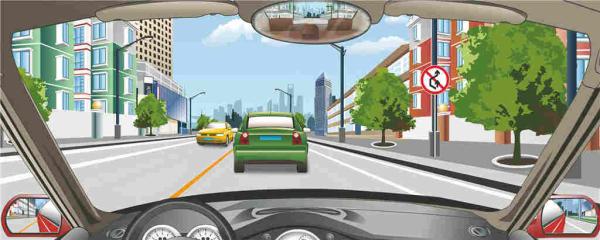
A. Right
B. Wrong
Answer: B
5. Having driven his vehicle at 110km/hour on an urban road, Mr. Lin is trying to leave the scene after a rear-end collision but is held back by bystanders. The alcohol concentration in his blood, tested in an alcohol test by the traffic police, is 135.8mg per hundred milliliters. Which of the following law-breaking acts did Mr. Lin commit?
A. Drunk driving
B. Speeding
C. Fatigued driving
D. Hit-and-run driving
Answer: ABD
6. When encountering such pedestrians, what should motor vehicle drivers do?
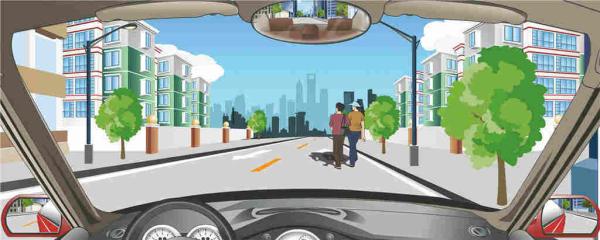
A. Go ahead along the middle line of the road
B. Continuously sound the horn
C. Speed up and overtake
D. Pay attention to the actions of such pedestrians
Answer: D
7. The sign on the right warns of a village or town ahead suggesting a 30km/hour speed.
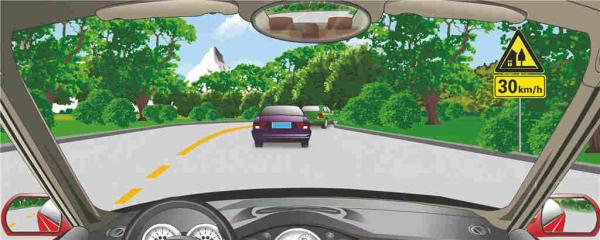
A. Right
B. Wrong
Answer: A
8. At 13: 10 pm, Mr. Luo set out in his medium bus from 0 km mark on the highway, and by 14: 10 had passed the 125km mark by 200 meters, he caused a rear-end collision with a motor vehicle that ran into the side slope on the southwest side, killing 11 people and injuring 2. Which of the following law-breaking acts did Mr. Luo commit?
A. Speeding
B. Driving not in accordance with traffic markings
C. Exceeding carrying capacity
D. Fatigued driving
Answer: A
9. The slow-down-and-yield line at the intersection ahead indicates that vehicle drivers should stop and give the right of way to vehicles on the trunk road.

A. Right
B. Wrong
Answer: B
10. When there is a braking failure on a downhill road, the driver should immediately try to find and drive to an emergency lane; after stopping the vehicle on the emergency lane, the driver should pull up the stopping brake so as to prevent a second danger arising from the vehicle sliding.
A. Right
B. Wrong
Answer: A
11. When parking temporarily in this situation, motor vehicle drivers are allowed to turn the steering wheel right to avoid sliding.
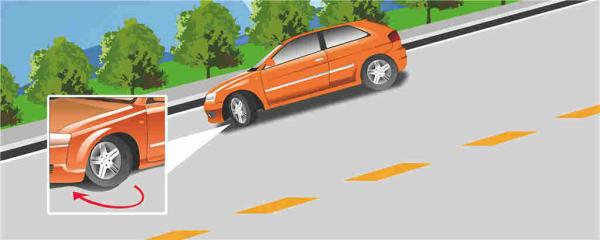
A. Right
B. Wrong
Answer: A
12. What does this sign on the fly-over junction indicate?
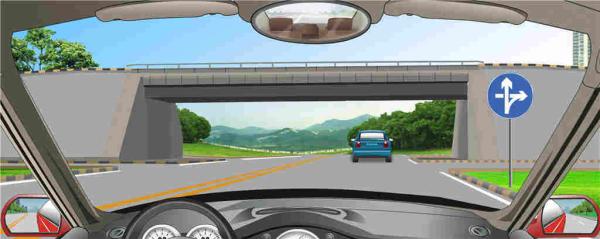
A. Turn right
B. Drive straight or turn left
C. Drive straight or turn right
D. Take a U-turn under bridge
Answer: C
13. What should the driver do if he wants to turn right at this intersection?
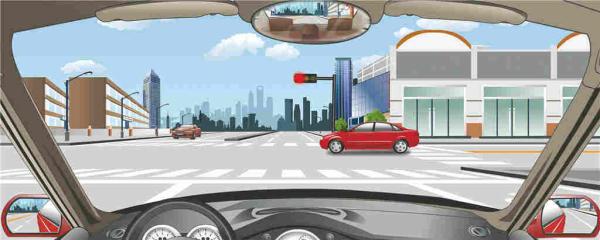
A. Turn right along the straight-going lane
B. Wait behind the stop line
C. Turn right along the right lane
D. Borrow the non-motor vehicle lane and turn right
Answer: C
14. Under such circumstances, what should the motor vehicle driver do?
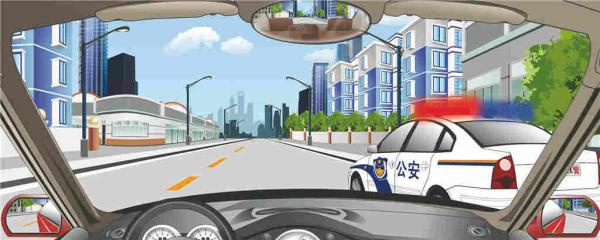
A. Reduce speed and yield by the left side
B. Reduce speed and yield by the right side
C. Speed up and yield by the left side
D. Go ahead along the original route
Answer: A
15. These traffic police signals indicate that passing is prohibited.
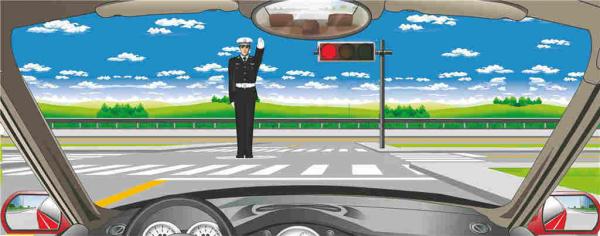
A. Right
B. Wrong
Answer: A
16. The sign on the right warns of a bumpy road ahead.
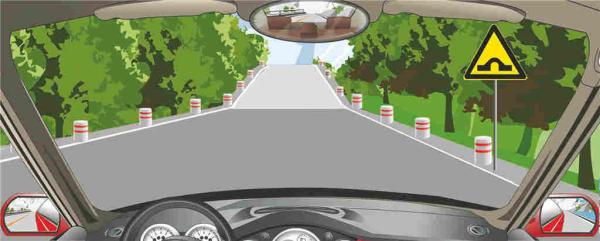
A. Right
B. Wrong
Answer: B
17. How should the driver use vehicle lights when the motor vehicle leaves a roundabout?
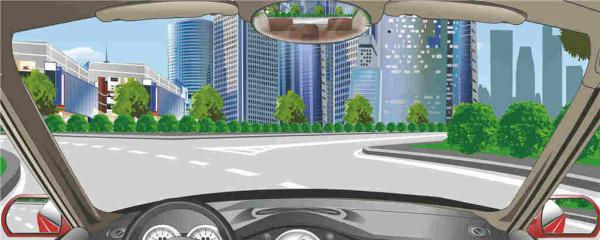
A. Turn on the left-turn indicator
B. Turn on the hazard lamps
C. No need to turn on any indicators
D. Turn on the right-turn indicator
Answer: D
18. What should a driver do before entering a tunnel on an expressway
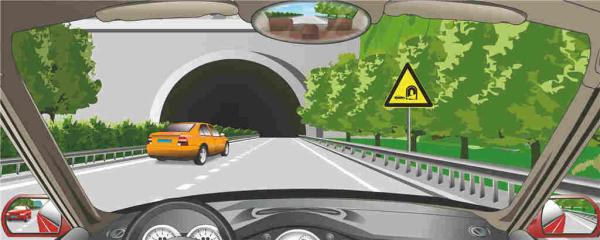
A. Turn on the high-beam
B. Turn on the width lamp and the tail lamp
C. Turn on the low-beam
D. Sound the horn before entering the tunnel
Answer: C
19. The marking on the road surface indicates that the speed limit of this road section is 50 km/hour.
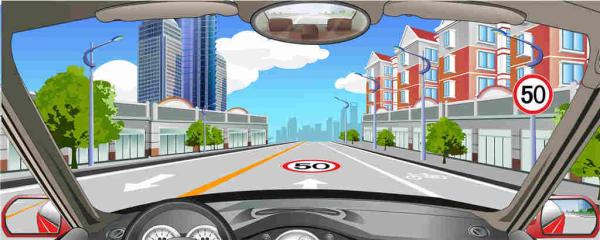
A. Right
B. Wrong
Answer: A
20. Dangerous chemicals possess the characteristics of explosion, inflammation, poison, erosion and radiation.
A. Right
B. Wrong
Answer: A