

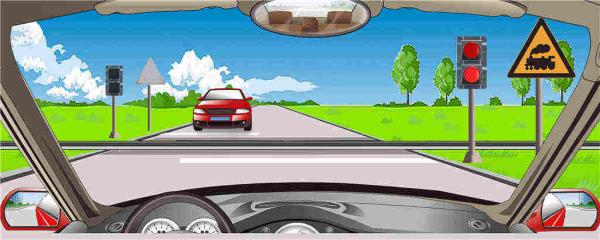
1. Motor vehicles should stop and wait when encountering two red lights flashing alternately at level crossings.
A. Right
B. Wrong
Answer: A
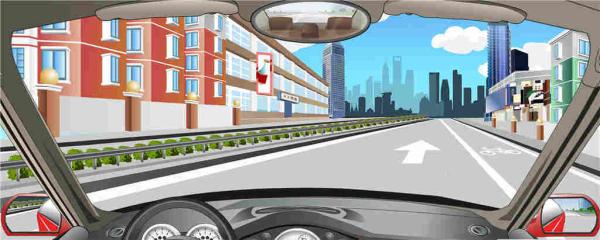
2. The white solid line on the right side of the road indicates the boundary of a driving lane and crosswalk.
A. Right
B. Wrong
Answer: B
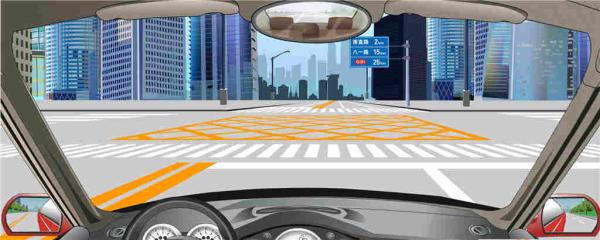
3. The sign in front is an advance announcement of famous places and distances en route.
A. Right
B. Wrong
Answer: A
4. Mr. Yang drove an adapted minibus (capacity 9 people and carrying 64 passengers, including 62 kindergarten pupils). When driving in Ma Caogou Village of Yu Linzi County, the bus used the lane for oncoming traffic and had a head-on colision with a heavy dump truck. As a result of this accident, 22 people were killed and 44 injured. What are the main illegal acts in this case?
A. The truck exceeded the speed limit
B. Illegal adaptation of a motor vehicle
C. The minibus carried more passengers than capacity
D. Driving in the opposite direction lane
Answer: BCD
5. When a motor vehicle deviates from the normal direction due to steering failure, what should the driver do?
A. Immediately steer and adjust
B. Reduce speed and stop the vehicle as early as possible
C. Steer to the side where there is no obstacle to evade
D. Steer to the side where there is an obstacle to evade
Answer: B
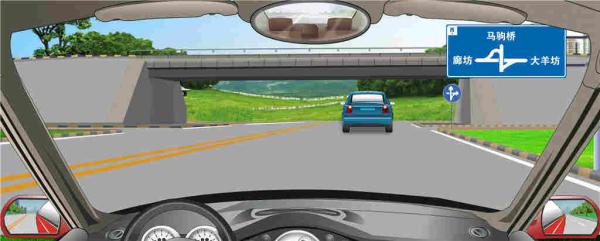
6. The sign in front is an advance announcement of the directions led by the interchange.
A. Right
B. Wrong
Answer: A
7. The sign in front indicates the allocation of roads ahead.
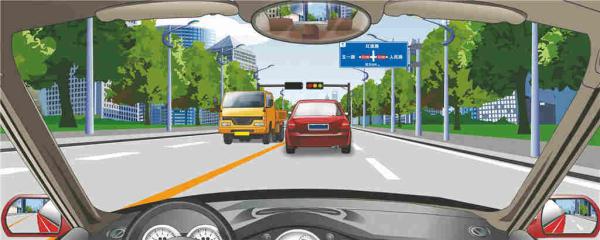
A. Right
B. Wrong
Answer: B
8. If a fast-moving motor vehicle has a steering failure, using emergency braking will not cause an overturn.
A. Right
B. Wrong
Answer: B
9. When there is a sudden braking failure on a downhill road, what should be done by the driver?
A. Driving to an emergency lane and reducing speed to stop
B. Dropping the gear by two positions
C. Changing to the reverse gear to force the vehicle to stop
D. Reducing speed by pulling up the handbrake
Answer: A
10. The diamond-shaped broken line warns that drivers should drive at a lower speed on the road sections ahead.
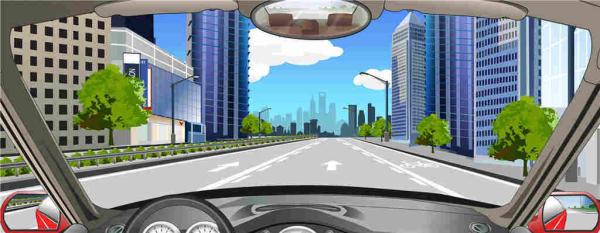
A. Right
B. Wrong
Answer: A
11. When rescuing a wounded person suffering from spinal fracture, which of the following measures should be taken?
A. Prevent heat loss
B. Rescue the wounded person with a soft stretcher
C. Keep the wounded part in position with a sling
D. Help the wounded person when walking
Answer: C
12. The sign on the right indicates that the speed limit is 50km/hour.
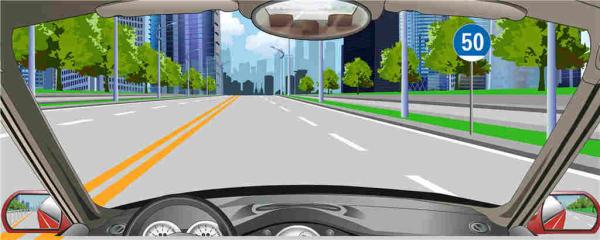
A. Right
B. Wrong
Answer: B
13. Under such circumstances, what should motor vehicle drivers do?
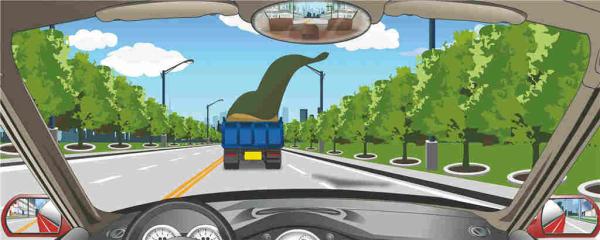
A. Follow the vehicle closely
B. Overtake the vehicle quickly on its left
C. Keep a long braking distance
D. Overtake the vehicle quickly on its right
Answer: C
14. Under this circumstance, motor vehicle drivers should give the right of way to oncoming vehicle.

A. Right
B. Wrong
Answer: A
15. When a motor vehicle temporarily stops at night, which lamp should be turned on?
A. Front and rear fog lamp, clearance lamp and rear position lamp
B. Head lamp, clearance lamp and rear position lamp
C. Hazard lamp, clearance lamp and rear position lamp
D. Reverse lamp, clearance lamp and rear position lamp
Answer: C
16. The guide arrow on the road surface of this lane indicates that only left and right turns are permitted on the lanes ahead.
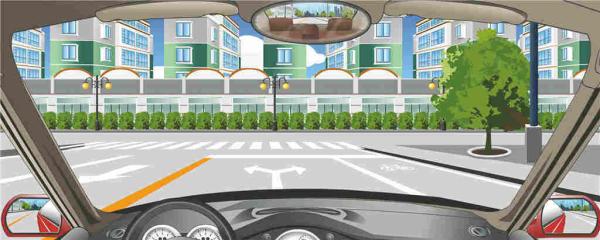
A. Right
B. Wrong
Answer: A
17. When a tire suddenly bursts on the road, the driver should violently depress the brake pedal to reduce speed and stop the vehicle.
A. Right
B. Wrong
Answer: B
18. The sign on the right indicates that sounding the horn is prohibited here.
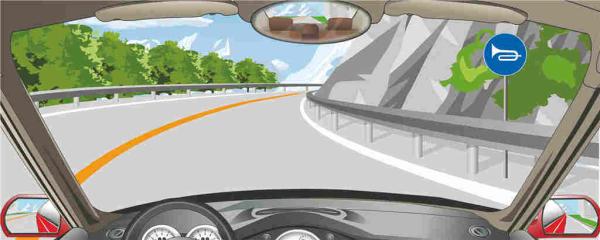
A. Right
B. Wrong
Answer: B
19. Drivers should drive at a lower speed when traffic police give these hand signals.
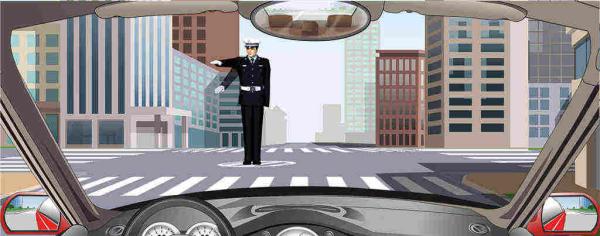
A. Right
B. Wrong
Answer: A
20. Which of the following measures should be taken first when rescuing a wounded person suffering blood loss?
A. Observe
B. Dress the wounds
C. Stop bleeding
D. Inquire
Answer: C