

1. As shown in this picture, the intersection guide line is designed to help drivers make turns.

A. Right
B. Wrong
Answer: A
2. What is the emergency measure to deal with a sudden tire burst on the road?
A. Swiftly braking to slow down
B. Firmly hold the steering wheel and steadily stop the vehicle as early as possible
C. Swiftly turn the steering wheel to adjust the direction
D. Go ahead at a low speed and find a place for tire change
Answer: B
3. When rescuing a wounded person who has been poisoned by toxic gas, which of the following measures should be taken first?
A. Prevent heat loss
B. Bring him to a place with fresh air
C. Give him artificial respiration
D. Depress the heart over the chest
Answer: B
4. If a fast-moving motor vehicle has a steering failure, using emergency braking will not cause an overturn.
A. Right
B. Wrong
Answer: B
5. Matches, sulfur and red phosphorus belong to which of the following dangerous chemicals?
A. Explosives
B. Oxidizing materials
C. Self-igniting articles
D. Inflammable solid materials
Answer: D
6. The sign on the right indicates the location of the highway emergency phone.
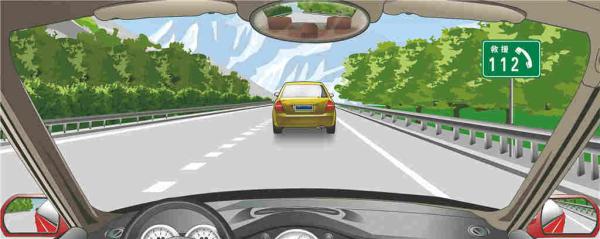
A. Right
B. Wrong
Answer: B
7. When driving in rain and encountering pedestrians with umbrellas or wearing raincoats, what should be done by motor vehicle drivers in order to yield?
A. Drive at a normal speed
B. Sound the horn to alert when approaching the pedestrians
C. Speed up and bypass on the left
D. Reduce speed and sound the horn in advance
Answer: D
8. The broken yellow line in the center of the road indicates that overtaking by crossing the line is permitted in safe situations.
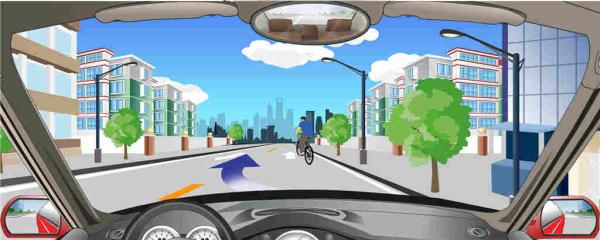
A. Right
B. Wrong
Answer: A
9. At this moment, the driver may speed up and pass the intersection rapidly.

A. Right
B. Wrong
Answer: B
10. When overtaking on a rainy day, drivers should turn on headlamps and sound a long horn.
A. Right
B. Wrong
Answer: B
11. As shown in the flash, the motor vehicle chooses a correct way to pass through the level crossing.

A. Right
B. Wrong
Answer: A
12. The yellow broken line on the curb indicates that vehicles are not allowed to stop and let passengers embark or disembark or load and unload freight at the roadside.
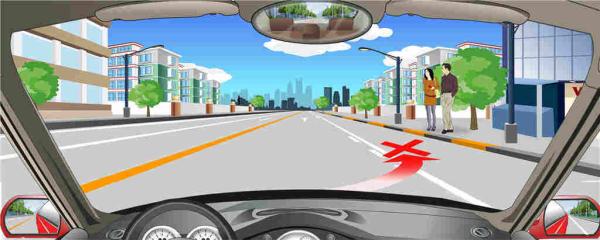
A. Right
B. Wrong
Answer: B
13. When there is a braking failure on a downhill road, the driver should immediately try to find and drive to an emergency lane; after stopping the vehicle on the emergency lane, the driver should pull up the stopping brake so as to prevent a second danger arising from the vehicle sliding.
A. Right
B. Wrong
Answer: A
14. When a motor vehicle breaks down on an expressway and cannot be moved away from the driving lane, the driver may conduct emergency repairs on the driving lane.
A. Right
B. Wrong
Answer: B
15. The circle in the center of the intersection indicates that drivers should drive along the inner side when making a small left turn.
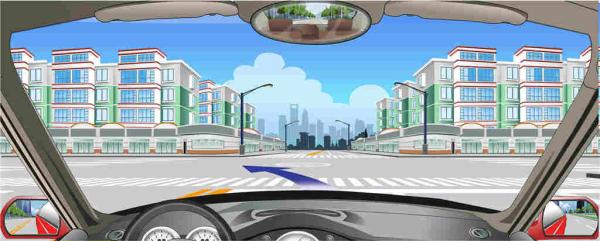
A. Right
B. Wrong
Answer: A
16. When a vehicle encounters a strong side wind, the driver should firmly hold the steering wheel and press the brake urgently if he feels the vehicle deviates horizontally from the normal direction.
A. Right
B. Wrong
Answer: B
17. What should be checked before driving?
A. No parts need to be checked
B. Whether the tires have been cleaned
C. Where the spare tire is placed
D. The fastening and air pressure of tires
Answer: D
18. The sign on the right warns of low-lying road ahead.

A. Right
B. Wrong
Answer: A
19. When encountering a situation like changing to a left lane, motor vehicle drivers should yield.

A. Right
B. Wrong
Answer: A
20. This sign warns that the section ahead is under traffic monitoring.
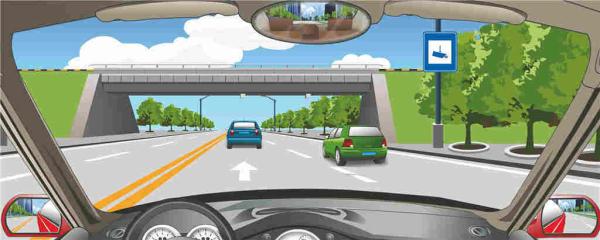
A. Right
B. Wrong
Answer: A