

1. The braking distance will be shortened greatly when the motor vehicle is equipped with ABS brakes.
A. Right
B. Wrong
Answer: B
2. What should be given attention when setting off in this weather?
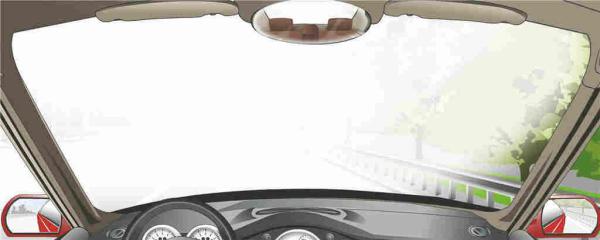
A. Turning on the high-beam
B. Turning on the front and rear fog lamps
C. Turning on the left indicator only
D. Continuously sounding the horn
Answer: B
3. What should the driver do when the motor vehicle encounters this situation?
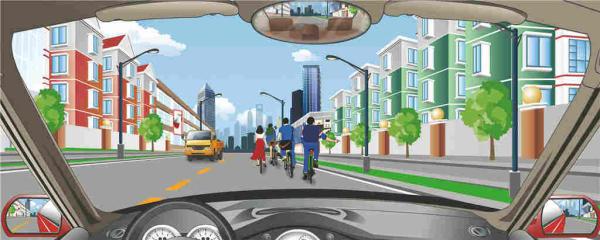
A. Overtake immediately
B. Sound the horn continuously to warn
C. Maintain safety distance and overtake
D. Sound horn and speed up to overtake
Answer: C
4. What caused this drivers death in an accident?

A. Failing to fasten seatbelt
B. Positioned too close to the steering wheel
C. Failing to hold the steering wheel
D. Failing to turn on SRS
Answer: A
5. Motor vehicles should stop and yield rapidly when encountering this situation at a bus station.
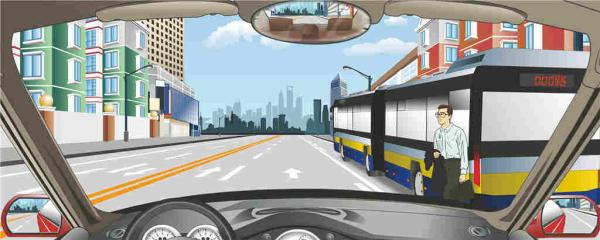
A. Right
B. Wrong
Answer: A
6. When entering an expressway ramp, which of the following statements is correct?
A. Drivers are allowed to overtake other vehicles
B. Drivers are prohibited from making U-turns
C. Drivers are allowed to stop
D. Drivers are allowed to reverse
Answer: B
7. On a mountain road, what should the driver do in this situation?
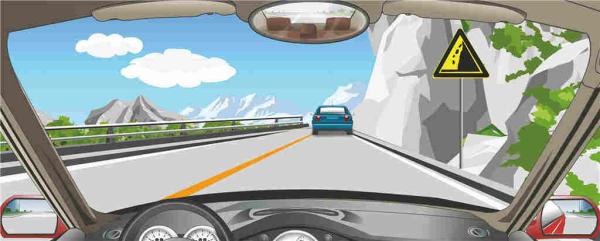
A. Drive on the left and speed up to bypass
B. Stop to observe and pass slowly
C. Observe closely and pass as soon as possible
D. Sound the horn several times and pass slowly
Answer: C
8. The sign on the right warns of a wet road surface ahead.
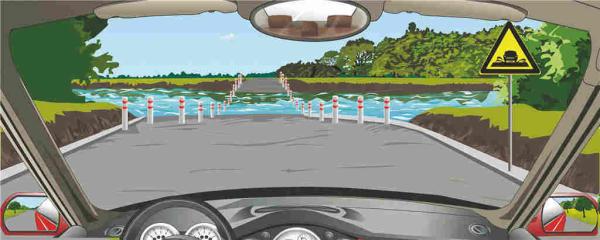
A. Right
B. Wrong
Answer: A
9. How many kinds of law-breaking acts are displayed in flash 4?
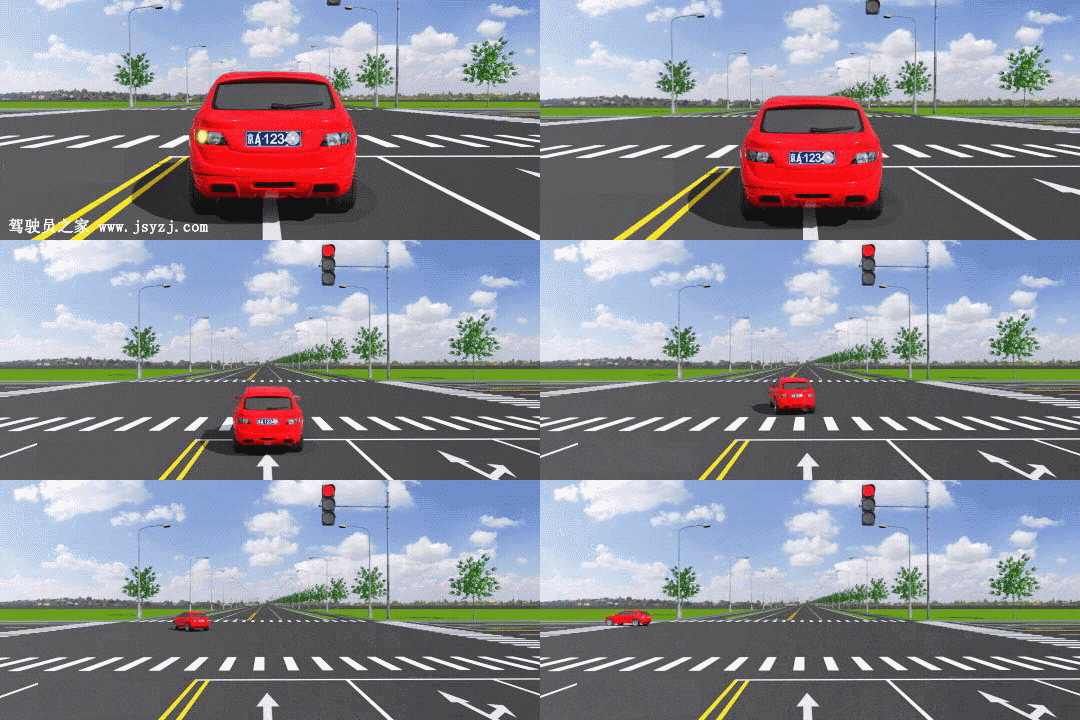
A. One
B. Two
C. Three
D. Four
Answer: C
10. When driving on a snowy day, drivers should follow the tracks on the road before them.
A. Right
B. Wrong
Answer: A
11. Drivers are not allowed to cross these lane-dividing lines when overtaking in the same direction.
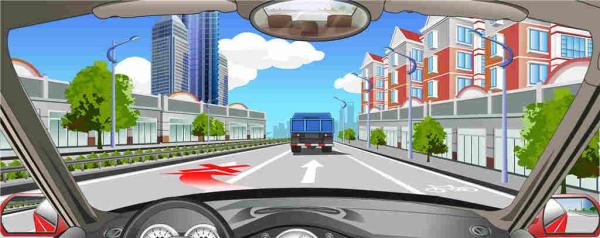
A. Right
B. Wrong
Answer: A
12. Having driven a medium passenger vehicle (carrying 27 passengers) to the southern end of Qianling Village of Sidu Town, Mr. Xu drove upslope but the vehicle slid backward and dropped from an 80-meter cliff, killing 11 people and injuring 7. Which of the following law-breaking acts did Mr. Xu commit?
A. Fatigued driving
B. Drunk driving
C. Exceeding the carrying capacity of the passenger vehicle
D. Speeding
Answer: C
13. The main impact of muddy roads on safe driving is that the wheels may easily spin and skid
A. Right
B. Wrong
Answer: A
14. The sign on the right warns of a guarded crossing 150 meters ahead.
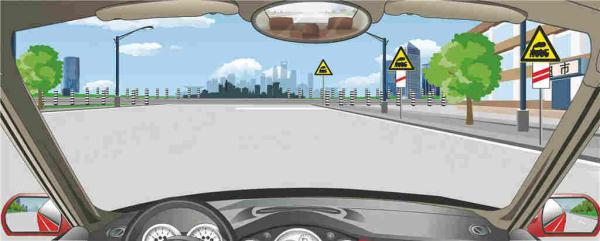
A. Right
B. Wrong
Answer: B
15. A driver should speed up when passing through road sections with this traffic marking.

A. Right
B. Wrong
Answer: B
16. When encountering this situation around a school, the driver should speed up and pass as quickly as possible.

A. Right
B. Wrong
Answer: B
17. Motor vehicle drivers are allowed to overtake on this road section.
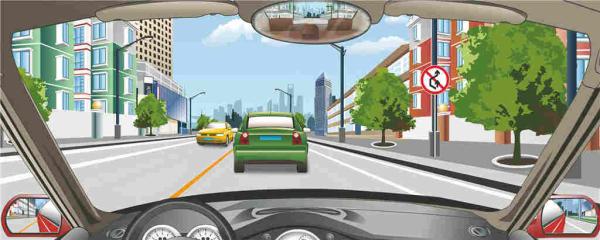
A. Right
B. Wrong
Answer: B
18. The sign on the right warns of a one-way tunnel ahead.
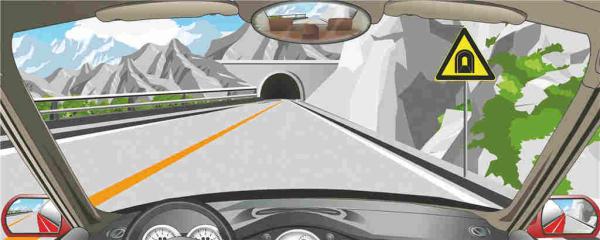
A. Right
B. Wrong
Answer: B
19. The sign on the right indicates that the speed limit of 40km/hour is lifted on the road ahead.
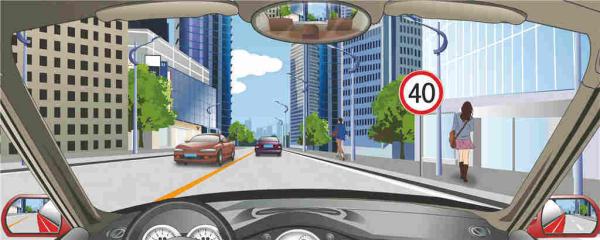
A. Right
B. Wrong
Answer: B
20. When driving in a residential area, the driver should not exceed the speed indicated by the speed limit sign.
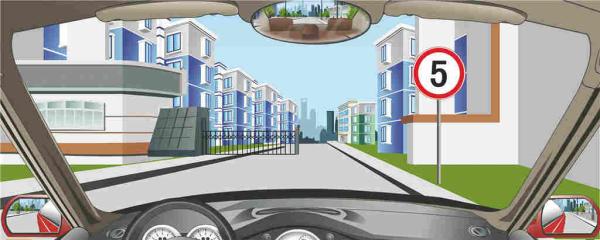
A. Right
B. Wrong
Answer: A