

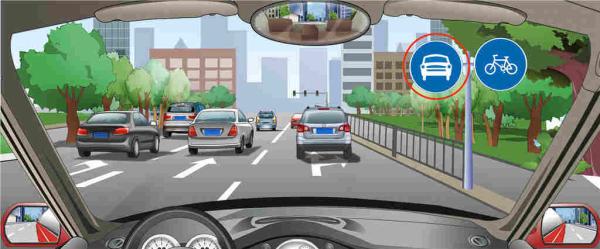
1. The sign in the red circle indicates that the left road is only for small vehicles.
A. Right
B. Wrong
Answer: B
2. What should the driver do when the motor vehicle passes the level crossing?
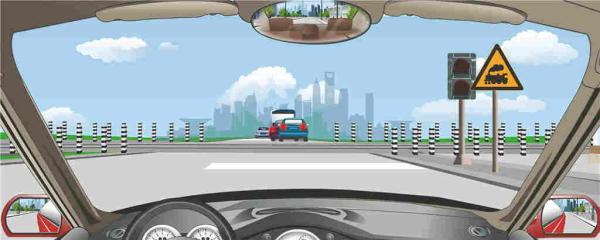
A. Change to neutral gear and slide over
B. Stop, look and pass
C. Speed up, look and pass rapidly
D. Slow down, look and pass slowly
Answer: B
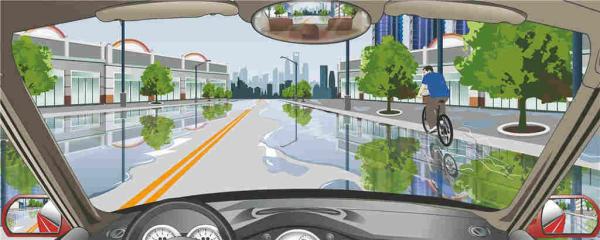
3. The motor vehicle should speed up and pass rapidly under this situation.
A. Right
B. Wrong
Answer: B
4. What should the driver do to ensure safe driving when the motor vehicle encounters this situation in a residential area?

A. Sound the horn to warn the pedestrians
B. Speed up and pass as quickly as possible
C. Retain a normal speed
D. Slow down and prepare to stop
Answer: D
5. If a motor vehicle breaks down or causes a traffic accident on the expressway and cannot run normally the vehicle may be towed by any accompanying motor vehicles.
A. Right
B. Wrong
Answer: B
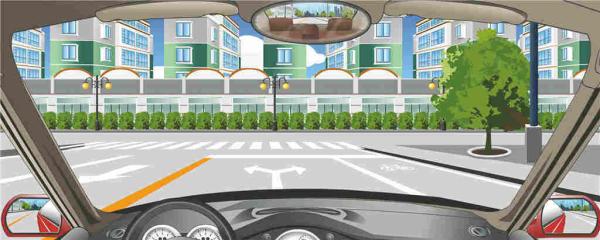
6. The guide arrow on the road surface of this lane indicates that only left and right turns are permitted on the lanes ahead.
A. Right
B. Wrong
Answer: A
7. Motor vehicles are prohibited from stopping on the ramp of an expressway.
A. Right
B. Wrong
Answer: A
8. Motor vehicle drivers should rush to the top of the slope in this situation.
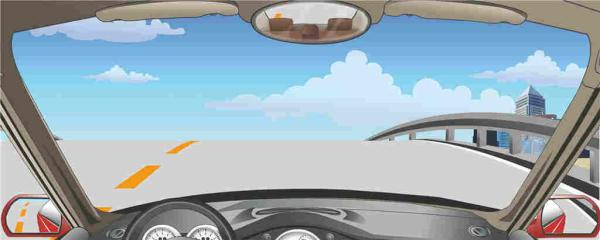
A. Right
B. Wrong
Answer: B
9. The sign on the right warns of a widened right-hand road ahead.
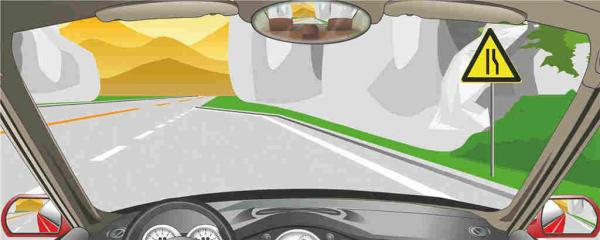
A. Right
B. Wrong
Answer: B
10. After speeding up to more than 60 km/hour, a motor vehicle driver may drive onto the driving lane directly.
A. Right
B. Wrong
Answer: B
11. What needs attention when a motor vehicle drives on a road covered with ice and snow?
A. Braking length is extended
B. Anti-skating resistance will be greater
C. The adhesive force of the road will be greater
D. The braking length will be shorter
Answer: A
12. The sign on the right warns that there are vehicles converging into the intersection on the right.
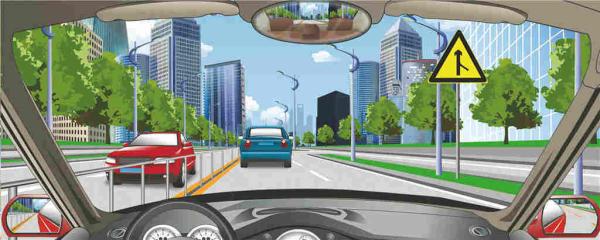
A. Right
B. Wrong
Answer: A
13. Sounding the horn on a foggy day can arouse the attention of the opposite side. After hearing the horn from the opposite side, the driver should also sound their own horn to respond.
A. Right
B. Wrong
Answer: A
14. When a motor vehicle accidentally hits the guardrail of the highway, what should be done by the driver in order to keep safe?
A. Firmly holding and properly adjusting the steering wheel
B. Turning swiftly to the opposite direction
C. Immediately applying emergency braking
D. Immediately steering to the collision side
Answer: A
15. Matches, sulfur and red phosphorus belong to which of the following dangerous chemicals?
A. Explosives
B. Oxidizing materials
C. Self-igniting articles
D. Inflammable solid materials
Answer: D
16. The sign on the right indicates that drivers should choose their lanes in accordance withthe directions indicated by arrows.
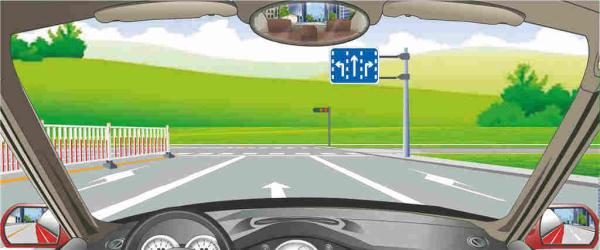
A. Right
B. Wrong
Answer: A
17. When encountering a school bus which stops at the right roadside and students are embarking or disembarking, and there are three motor vehicle lanes in each direction, motor vehicle drivers on the left lane behind the bus should stop and wait.
A. Right
B. Wrong
Answer: B
18. When encountering an emergency on a highway, the driver should not drastically turn to evade.
A. Right
B. Wrong
Answer: A
19. When encountering such pedestrians, motor vehicle drivers may continuously sound the horn to alert them to yield.
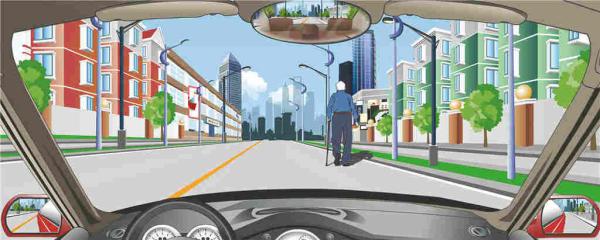
A. Right
B. Wrong
Answer: B
20. When driving a motor vehicle not equipped with the anti-lock braking system (ABS), what should the driver do if he brakes on a road covered by ice and snow?
A. Gently or intermittently depress the brake pedal
B. Depress the brake pedal as on other roads
C. Violently depress the brake pedal
D. Suddenly depress the pedal with force
Answer: A