

1. Motor vehicle drivers are allowed to overtake on this road section.
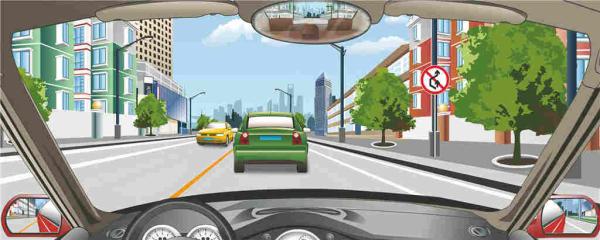
A. Right
B. Wrong
Answer: B
2. Under such circumstances, what should motor vehicle drivers do?
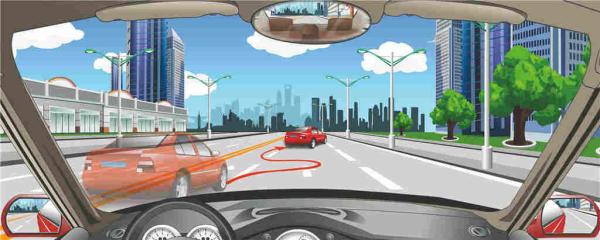
A. Overtake the vehicle quickly on its left
B. Keep a long braking space
C. Continuously sound the horn to alert the vehicle in front
D. Overtake the vehicle quickly from its right
Answer: B
3. The sign on the left indicates U-turn is allowed here.
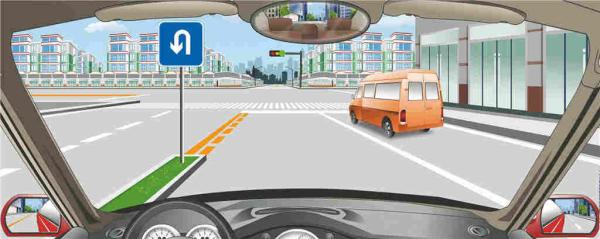
A. Right
B. Wrong
Answer: A
4. When driving onto the left lane, motor vehicle drivers are allowed to make a U-turn.
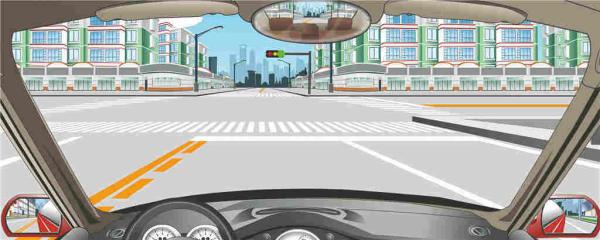
A. Right
B. Wrong
Answer: A
5. Which of the following is an inflammable solid material?
A. Matches
B. Gun powder
C. Calcium carbide
D. Explosives
Answer: A
6. The sign on the right warns of an unguarded railway crossing 150 meters ahead.
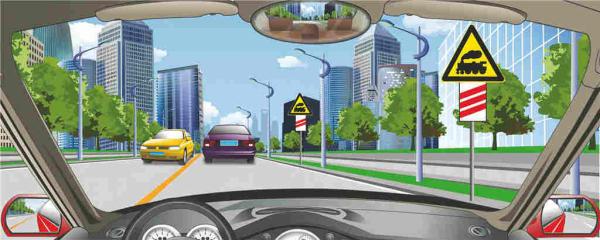
A. Right
B. Wrong
Answer: A
7. How should the driver use vehicle lights when the motor vehicle enters this intersection?
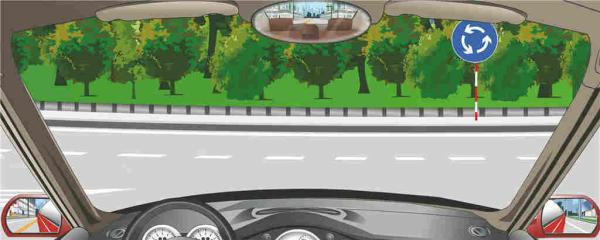
A. Turn on the right-turn indicator
B. Turn on the hazard lamps
C. No need to turn on any indicators
D. Turn on the left indicator
Answer: C
8. When following other vehicles on the uphill section of a mountain road, what should the driver do if the vehicle in front stops?
A. Overtake from either side of the front vehicle
B. Stop close to the vehicle in front
C. Stop with a larger space from the vehicle in front
D. Sound the horn continuously to warn the other driver
Answer: C
9. The sign on the right indicates a 2-kilometer distance from the Donglushan Service Area on the highway.
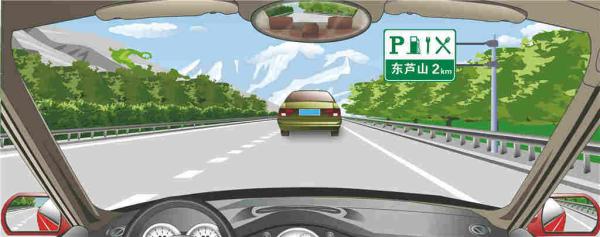
A. Right
B. Wrong
Answer: A
10. The sign in front indicates the name and number of the highway.
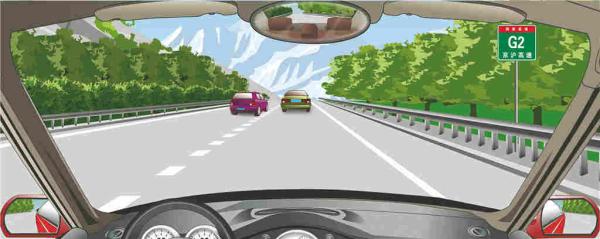
A. Right
B. Wrong
Answer: A
11. The road marker indicates that vehicles are not allowed to make a U-turn at the intersection ahead.
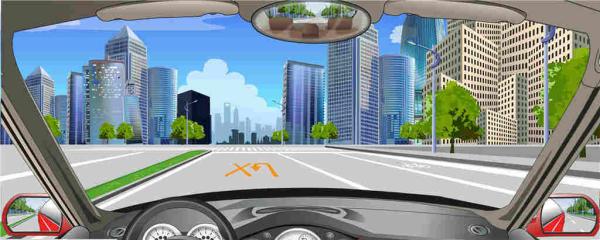
A. Right
B. Wrong
Answer: A
12. In the condition of low visibility, drivers should turn on the low-beam when setting off
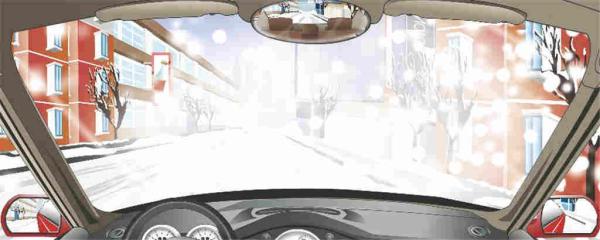
A. Right
B. Wrong
Answer: A
13. The sign on the left warns that there are vehicles converging into the intersection on the left.
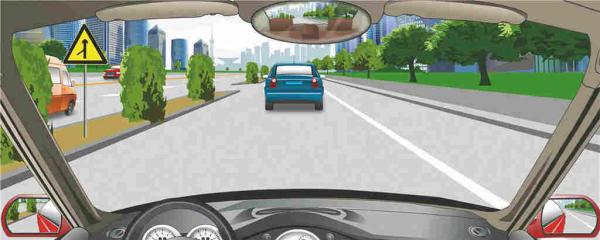
A. Right
B. Wrong
Answer: A
14. The sign above the tunnel indicates a height limit of 3.5 meters on the road ahead.
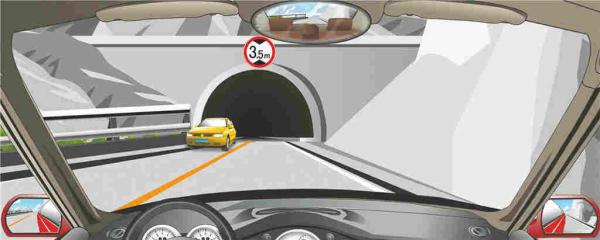
A. Right
B. Wrong
Answer: A
15. When driving on an expressway in rain, the driver should slow down to avoid steering failure arising from water slide
A. Right
B. Wrong
Answer: A
16. For a temporary stop on a foggy day, the driver should only turn on the fog lamp and the low-beam
A. Right
B. Wrong
Answer: B
17. When driving on road sections where safe sight distance is affected, such as the top of a ramp, what should drivers do to ensure safety?
A. Rush through
B. Use hazard lamp
C. Cut speed and sound the horn
D. Drive at will
Answer: C
18. The sign on the right warns of a hump bridge right ahead.
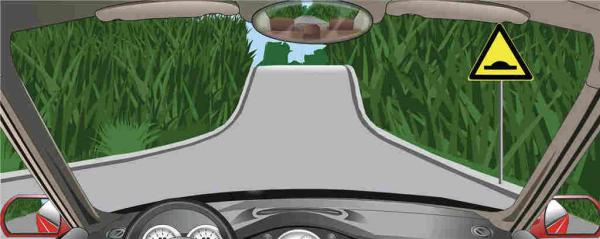
A. Right
B. Wrong
Answer: B
19. This sign warns to bypass from the right side to avoid the roadblock.
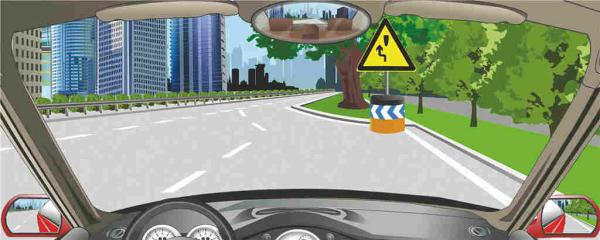
A. Right
B. Wrong
Answer: B
20. When a fast-moving vehicle is likely to collide with the vehicle in front, what should the driver do?
A. Brake to reduce speed first, and then steer to evade
B. Turn the steering wheel quickly to the left side to evade
C. Turn the steering wheel quickly to the right side to evade
D. Steer to evade first, and then brake to reduce speed
Answer: A