

1. Whats the meaning of the marking in the red circle?
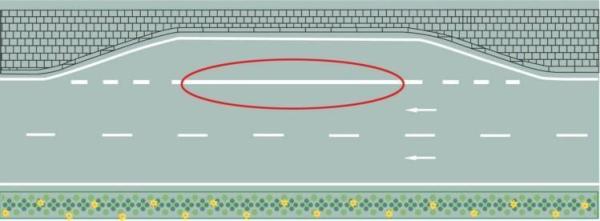
A. temporary stopping
B. bay-stopping
C. emergency stopping
D. public bus station
Answer: B
2. Move the switch up and down, the windscreen wipers start working.
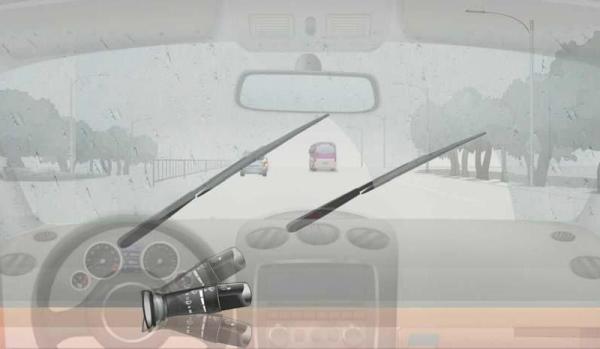
A. Right
B. Wrong
Answer: A
3. Whats the meaning of this sign?

A. reducing speed 40m ahead
B. minimum speed is 40km/hr
C. axle weight limit is 40 tons
D. maximum speed limit is 40km/hr
Answer: D
4. May not drive if _____
A. the window is not closed
B. the door is not closed
C. the audio device is not closed
D. the roof window is not closed
Answer: B
5. When a vehicle goes downhill on a mountain road, it is not allowed to overtake.
A. Right
B. Wrong
Answer: A
6. What causes the rear-end collision?
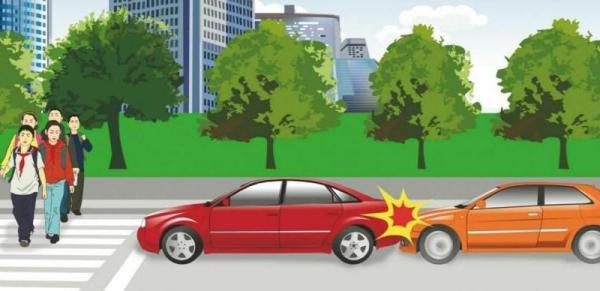
A. not observe through the rear-view mirror while the vehicle in front brakes
B. the vehicle in front brakes suddenly
C. distance from the vehicle in front is too close when the rear vehicle overtakes
D. not maintain a safe distance from the vehicle in front
Answer: D
7. If the vehicle has no license plate, label of inspection or label of insurance, preserve the scene and immediately report to the police.
A. Right
B. Wrong
Answer: A
8. What is the max speed on this highway?
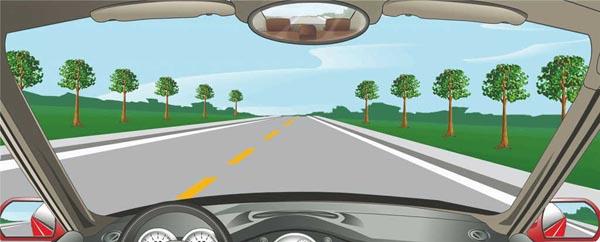
A. 30km/hr
B. 40km/hr
C. 50km/hr
D. 70km/hr
Answer: D
9. The validity of the driving license which is initially applied for is 4 years.
A. Right
B. Wrong
Answer: B
10. The main impact of mountain roads on safe driving is _______.
A. The traffic conditions are boring
B. The slopes are long, the curves are sharp and visibility range is shorter.
C. The traffic flow is heavy
D. The road signs are fewer
Answer: B
11. Whats the meaning of the double white broken lines in far front of the intersection?
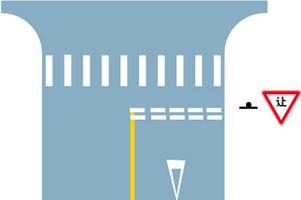
A. waiting to run line
B. stopping and yield line
C. slowdown and yield line
D. left-turn waiting line
Answer: C
12. Whats the meaning of this sign?
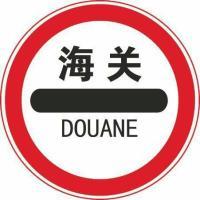
A. national boundaries
B. border defense
C. boundaries
D. customs
Answer: D
13. A motorized vehicle driver who drives more than 50% faster than the prescribed speed limit is subject to a 12-point penalty.
A. Right
B. Wrong
Answer: A
14. It lights when turning on the rear fog light.

A. Right
B. Wrong
Answer: B
15. When a vehicle goes downhill, it may fully use the neutral gear and slide.
A. Right
B. Wrong
Answer: B
16. What is this instrument?
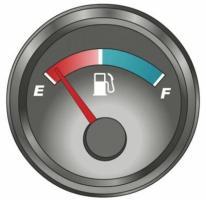
A. pressure meter
B. ammeter
C. water temperature meter
D. fuel meter
Answer: D
17. The yellow lane-dividing line on the road is used to _____

A. allow to drive in left lane
B. separate the traffic flow in opposite directions
C. separate the traffic flow in the same direction
D. prohibit to cross the opposite lane
Answer: B
18. You can overtake from both sides in this case.
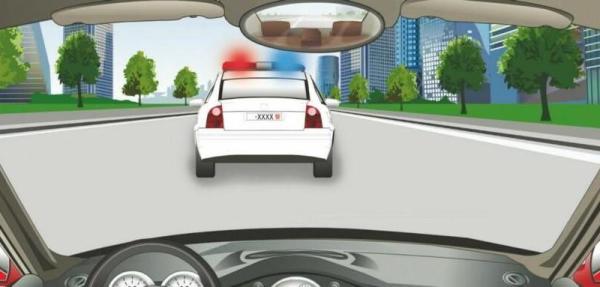
A. Right
B. Wrong
Answer: B
19. How to do first when encountering such kind of bridge?
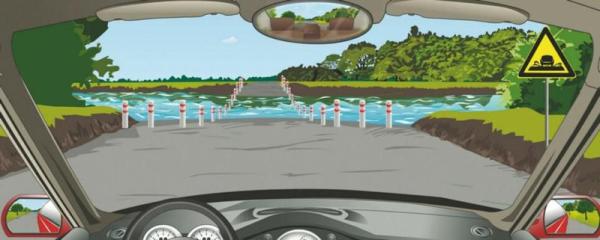
A. maintain the speed and pass
B. speed up and pass as soon as possible
C. stop and observe
D. pass slowly
Answer: C
20. Whats the meaning of this sign?
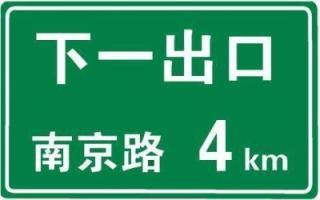
A. expressway left exit ahead
B. expressway destination ahead
C. expressway right exit ahead
D. expressway next exit ahead
Answer: D