

1. Under such circumstances, what should be done by the motor vehicle driver?

A. Overtaking the vehicle in front on its left
B. Overtaking by occupying the opposite lane
C. Overtaking the vehicle in front on its right
D. Following the vehicle in front
Answer: D
2. The motor vehicle should slow down and pass slowly in this situation.
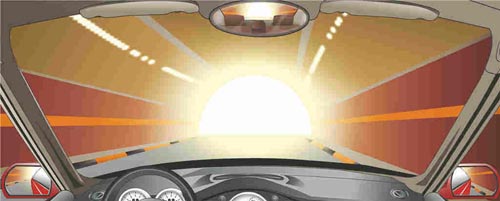
A. Right
B. Wrong
Answer: A
3. When a motor vehicle equipped with ABS makes an emergency brake, the driver can tread the brake pedal heavily.
A. Right
B. Wrong
Answer: A
4. The sign on the left indicates vehicles are allowed to drive on the section ahead.
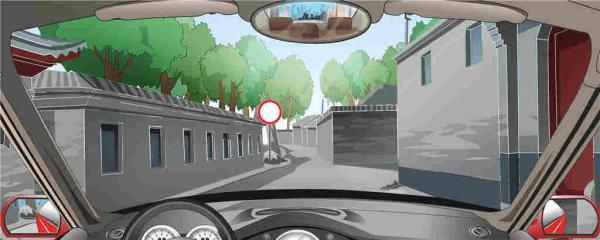
A. Right
B. Wrong
Answer: B
5. When encountering this situation in a residential area, the driver should follow them closely.
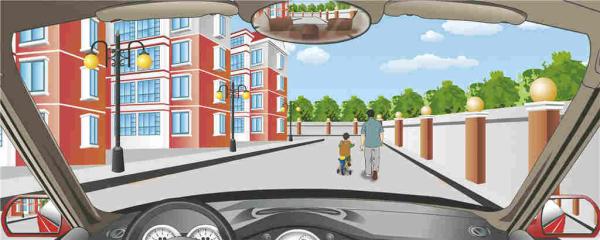
A. Right
B. Wrong
Answer: B
6. At this intersection, motor vehicle drivers may directly make a U-turn along the U-turn turning lane.
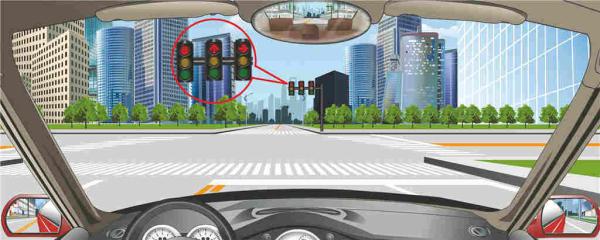
A. Right
B. Wrong
Answer: B
7. A driver should accelerate in advance to overtake then it is likely to meet with oncoming vehicles.
A. Right
B. Wrong
Answer: B
8. The sign on the right indicates right-hand turn only.
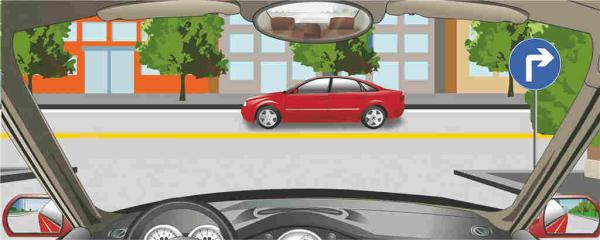
A. Right
B. Wrong
Answer: A
9. Motor vehicle drivers don?ˉt need to use any lamp at night when passing through a road section where the street light condition is good.
A. Right
B. Wrong
Answer: B
10. When there is bleeding at the bone fracture of a wounded person, the first thing to do is to keep it in position before stopping the bleeding and dress the wound.
A. Right
B. Wrong
Answer: B
11. When driving in rain and encountering pedestrians with umbrellas or wearing raincoats, what should be done by motor vehicle drivers in order to yield?
A. Drive at a normal speed
B. Sound the horn to alert when approaching the pedestrians
C. Speed up and bypass on the left
D. Reduce speed and sound the horn in advance
Answer: D
12. Drivers are allowed to cross the broken and solid white line on the road when changing lanes or pulling over.
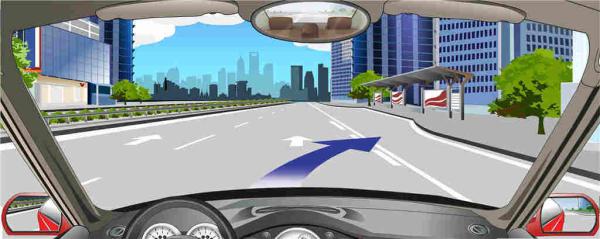
A. Right
B. Wrong
Answer: A
13. When a motor vehicle breaks down and has to be stopped on the highway, what should the driver do?
A. Set up a breakdown warning sign 150 meters behind the vehicle
B. Set up a breakdown warning sign 100 meters behind the vehicle
C. If it happens at night, turn on the clearance lamp and rear position lamp
D. Turn on the hazard lamps
Answer: ACD
14. The sign on the right warns of an unguarded railway crossing 150 meters ahead.
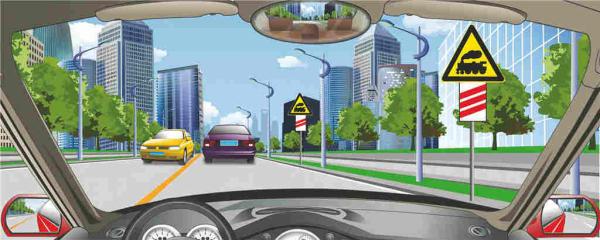
A. Right
B. Wrong
Answer: A
15. The sign on the right indicates that the speed limit of 40km/hour is lifted on the road ahead.
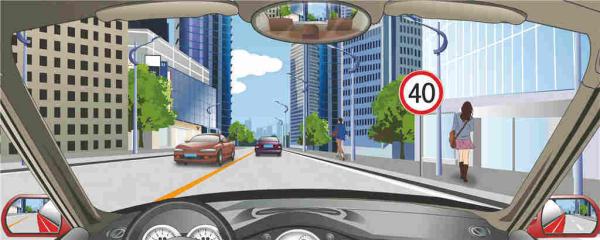
A. Right
B. Wrong
Answer: B
16. When the vehicle engine catches fire, what should the driver do first?
A. Turn off the engine as soon as possible
B. Extinguish the fire with water
C. Open the hood to extinguish the fire
D. Extinguish the fire from the leeward direction
Answer: A
17. The sign in front indicates a one-kilometer distance from the highway entry.

A. Right
B. Wrong
Answer: A
18. When driving on a road covered with ice and snow drivers should not use the emergency brake but can apply a sharp turn.
A. Right
B. Wrong
Answer: B
19. The slanted filled-in yellow marking in the middle of the road warns that there is a stationary obstacle ahead.
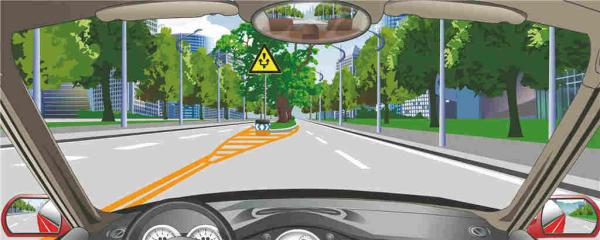
A. Right
B. Wrong
Answer: A
20. After a tire bursts and before the driver can control the speed of the vehicle, he should not risk using the foot brake to stop the vehicle. Otherwise, a horizontal swing of the vehicle can cause greater danger.
A. Right
B. Wrong
Answer: A