

1. One day, Mr. Yang drove a large bus with 57 passengers (bus capacity 55 people) from 7 pm to 1 am the following morning. At the spot of 3008 kilometers mark by 110 meters on the No. 050 National Road in Jin Chengjiang District, the bus had a malignant traffic accident caused by front left tire burst, killing 12 people and injuring 22. What is the main illegal act committed by Mr. Yang?
A. Fatigued driving
B. Carrying more passengers than permitted
C. Speeding
D. Misoperation
Answer: AB
2. The sign in front indicates a 4-kilometer distance from the next exit.
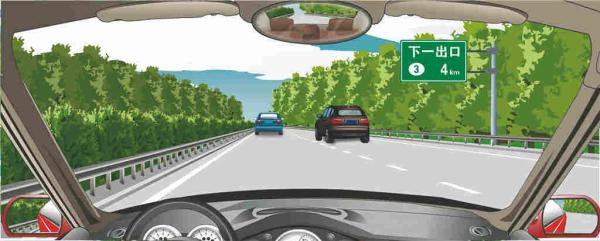
A. Right
B. Wrong
Answer: A
3. The sign in front indicates a one-kilometer distance from the highway entry.

A. Right
B. Wrong
Answer: A
4. Drivers may turn right at the intersection when traffic police give these hand signals.
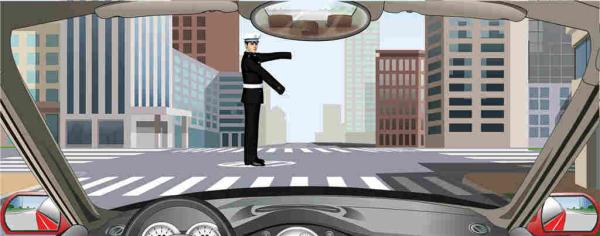
A. Right
B. Wrong
Answer: A
5. It is correct for the driver to drive on an expressway in the way shown in the flash.
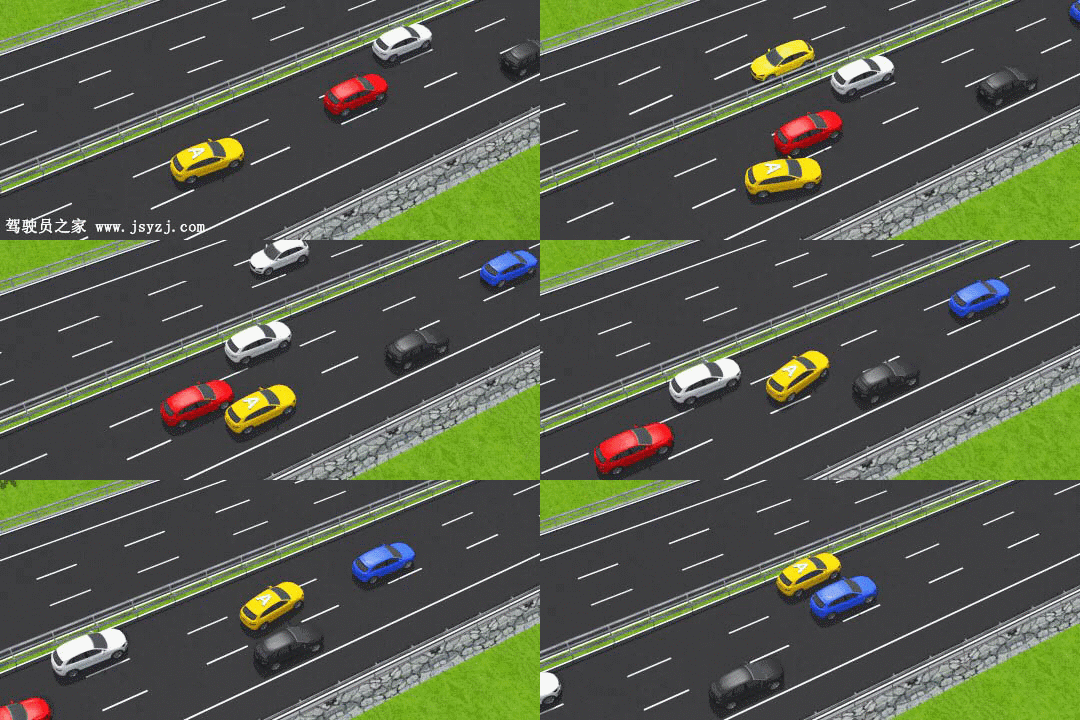
A. Right
B. Wrong
Answer: B
6. When encountering a school bus which stops at the right roadside and students are embarking or disembarking, and there are two motor vehicle lanes in each direction, motor vehicle drivers on the left lane behind the bus should stop and wait.
A. Right
B. Wrong
Answer: A
7. The motor vehicle may promptly overtake the vehicle in front from the left side in this situation.
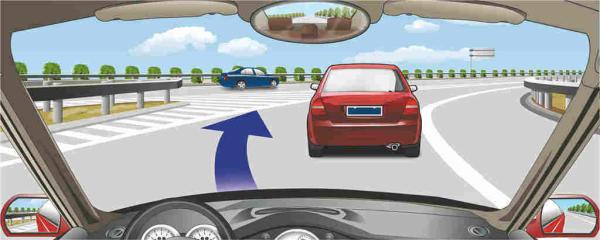
A. Right
B. Wrong
Answer: B
8. The sign on the right warns of no passing due to collapse on the road ahead.
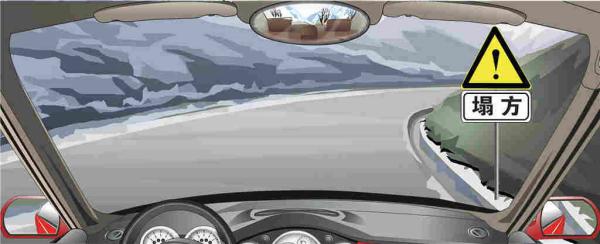
A. Right
B. Wrong
Answer: B
9. Which of the following is a bad habit when changing lanes?
A. Turning on the indicator in advance
B. Observing closely before changing a lane
C. Change lanes at will
D. Not obstructing the passing of other normally moving vehicles
Answer: C
10. Under such circumstances, what should be done by motor vehicle drivers in order to maintain safe driving?
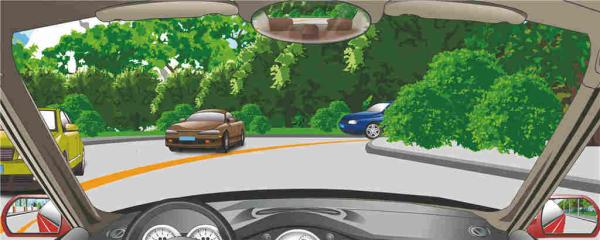
A. Sound the horn or turn on the headlamps
B. Reduce speed or drive on the right side
C. Keep to the central line as best as possible
D. Drive on the left side of the road
Answer: B
11. The guide arrow on the road surface of this lane indicates that only U-turns are permitted at the intersection ahead.
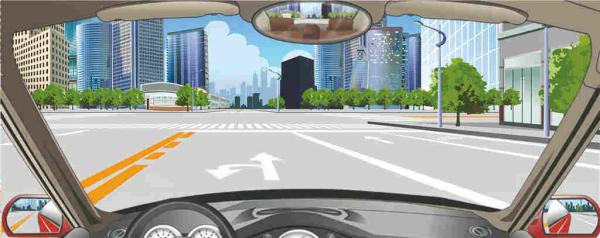
A. Right
B. Wrong
Answer: B
12. The sign on the right indicates a section for ascertaining the distance between the vehicles 200 meters ahead.
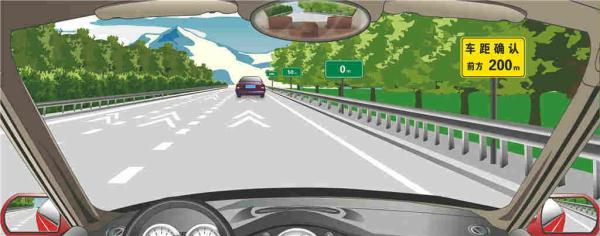
A. Right
B. Wrong
Answer: A
13. When the electric equipment and gasoline of a motor vehicle catches fire, the driver may extinguish the fire with water.
A. Right
B. Wrong
Answer: B
14. The sign in front indicates an open-air parking lot with rest area is 200 meters ahead.
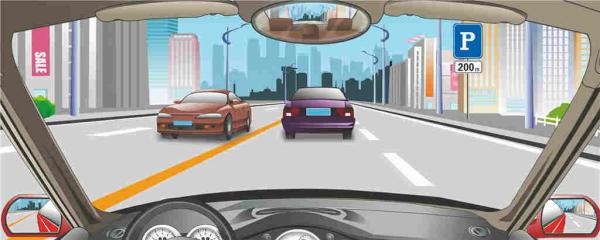
A. Right
B. Wrong
Answer: A
15. Mr. Yang drove an adapted minibus (capacity 9 people and carrying 64 passengers, including 62 kindergarten pupils). When driving in Ma Caogou Village of Yu Linzi County, the bus used the lane for oncoming traffic and had a head-on colision with a heavy dump truck. As a result of this accident, 22 people were killed and 44 injured. What are the main illegal acts in this case?
A. The truck exceeded the speed limit
B. Illegal adaptation of a motor vehicle
C. The minibus carried more passengers than capacity
D. Driving in the opposite direction lane
Answer: BCD
16. The cross-hatched marking indicates an area where vehicle drivers are not allowed to stop.
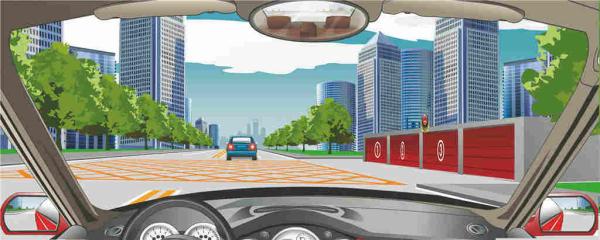
A. Right
B. Wrong
Answer: A
17. Which one of the following statements is correct in this situation?
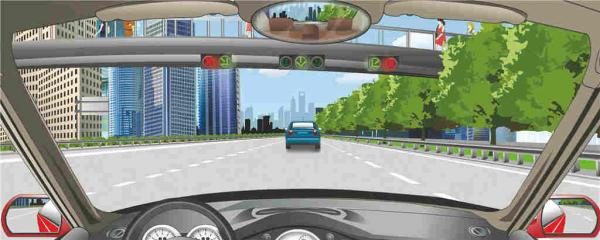
A. Vehicles are prohibited from passing in the lanes on either side
B. Move into the lane on either side at a reduced speed
C. Move into the lane on the right side
D. Move into the lane on either side at an increased speed
Answer: A
18. The sign on the right warns of a dangerous mountainside road ahead.
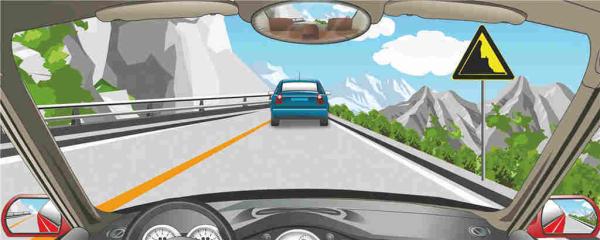
A. Right
B. Wrong
Answer: A
19. The sign on the right warns drivers to yield for oncoming motor vehicles.
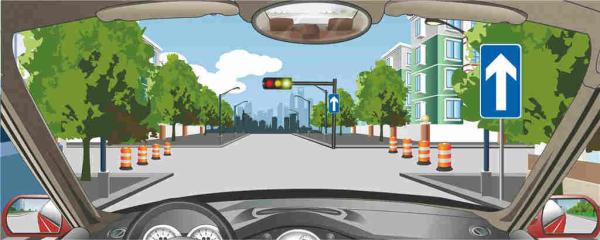
A. Right
B. Wrong
Answer: B
20. Under such circumstances, what should the motor vehicle driver do?
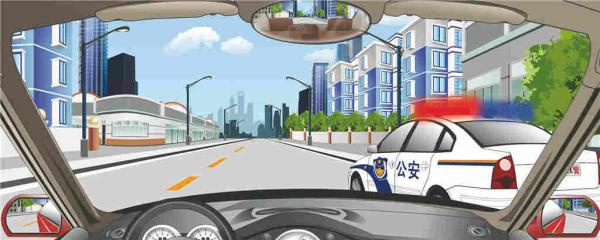
A. Reduce speed and yield by the left side
B. Reduce speed and yield by the right side
C. Speed up and yield by the left side
D. Go ahead along the original route
Answer: A