

1. What is the meaning of the sign on the right?

A. Parking prohibited
B. Temporary parking permitted
C. Picking up or dropping off passengers permitted
D. Stopping to unload permitted
Answer: A
2. When there is a sudden braking failure on a downhill road, what should be done by the driver?
A. Driving to an emergency lane and reducing speed to stop
B. Dropping the gear by two positions
C. Changing to the reverse gear to force the vehicle to stop
D. Reducing speed by pulling up the handbrake
Answer: A
3. After a motor vehicle enters the ramp from an expressway, it should reduce its speed below the prescribed speed limit.
A. Right
B. Wrong
Answer: A
4. The diamond-shaped broken line warns that drivers should drive at a lower speed on the road sections ahead.
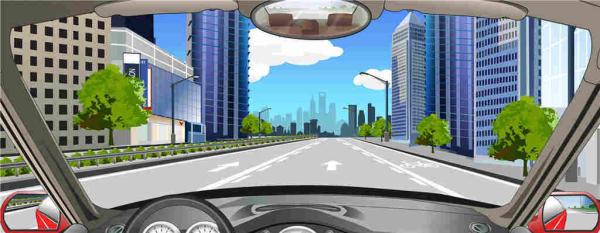
A. Right
B. Wrong
Answer: A
5. The sign on the right side indicates no entry for all vehicles.
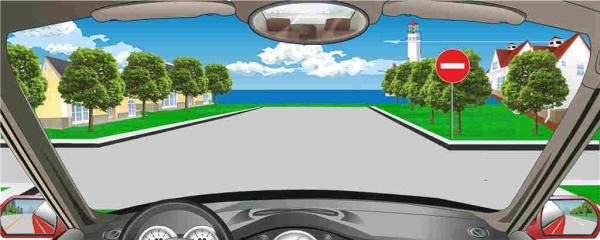
A. Right
B. Wrong
Answer: A
6. Mr. Ye drove a midsize van to Shangwen Road of Beitou Town. When passing a curve at the spot of 3 kilometers mark by 600 meters on the road, the van had a head-on collision at the speed of 40 kilometers per hour with Mr. Wang?ˉs three-wheeled freight motorcycle carrying 19 passengers, killing 10 people and injuring 9. What are the main illegal acts committed by the two drivers?
A. Mr. Ye drove an unpermitted vehicle type
B. Mr. Wang drove a freight motorcycle to carry passengers
C. Mr. Ye exceeded the speed limit
D. Mr. Wang failed to follow the guidance of the traffic signal lights
Answer: BC
7. When the motor vehicle stops on an uphill section, how should the driver use the foot brake?
A. Earlier than on a level road
B. Later than on a level road
C. As timely as on a level road
D. Strongly depress the foot brake pedal
Answer: B
8. When a wounded person is beneath the wheel or cargo, we should help him out immediately by pulling the limbs of the wounded.
A. Right
B. Wrong
Answer: B
9. When driving on a muddy road, what should drivers do to pass at an even speed without stopping?
A. Use the handbrake
B. Press the clutch pedal
C. Press the brake pedal
D. Use the accelerator pedal
Answer: D
10. The sign on the right warns of right-hand S-shaped bend ahead.
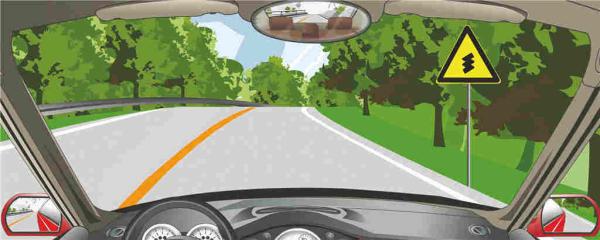
A. Right
B. Wrong
Answer: B
11. Before setting off, it is necessary to check the driving cabin, engine cabin, external and tires of the motor vehicle.
A. Right
B. Wrong
Answer: A
12. The driver may not change lanes when the motor vehicle turns right at this intersection.
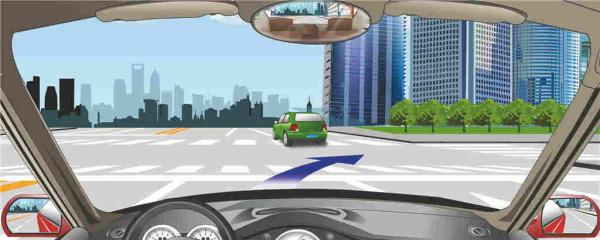
A. Right
B. Wrong
Answer: B
13. The sign indicates no overtaking on the section ahead.
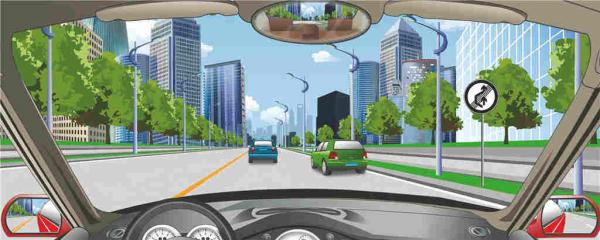
A. Right
B. Wrong
Answer: B
14. What should the driver do when the motor vehicle passes the level crossing?
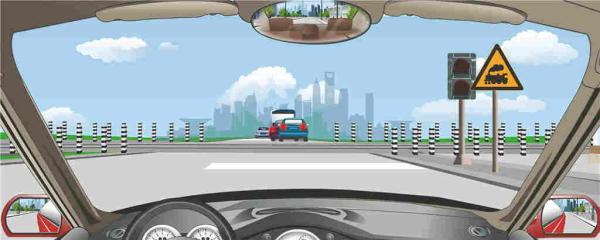
A. Change to neutral gear and slide over
B. Stop, look and pass
C. Speed up, look and pass rapidly
D. Slow down, look and pass slowly
Answer: B
15. Mr. Zhao (with an A2 driving license) drove a large sleeper coach on the No. 219 National Road in Yecheng County. When passing a curve at the spot of 226 kilometers mark by 215 meters on the road, the coach fell into the ravine on one side, killing16 people and injuring 26. What is the main illegal act committed by Mr. Zhao?
A. Carrying more passengers than permitted
B. Driving a motor vehicle having failed to accept inspection in time
C. Driving an unpermitted vehicle type
D. Fatigued driving
Answer: C
16. Mr. He drove his large bus with 53 passengers (permitted carrying capacity 47) to 454 km mark by 100m along the Yining-hefei Expressway in Nanjing jurisdiction, where he was tailgated by a heavy-type semitrailer tractor. The bus left the road, breaking through the guardrail and catching fire. 17 people were killed and 27 injured. Which of the following law-breaking acts did Mr. He commit?
A. Speeding
B. Exceeding the carrying capacity of the motor bus
C. Driving a motor vehicle overdue for annual inspection
D. Improper operation
Answer: B
17. If a motor vehicle is unable to drive in heavy fog on an expressway due to an accident, what should the driver do?
A. The driver and all passengers should promptly get off the motor vehicle from the left side door
B. Set up a warning sign 100 meters behind the vehicle in the oncoming direction
C. Turn on the hazard lamp and the high-beam
D. Stand in a safe place outside the guardrail
Answer: D
18. For a temporary stop on a foggy day, the driver should only turn on the fog lamp and the low-beam
A. Right
B. Wrong
Answer: B
19. Under this circumstance, motor vehicle drivers should give the right of way to oncoming vehicle.

A. Right
B. Wrong
Answer: A
20. The sign in front is an advance announcement of famous places and distances en route.
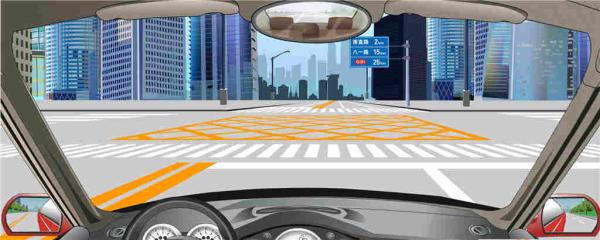
A. Right
B. Wrong
Answer: A